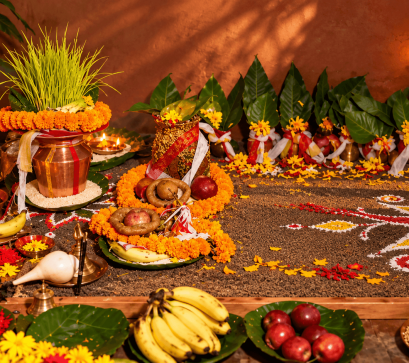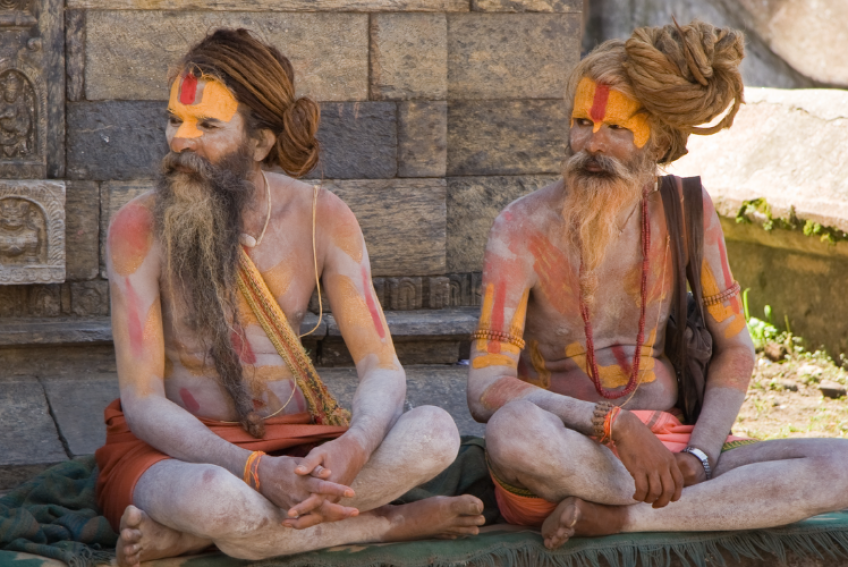
Every year, during the auspicious festival of Maha Shivaratri, thousands of sadhus (holy men) from across Nepal and India embark on a spiritual journey to Pashupatinath Temple in Kathmandu. Their pilgrimage is a profound expression of devotion to Lord Shiva, drawing global attention to Nepal’s vibrant spiritual culture.
These ascetics, often recognized by their ash-smeared bodies, matted hair, and saffron robes, represent various sects of Shaivism. Some sadhus practice extreme forms of meditation and renunciation, while others engage in rituals and storytelling, sharing spiritual wisdom with devotees. Their presence at Pashupatinath symbolizes detachment from worldly life and complete devotion to Lord Shiva.
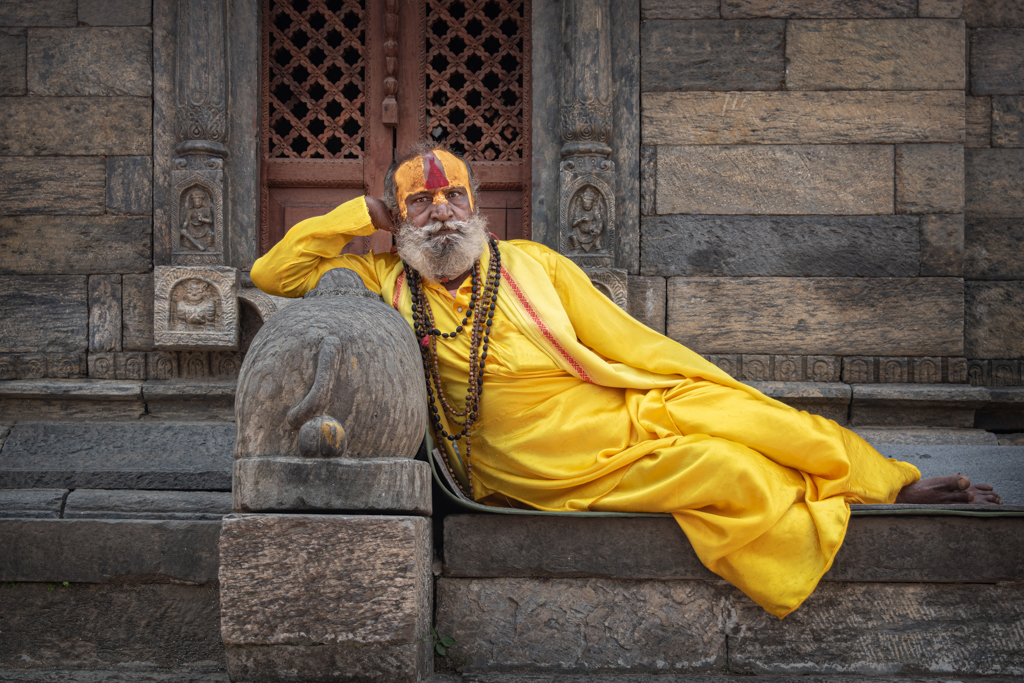
The pilgrimage to Pashupatinath is not just a physical journey but a spiritual quest. Many sadhus walk for days, braving harsh conditions to reach the temple. Upon arrival, they participate in night-long vigils, chanting hymns, performing fire rituals, and meditating. For them, Shivaratri is the ultimate occasion to seek spiritual growth and blessings from Lord Shiva.
One of the most intriguing aspects of their presence is the diversity of practices. Some sadhus perform breathtaking feats of endurance, while others offer guidance to pilgrims. Despite their differing methods, all share a common goal—spiritual liberation and union with the divine.
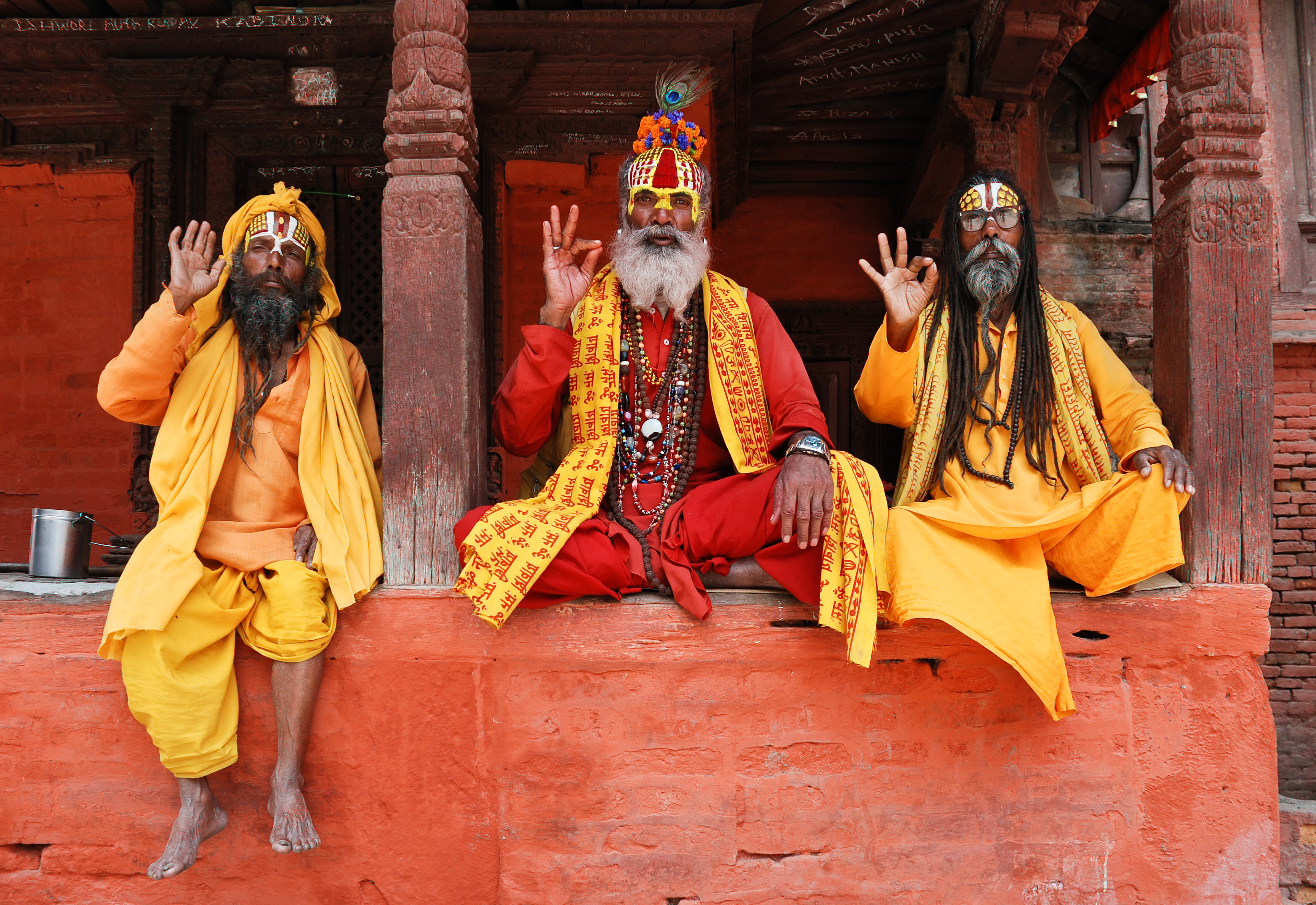
For visitors, witnessing the gathering of sadhus is a profound experience. Their colorful attire, spiritual practices, and the aura of devotion they bring transform Pashupatinath into a living canvas of culture and faith. Photographers, travelers, and devotees alike are drawn to their enigmatic presence, seeking stories and blessings.
The pilgrimage of sadhus to Pashupatinath during Shivaratri highlights their deep spiritual commitment and cultural significance, reminding everyone of the timeless bond between devotees and the divine.
Picture Credit- Wikipedia, Wikimedia Commons
Also Read