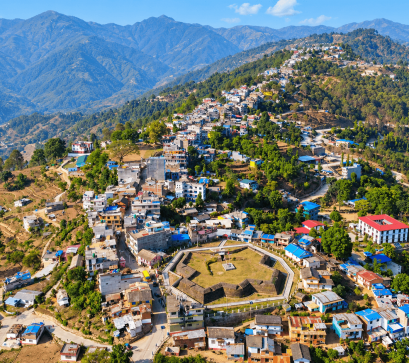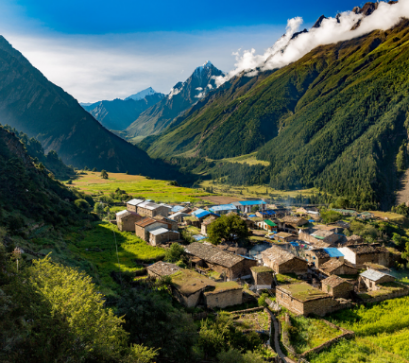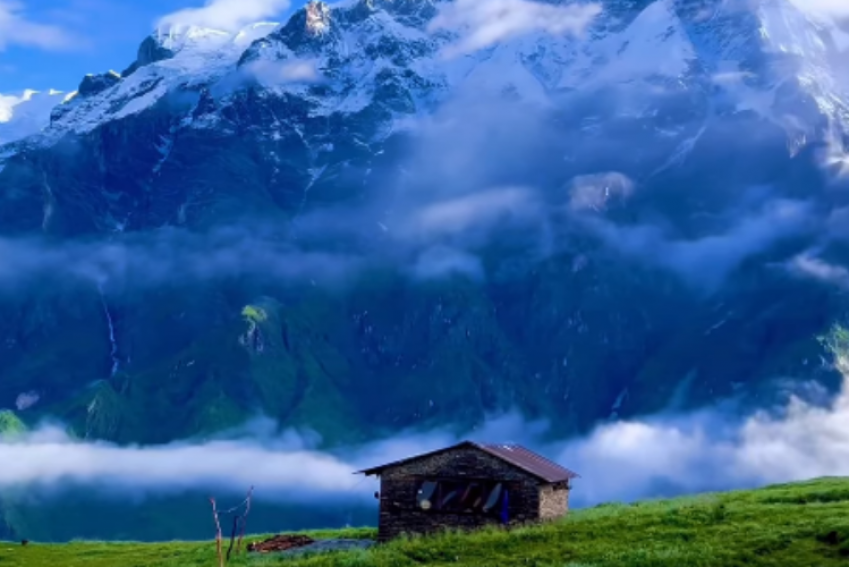
Tucked within the northern reaches of Kaski, above the traditional Gurung village of Sikles, Kori Danda is gradually gaining recognition as one of Nepal’s most compelling offbeat trekking destinations. Set within the protected landscapes of the Annapurna Conservation Area, this highland ridge offers a quieter alternative to the region’s more frequented trails.
Rising to approximately 3,600-3,800 metres, depending on the ridge point referenced, Kori presents expansive Himalayan panoramas paired with a sense of stillness increasingly rare in Nepal’s popular trekking corridors.
Unlike the heavily trafficked routes to Annapurna Base Camp or Poon Hill, Kori remains relatively uncrowded; its appeal rooted in authenticity rather than accessibility.
Where is Kori? Understanding the Landscape
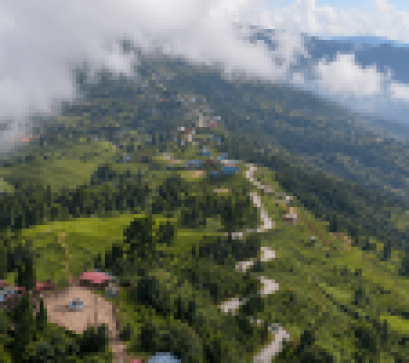
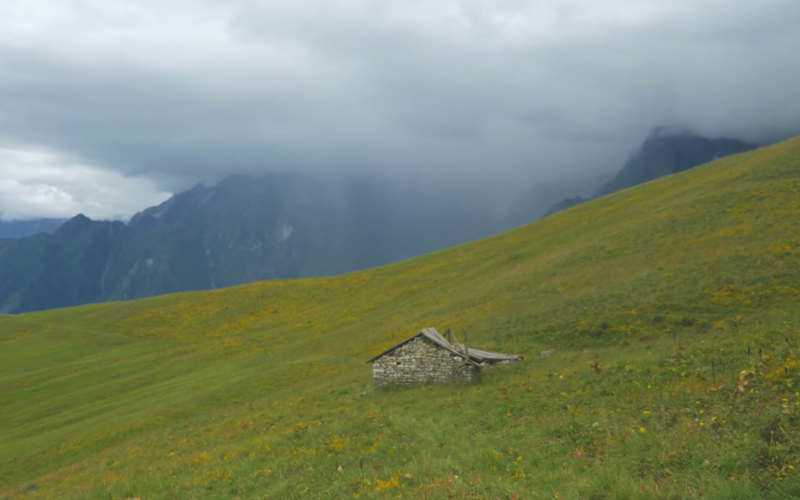
Located in Madi Rural Municipality, north of Pokhara, Kori Danda sits within a transitional landscape that shifts from terraced hills and dense forests to alpine pastures and open ridgelines.
The journey typically begins with a drive from Pokhara to Sikles, followed by a multi-day trek through rhododendron forests, seasonal grazing lands, and remote settlements. As the trail ascends, the terrain opens into sweeping high-altitude viewpoints characteristic of the Annapurna region.
The Kori Experience: What Sets It Apart
1. Panoramic Himalayan Vistas
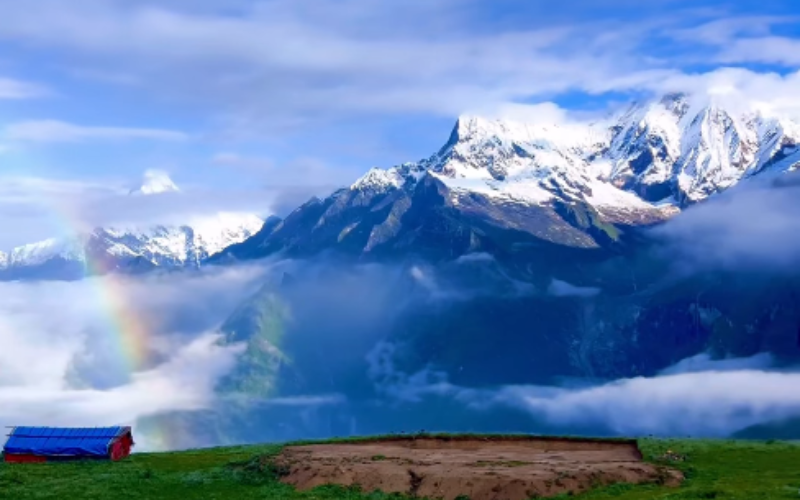
From Kori’s ridgeline, travellers are rewarded with commanding views of Annapurna II, Machhapuchhre, and Lamjung Himal.
On exceptionally clear days, distant sightlines may extend towards the Manaslu region, though such views remain weather-dependent. What distinguishes Kori is not merely the scale of the panorama, but the solitude with which it is experienced.
2. A Journey Through Living Gurung Culture
The cultural dimension of the Kori trek is as significant as its scenery. Villages such as Sikles and Tangting offer insight into Gurung heritage—marked by stone-built homes, terraced farming, and a rhythm of life shaped by both landscape and tradition.
Homestay-based accommodation provides opportunities for direct engagement with local communities, preserving a level of authenticity that is increasingly diluted on more commercial trekking routes.
3. Kapuche Lake: A Glacier-Fed Alpine Surprise
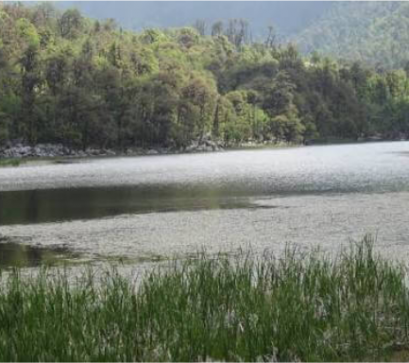
A notable extension of the trek leads to Kapuche Lake, a glacier-fed lake situated at approximately 2,546 metres. Often cited as one of the lowest-altitude glacier-fed lakes in Nepal, it presents a striking contrast: turquoise waters framed by steep, rugged cliffs.
While relatively lesser known, Kapuche adds both visual diversity and exploratory depth to the Kori experience.
4. An Offbeat Alternative in a Popular Region
Within one of Nepal’s most visited trekking regions, Kori stands out precisely because it remains understated. The trails see significantly fewer trekkers than mainstream Annapurna routes, making it particularly appealing for those seeking a quieter, more immersive journey.
The Trekking Route: A Practical Overview
A standard itinerary typically follows:
The trek generally spans 5-7 days and is considered moderate in difficulty, suitable for trekkers with reasonable fitness and some prior hiking experience.
Travel Tips for Kori
Also Read