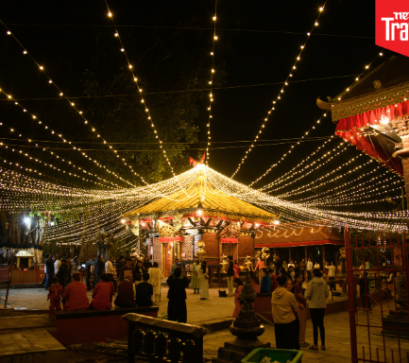
Every year, as Haritalika Teej arrives, Kathmandu Valley turns into a sea of red and green. Fasting women dressed in vibrant saris stream toward the valley's most sacred Shiva shrines to pray for marital bliss, sing traditional songs, and dance late into the night. If you want to witness the festival at its most vivid, here are the temples that come alive during Teej.
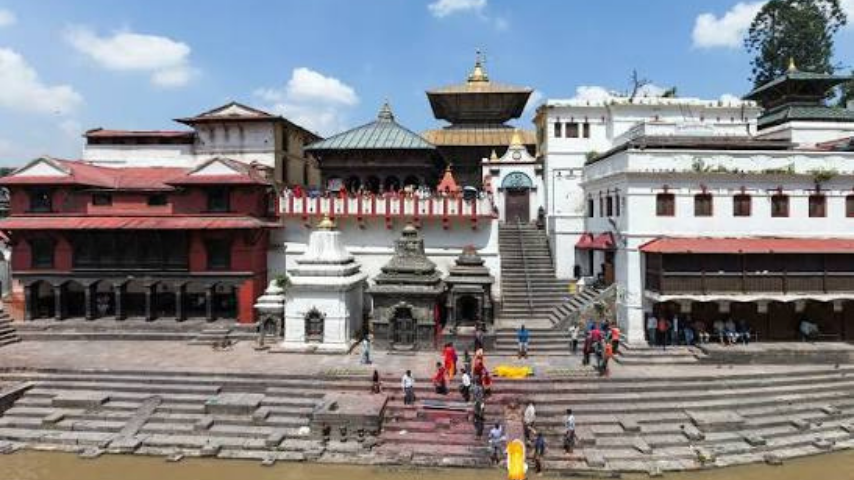
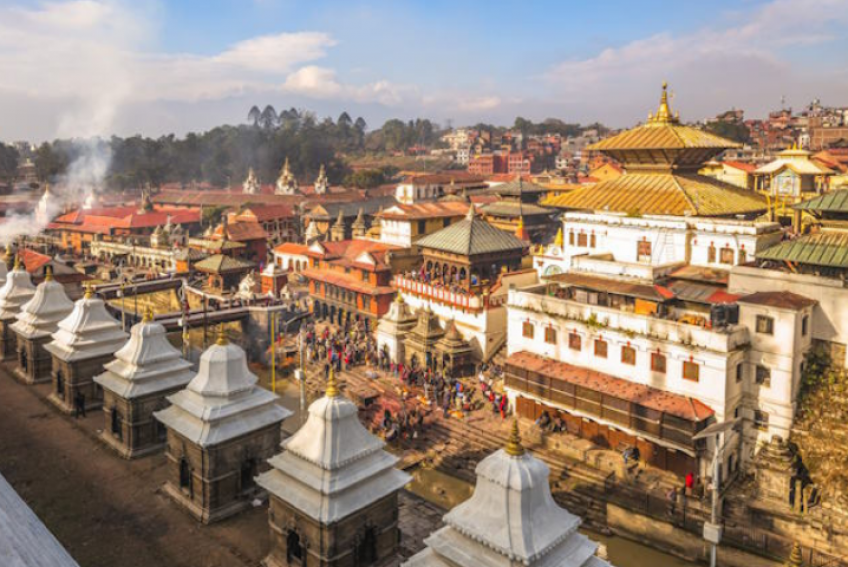
Pashupatinath is where Teej truly peaks. This UNESCO World Heritage Site on the banks of the Bagmati River is Nepal's most sacred Shiva shrine, believed to be over two thousand years old and home to hundreds of smaller shrines within its complex.
On Teej morning, all four temple gates open as early as 3:00 AM, and by 6:00 AM dedicated queues form exclusively for women. Expect massive crowds, health camps, tight security, and the sound of devotional singing echoing along the riverbank well into the evening.
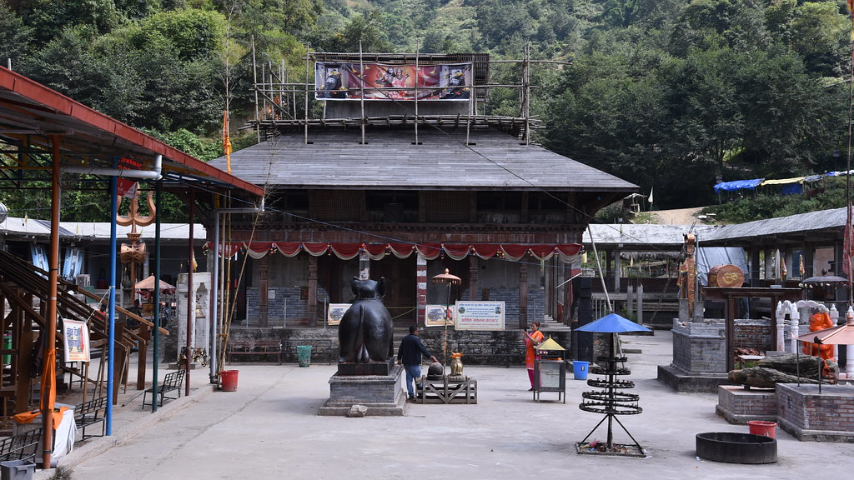
A short drive from Kathmandu in Bhaktapur, Doleshwar Mahadev is revered as the missing head of India's Kedarnath shrine, linked by legend to the Pandavas' search for Shiva's blessing. Many pilgrims believe a journey to Kedarnath isn't complete without stopping here too. During Teej, its green hillside setting fills with fasting devotees, offering a calmer, more scenic alternative to the crowds of Pashupatinath.
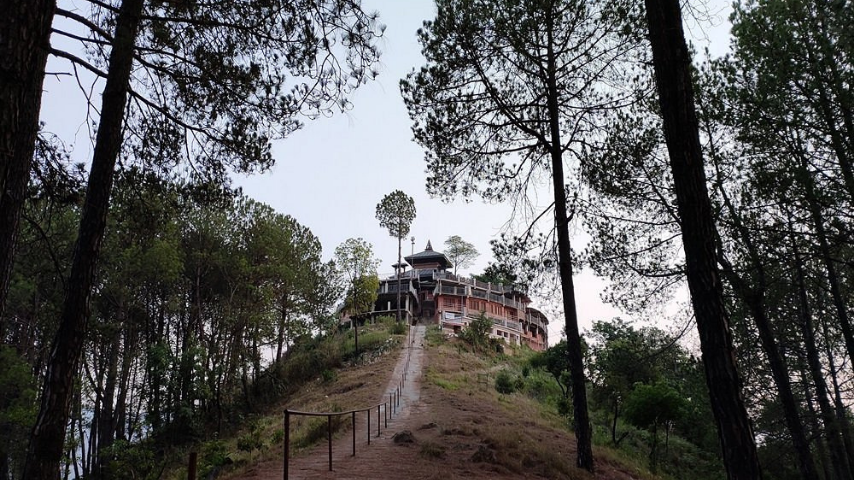
Situated into the hills of Jharuwarasi in Lalitpur Santeshwar Mahadev Temple, this shrine is closely tied to fertility and family blessings, said to mark the spot where part of the goddess Sati's body fell. On Teej, women flock here to pray for children and family well-being, taking in panoramic valley views along the way. Its quiet, natural surroundings make it a favorite for those seeking a more reflective pilgrimage experience.

On the northern edge of the valley, where the Bagmati meets two other rivers, Gokarneshwar stands out for its classic pagoda architecture and riverside setting. Legend connects the site to Shiva wandering the forest as a deer, and while it's best known for the ancestor-honoring festival of Gokarna Aunsi, it also draws lively community celebrations during Teej.
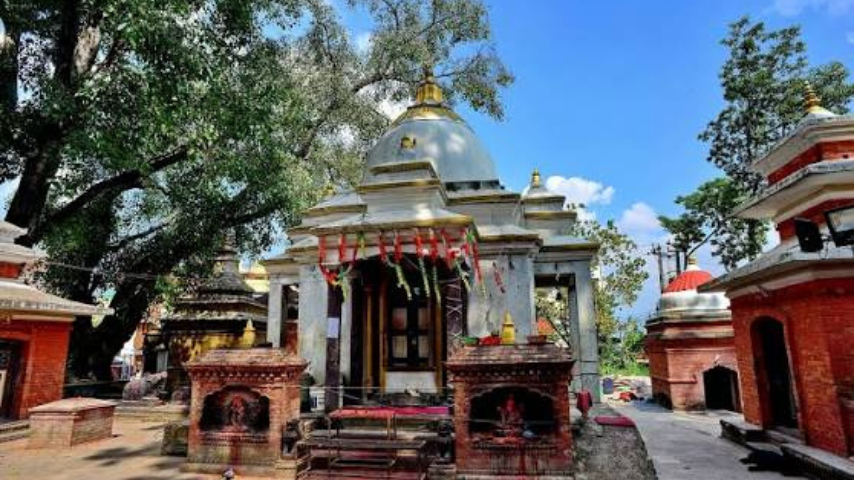
Closer to the city center, Koteshwor Mahadevsthan is one of Kathmandu's oldest Shiva shrines and a favorite for local worshippers who want an easily accessible Teej experience. Its daily bhajans and strong neighborhood turnout make it a smaller but no less spirited stop during the festival.
If you're headed out to celebrate or simply observe Teej, start early, Pashupatinath's queues fill up fast after sunrise. Dress modestly, expect crowds at the major sites, and consider pairing a visit to Pashupatinath with a quieter stop like Santaneshwar or Doleshwar for a fuller sense of how the festival is celebrated across the valley.