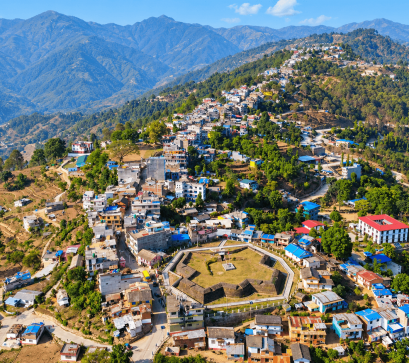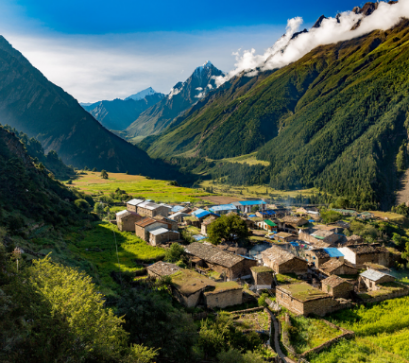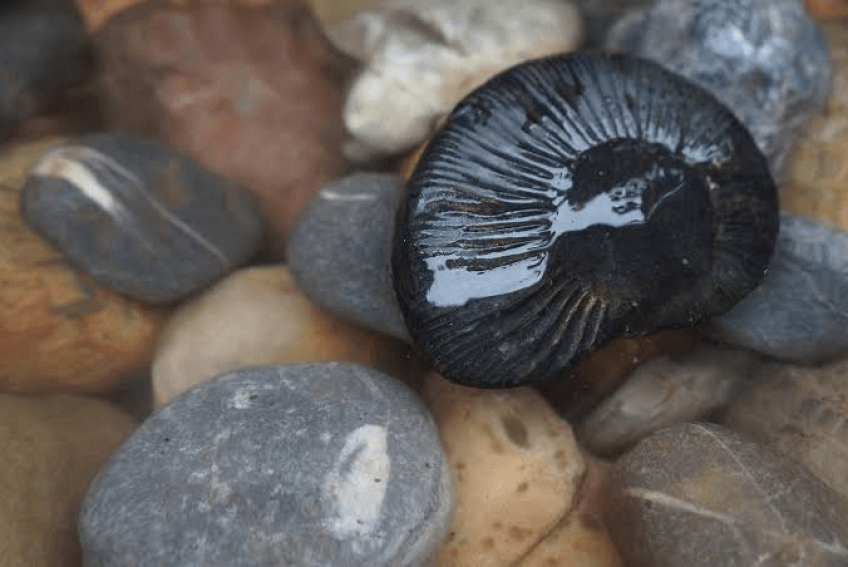
A shaligram is a fossilised ammonite from the prehistoric Tethys Sea, collected from the riverbed or banks of the Kali Gandaki in Nepal. The river flows through sacred places including Muktinath and Damodar Kunda. Hindus regard the stones as a form of Vishnu.
The ammonites date back roughly 140 to 175 million years. Tectonic plate collision later pushed them high into the Himalayas. Genuine stones show natural spiral patterns, which Hindu tradition links to the Sudarshan Chakra.
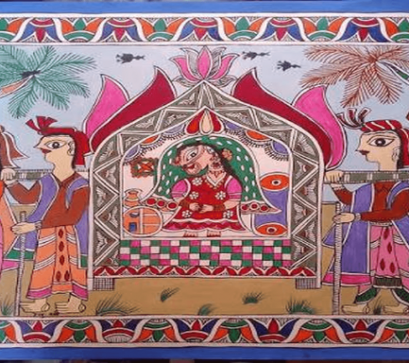
Religious accounts offer a different origin. According to the Devi Bhagavata Purana, Brahmavaivarta Purana and Shiva Purana, Tulasi cursed Vishnu to become a stone after he deceived her. Hindu tradition holds that he took the form of a mountain on the Gandaki's banks, where worms called vajrakita carved the markings.
Adi Shankara's commentaries suggest shaligram worship was already well known. The Puranas state that worship through a shaligram yields greater merit than worship through an idol, and it can continue as long as the chakra inside is unbroken.
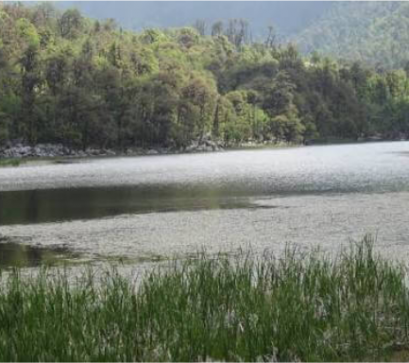
The main stretch for finding natural shaligrams runs between Damodar Kund and Kagbeni in Mustang District. Searchers walk slowly up-river through shallow, slow-moving or receding side-streams, where clear water allows close inspection. They look for smooth, inky-black stones with spiral ridges, concentric circles or ripple patterns.
Water refraction and trapped silt can make ordinary rocks look fossilised. For pilgrims, the search is an act of darshan, as the stones are considered self-manifested and untouched by human hands.
Authenticity is a concern, as many fake shaligrams remain in circulation. A viral claim that a 31-ton shaligram was newly found or washed down by floods is also false. The object is a 22-foot man-made sculpture in Jomsom, commissioned by local authorities to promote religious tourism.
Nepal News reports that unlawful extraction continues in the river, including in daylight with heavy equipment, and that it has caused the river to change course. It warns that shaligrams, found only in this river, are close to disappearing.
The Gandaki province government's work procedure-2075 bans dozers, excavators and loaders in national forests, reserve areas and sensitive zones. Local residents say police and administrators have taken little action against offenders.