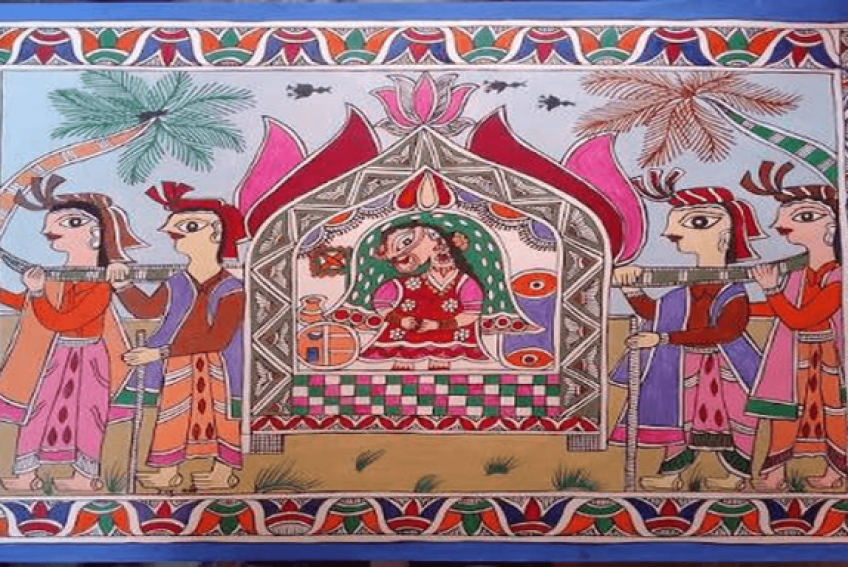
In the heart of Nepal’s southern plains, where narrow village lanes wind between traditional mud houses, art is not confined to museums or galleries. It lives on the walls, courtyards and doorways of ordinary homes. Welcome to Mithila, a culturally rich region surrounding Janakpur, where every painted wall tells a story of faith, love, nature and everyday life.
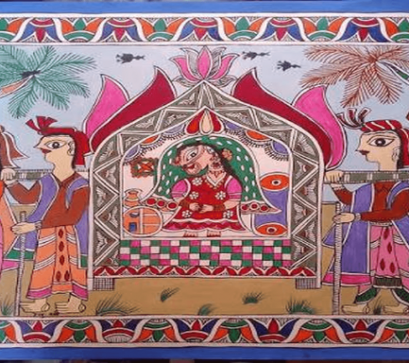
Known as Mithila or Madhubani painting, this centuries-old artistic tradition is one of Nepal’s most distinctive cultural treasures. Passed down through generations of Maithil women, these colourful murals transform simple village homes into beautiful expressions of identity and heritage.
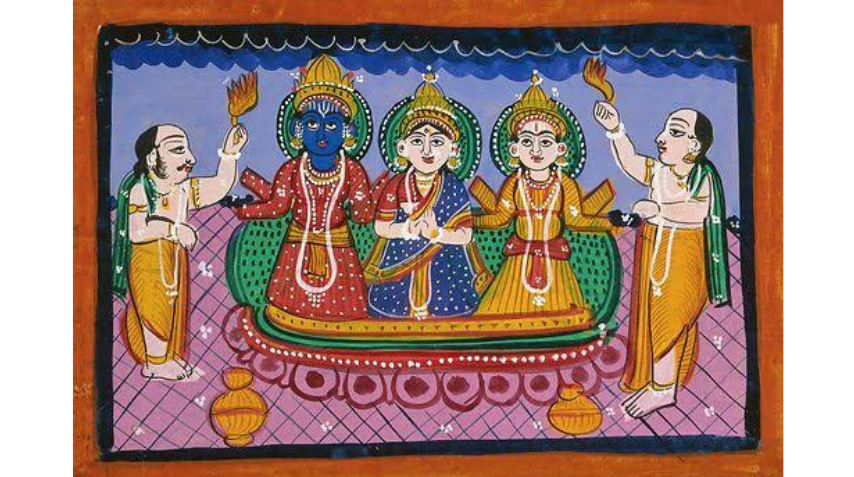
The origins of Mithila painting are closely connected to the ancient kingdom of Mithila and the legendary marriage of Goddess Sita and Lord Rama. According to local tradition, King Janak commissioned elaborate decorations to celebrate his daughter’s wedding, establishing an artistic legacy that continues today.
For generations, women have decorated their homes during weddings, childbirth and religious festivals such as Chhath and Diwali. Using natural colours made from turmeric, flowers, leaves, soot and minerals, they create intricate designs with bamboo sticks, twigs and handmade brushes.
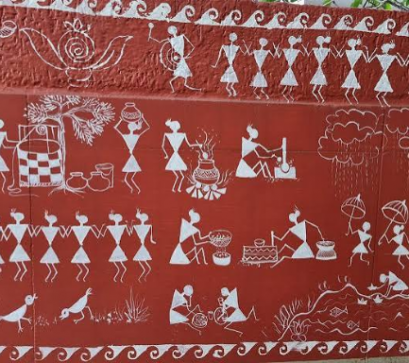
What makes these paintings remarkable is their storytelling. Fish represent prosperity and fertility, peacocks symbolise love, lotus flowers reflect purity, while the sun and moon express the balance of life. Every pattern carries a cultural meaning.
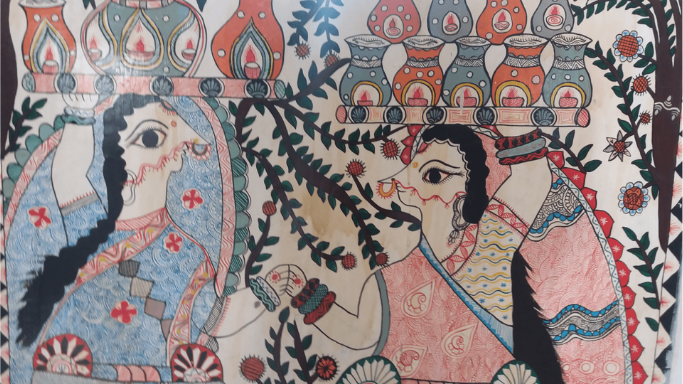
In the villages surrounding Janakpur, traditional Mithila paintings turn everyday surroundings into open-air galleries. Colourful images of gods, animals, flowers and geometric patterns decorate walls, inviting visitors to discover the stories behind them.
Unlike conventional paintings, Mithila art rarely leaves empty spaces. Bold outlines, detailed patterns and vibrant colours create compositions that celebrate the region’s spiritual beliefs and connection with nature.
The Kohbar paintings, traditionally created for newly married couples, are particularly meaningful. Filled with lotus flowers, bamboo and symbolic animals, these murals represent blessings for marriage, prosperity and family life.
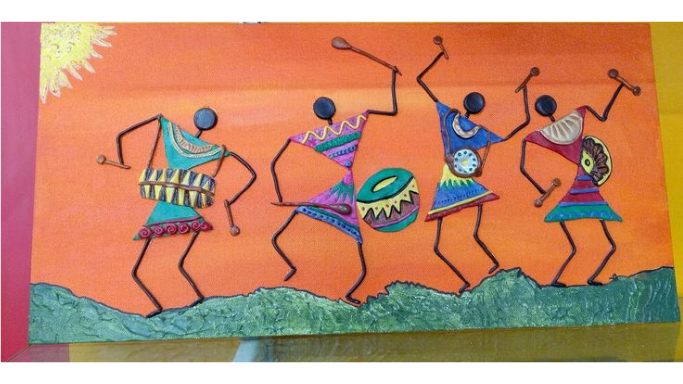
What began as a household tradition has gradually gained international recognition. The establishment of the Janakpur Women’s Development Center in 1989 helped local women transform their artistic skills into sustainable livelihoods.
Today, Mithila paintings appear on handmade paper, textiles, pottery and decorative products, reaching admirers far beyond Nepal. Contemporary artists also use traditional designs to explore environmental protection, women’s empowerment and social change.
Yet the true beauty of Mithila art remains in the villages where it originated.
For travellers, exploring these painted settlements offers more than a visual experience. It provides an opportunity to understand the traditions, creativity and resilience of the women who keep this heritage alive.
In Mithila, walls are more than structures. They are storytellers, preserving memories of the past while painting hope for future generations.