There is a particular quality of silence at 4,700 metres. Not an absence of sound, the wind rarely stops in the upper Khumbu, but an absence of hurry. In Thangnak, time slows to the rhythm of footsteps, steaming tea and thin mountain air.
This small seasonal settlement, tucked between Machhermo and the approach to Cho La Pass, is not a destination in the conventional sense. It is a pause. A practical and necessary break in the long arc of the Everest Three Passes Trek.
Trekkers arrive dusty and breathless after crossing moraine trails from Gokyo or ascending gradually from Machhermo. By evening, dining rooms glow with yak-dung stoves, damp gloves dry near the fire, and conversations revolve around weather forecasts, altitude headaches and the next morning’s climb.
For those preparing to cross Cho La Pass, Thangnak serves a simple but vital purpose: it allows the body and mind to adjust before the trail rises above 5,000 metres.
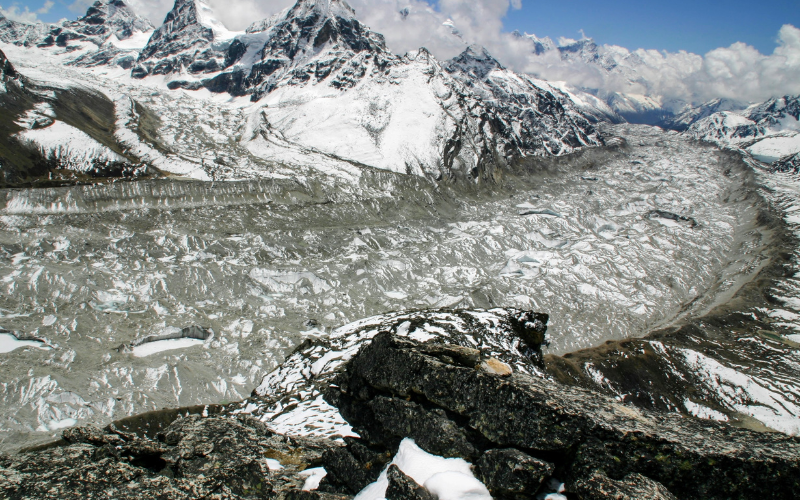
Thangnak lies in the upper Gokyo Valley beside the rugged moraines of the Ngozumpa Glacier, widely regarded as Nepal’s longest glacier. The settlement sits at approximately 4,700 metres and forms an important stop between Gokyo and Dzongla on the Everest Three Passes route.
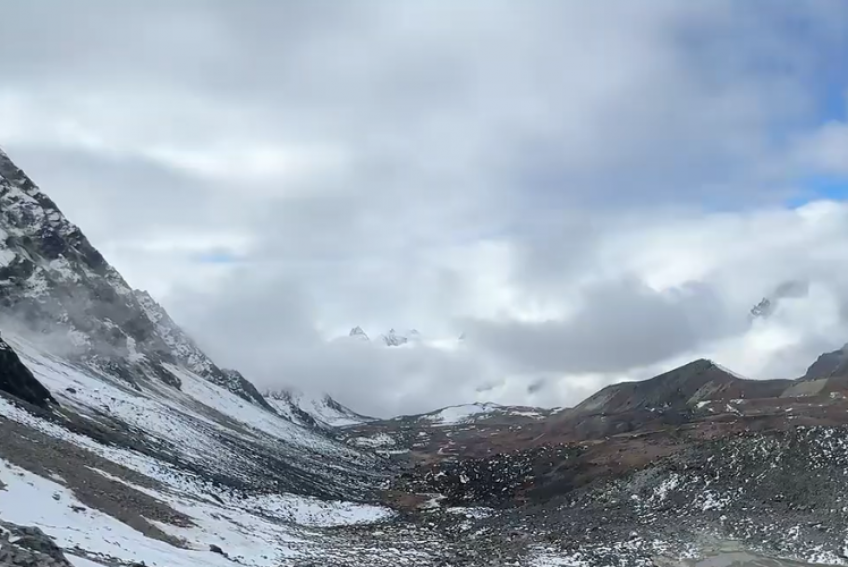
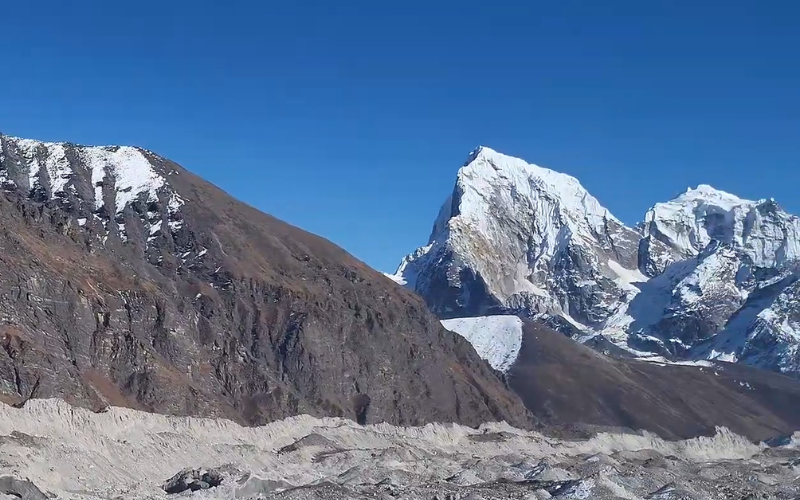
The landscape surrounding Thangnak is stark and unmistakably alpine. Boulder fields, loose scree, prayer flags and glacial debris dominate the terrain, while the sound of shifting ice occasionally echoes through the valley.
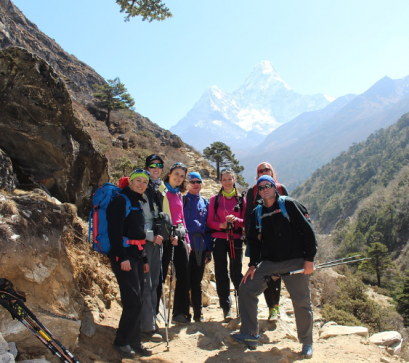
From many points around the settlement, trekkers can look towards towering Himalayan peaks including Cho Oyu, the world’s sixth-highest mountain, along with Taboche and nearby glacier ridgelines.
The route from Machhermo to Thangnak is relatively short by Himalayan standards, helping trekkers acclimatise more gradually before attempting the higher elevations of Cho La Pass.
Compared to nearby Gokyo, Thangnak feels quiet and utilitarian. There are no lakeside cafes or dramatic viewpoints built for photographs. Instead, there is stillness.
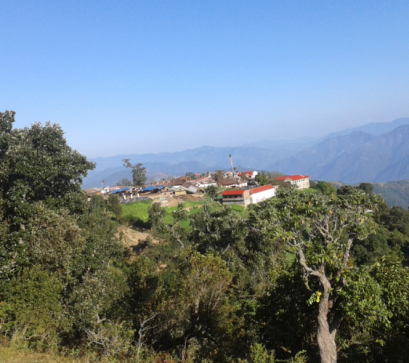
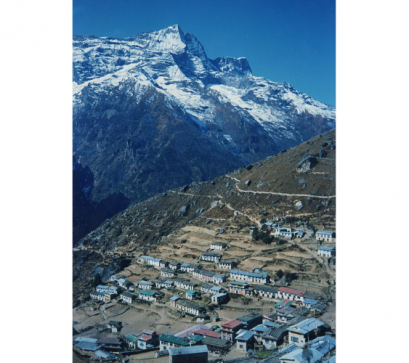
The settlement usually consists of a small cluster of seasonal teahouses built from stone and corrugated roofing, operating primarily during the trekking seasons of spring and autumn. Yak caravans pass through carrying food supplies, fuel and luggage toward higher routes.
Despite its modest appearance, Thangnak occupies an important place in the trekking rhythm of the Khumbu. For many travellers, it becomes the final moment of rest before one of the route’s most demanding crossings.
Spending a night in Thangnak is strongly recommended before crossing Cho La Pass. Although the altitude difference may appear manageable on paper, rapid ascent above 5,000 metres significantly increases the risk of Acute Mountain Sickness (AMS).
Experienced guides often encourage trekkers to remain active after arrival through short acclimatisation walks around the surrounding moraine slopes and glacial ridges.
These short hikes help:
The emphasis here is not speed, but conservation of energy. In the Khumbu, patience is often more valuable than pace.
From the slopes above Thangnak, parts of the Cho La route become visible. The crossing involves rocky terrain, loose moraine, steep inclines and, depending on the season, sections of snow and ice.
Conditions on the pass vary considerably throughout the year. During spring and after snowfall, guides may recommend microspikes or crampons for added safety.
Trekkers typically leave Thangnak before sunrise in order to cross the pass during more stable morning weather conditions. Afternoon cloud, snowfall and stronger winds can make the crossing more difficult later in the day.
Late September to early November generally offers the best balance of visibility and stability.
Facilities in Thangnak are basic due to its remote, seasonal nature. Trekkers can expect simple teahouse lodging (twin beds or dorm-style rooms), shared dining halls heated by yak-dung or wood stoves, and basic meals such as dal bhat, noodles, fried rice and tea.
Electricity is limited and usually solar-powered, often with small charges for charging devices. Wi-Fi, hot showers and bucket bathing facilities may be available but are inconsistent.
There are no ATMs or proper supply shops, so trekkers should carry enough cash and essentials from Namche Bazaar before arriving.
At 4,700 metres, altitude sickness is a real risk. Common AMS symptoms include headache, fatigue, nausea, loss of appetite and disturbed sleep. Severe conditions such as HAPE or HACE require immediate descent and medical attention.
Key precautions include gradual ascent, proper hydration, avoiding alcohol, monitoring symptoms closely and allowing extra acclimatisation time if needed. Comprehensive travel insurance covering high-altitude trekking and helicopter evacuation is strongly recommended for the Everest region.
The rugged slopes around Thangnak support high-altitude Himalayan wildlife, including blue sheep (bharal), Himalayan tahr, and occasional birds of prey gliding above the valley. Guides sometimes report signs of snow leopards in the wider Khumbu region, though sightings are extremely rare.
For photographers, sunrise and sunset cast dramatic light across the glacier moraines and surrounding peaks, especially on clear autumn mornings.
Most trekkers do not remember Thangnak for luxury or spectacle. They remember it for atmosphere.
For the silence between gusts of wind. For frozen boots waiting outside teahouse doors before dawn. For the uneasy excitement of preparing to cross Cho La Pass the following morning.
In many ways, Thangnak represents the true rhythm of high-altitude trekking: slow movement, patience and respect for the mountain environment.
It is not the highlight of the Everest region in the traditional sense. Yet for those walking the Three Passes Trek, it often becomes one of the most memorable pauses along the trail.
Also Read