In a country where Everest and Annapurna dominate trekking narratives, far-west Nepal remains one of the Himalayas’ least explored frontiers. Hidden within the remote landscapes of Darchula District, the trek to Api Base Camp offers something increasingly rare in modern Himalayan travel: silence, isolation, and an encounter with mountain life that remains largely untouched by mass tourism.
Set beneath the imposing presence of Mt. Api (7,132m), the highest mountain in far-west Nepal, the journey traverses subtropical forests, terraced hillsides, glacial rivers, alpine meadows, and remote mountain settlements where traditional lifestyles continue with little interruption from the outside world.
Located within the Api Nampa Conservation Area, the Api region lies near Nepal’s western borderlands adjoining India and Tibet. Compared to Nepal’s more commercial trekking circuits, tourism infrastructure here remains minimal, contributing to the region’s raw and unfiltered atmosphere.
The conservation area spans diverse ecological zones ranging from subtropical forests to alpine terrain and supports wildlife including:
What distinguishes the Api region is not only its biodiversity, but also its cultural and geographical remoteness. Villages remain deeply connected to seasonal agriculture, mountain trade traditions, and local customs that have changed little over generations.
Most Api Base Camp journeys begin with a flight from Kathmandu to Dhangadhi in Nepal’s western lowlands.
The dramatic shift in landscape becomes immediately apparent. Kathmandu’s dense urban valley gives way to the flat subtropical plains of the Terai before the route gradually climbs into Nepal’s rugged mid-hills and eventually the remote Himalayan terrain of Darchula.
The overland drive from Dhangadhi to Gokuleshwar is long and demanding, often taking eight to ten hours depending on road conditions. Yet this road journey also reveals the striking geographical diversity of western Nepal — winding mountain roads, terraced fields, river valleys, and isolated settlements scattered across steep hillsides.
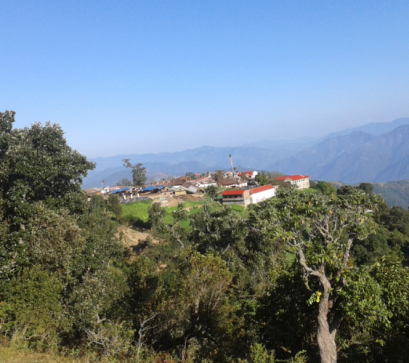
The trekking route itself begins near Latinath, gradually ascending through forests and small settlements such as Paribagar, Makarigaad, and Siti.
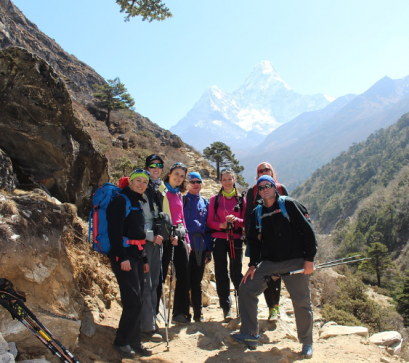
Unlike Everest or Annapurna, where teahouse networks and trekking traffic are well established, the Api trail retains a more expedition-like atmosphere. Accommodation is simple, trails are quieter, and encounters with other trekkers remain relatively uncommon.
As the trail climbs higher:
The village of Siti marks one of the important transitional points on the trek, where human settlements begin thinning as the trail moves deeper into high mountain terrain.
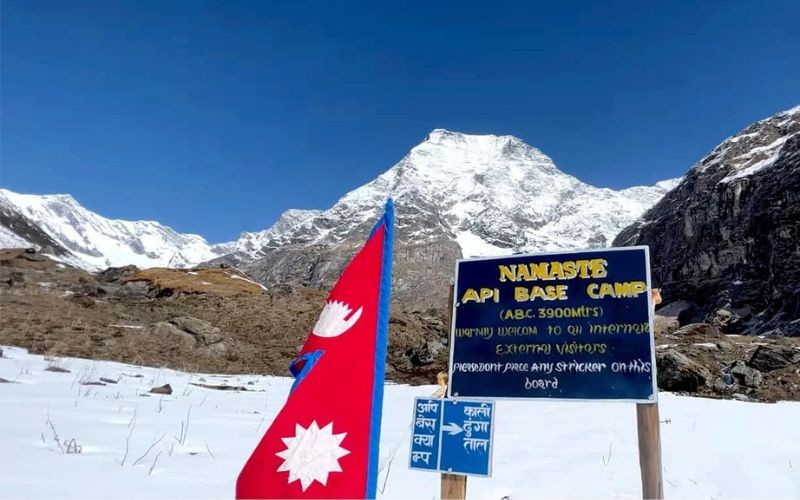
From Domal, trekkers continue towards Dhaulo Odar — often regarded as the lower Api Base Camp area — where the scenery changes dramatically.
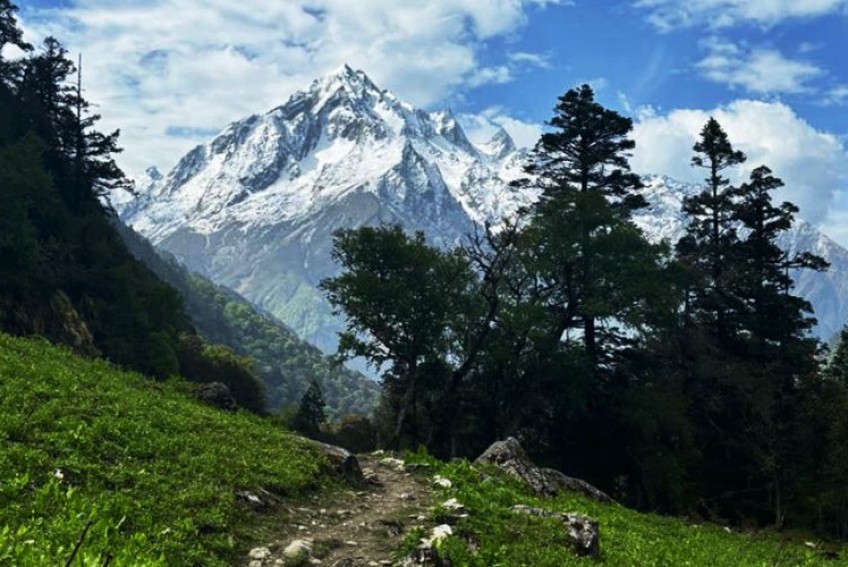
The forests open into alpine meadows framed by towering cliffs, glaciers, and snow-covered ridgelines. Mt. Api begins to dominate the skyline with an overwhelming presence, particularly during clear mornings when sunlight illuminates the mountain’s ice-covered slopes.
The final excursion towards Api Base Camp, also referred to in some itineraries as Pilkandah, offers panoramic Himalayan views and an intimate encounter with one of Nepal’s least visited mountain environments.
Unlike heavily photographed trekking destinations elsewhere in Nepal, the Api region still feels profoundly wild.
The Api region is also culturally distinct from Nepal’s more frequently visited trekking corridors. Communities here maintain strong ties to agriculture, pastoral life, and regional mountain traditions.
Hospitality remains simple but deeply genuine. Trekkers often encounter local households, traditional farming systems, and lifestyles shaped by the challenges of mountain geography and limited infrastructure.
In many ways, the cultural experience of Api is inseparable from its remoteness.
The Api Nampa Conservation Area protects one of Nepal’s ecologically significant Himalayan regions.
The conservation area supports:
As trekking gradually expands in far-west Nepal, sustainable tourism practices remain essential to preserving both biodiversity and local culture.
The region’s future tourism potential lies not in large-scale commercialisation, but in carefully managed, community-based and environmentally conscious travel.
The ideal trekking seasons are:
During these months, travellers can expect:
Monsoon season often brings landslides and difficult road access, while winter can introduce heavy snowfall at higher elevations.
In a Himalayan tourism landscape increasingly shaped by popularity, infrastructure, and visibility on social media, Api Base Camp remains refreshingly distant from mainstream trekking culture.
The journey is p. hysically demanding and logistically more complex than Nepal’s classic trekking routes. Yet it rewards travellers with something that has become increasingly rare in the Himalayas: genuine solitude.
For those willing to venture into Nepal’s far-western mountains, Api Base Camp offers not simply another trek, but an experience of the Himalayas before tourism transformed them.
PC: Breeze Adventure, Nepal Wilderness Trekking
Also Read