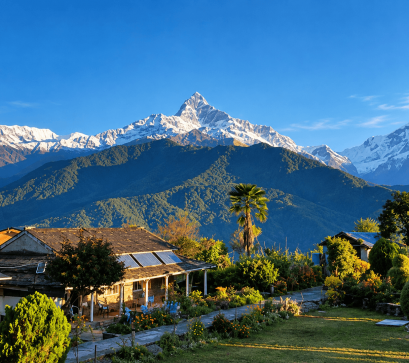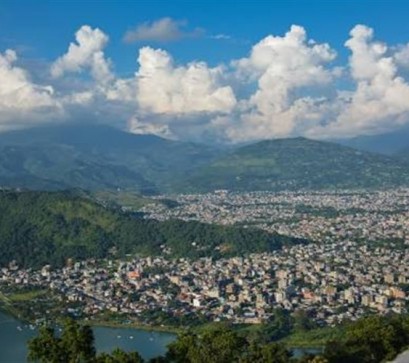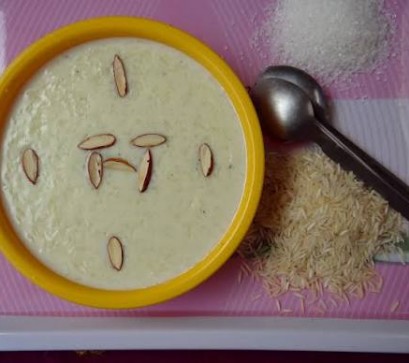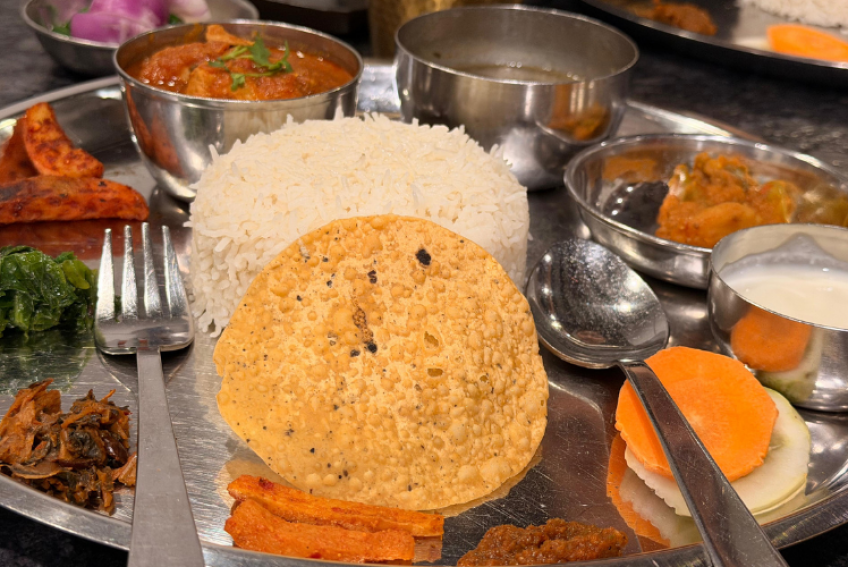
The country’s culinary identity is built on regional diversity. In one region, meals may center on rice, lentils, and vegetable curries. In another, millet, barley, and buckwheat dominate the plate. In festival settings, food becomes even more expressive, with elaborate thalis, fermented dishes, sweets, and ceremonial preparations reflecting community values and heritage. Nepal’s food culture is therefore best understood as a collection of living traditions rather than a single national cuisine.
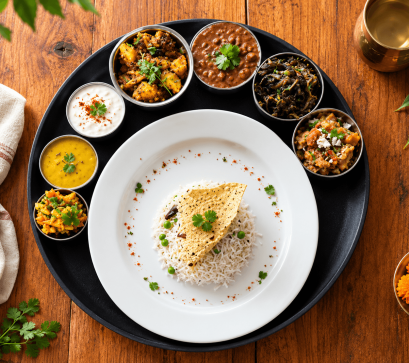
One of the most culturally rich regional food traditions in Nepal is Mithila cuisine, especially in the eastern Terai. Mithila food is closely associated with the Maithil community and is known for its balanced, festive, and seasonal character. A traditional Mithila thali often includes rice, dal, tarua, saag, chokha, pickles, papad, curd, and seasonal vegetables. On special occasions, it may also include fish, meat, sweets, and rice-based delicacies. The presentation is important too, because Mithila meals are often prepared with care for guests, festivals, and religious occasions. This makes Mithila thali one of the most distinctive and search-worthy examples of indigenous food in Nepal.
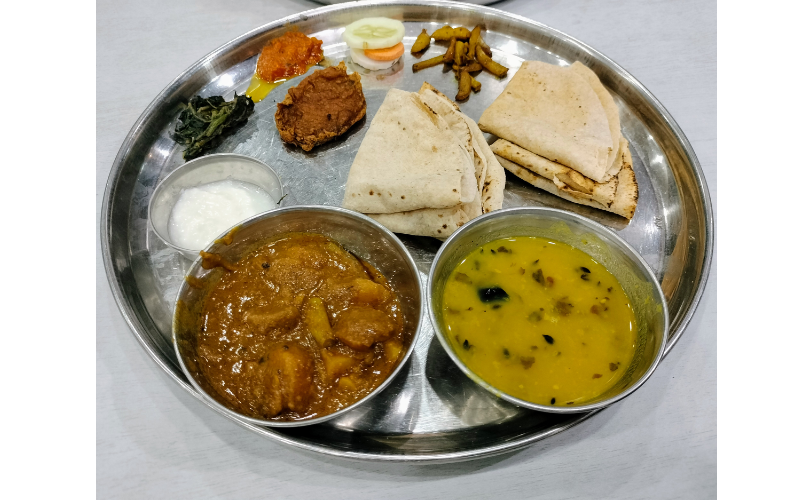
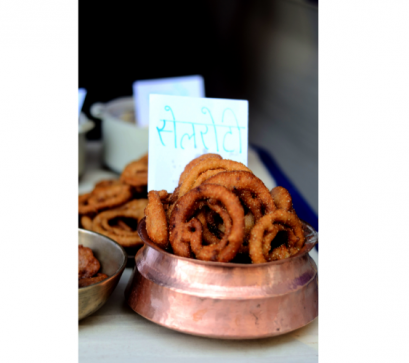
Mithila food stands out because it is both practical and ceremonial. In everyday life, it uses locally available ingredients such as rice, lentils, mustard oil, sesame, leafy vegetables, and homegrown spices. During festivals, however, the cuisine becomes more elaborate. Dishes like thekua, anarsa, pua, and other traditional sweets are prepared in homes across the Mithila region. These foods are often linked to cultural celebrations and family rituals, making them deeply tied to memory and identity. For readers searching for traditional foods of Nepal, Mithila cuisine adds a strong regional dimension that deserves more than a passing mention.
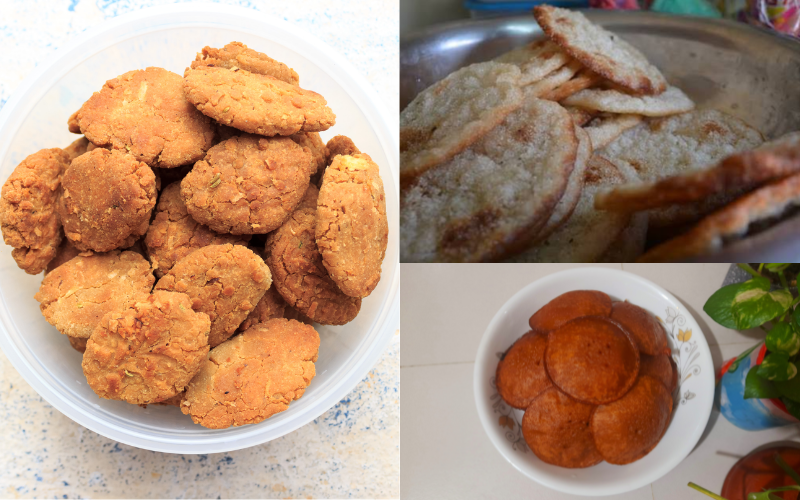
Another important cuisine is Newari food, one of Nepal’s most famous indigenous culinary traditions. The Newar community of the Kathmandu Valley has preserved a rich food culture that includes dishes such as samay baji, chatamari, bara, yomari, and choila. Newari food is known for its variety, ceremonial significance, and careful use of spice and texture. Many Newari dishes are made for festivals, family gatherings, and religious events, which gives the cuisine a strong cultural role beyond nutrition.
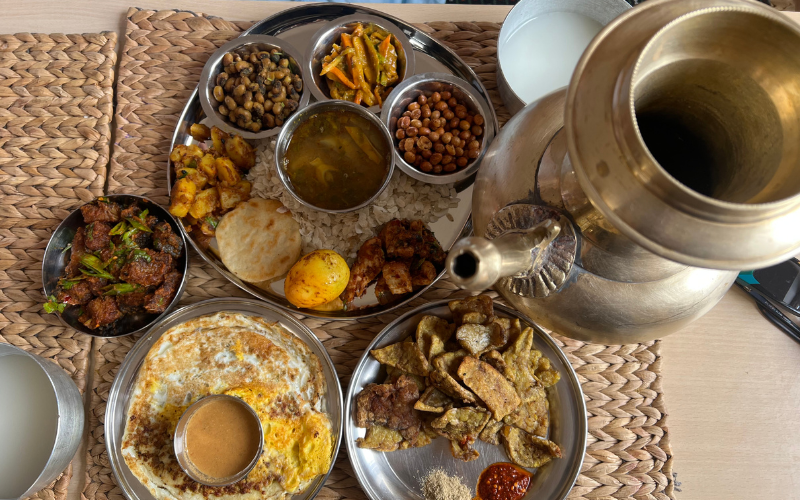
Thakali cuisine is another major part of Nepal’s indigenous food landscape. Originating from the Thak Khola region, Thakali food is known for balance, simplicity, and freshness. A typical Thakali meal often includes rice, dal, potatoes, greens, pickles, lentils, and meat or vegetable curries. What makes Thakali cuisine special is the harmony of flavors and the emphasis on wholesome meals that suit life in mountainous areas. It is also widely appreciated across Nepal, which makes it both culturally important and highly searchable.
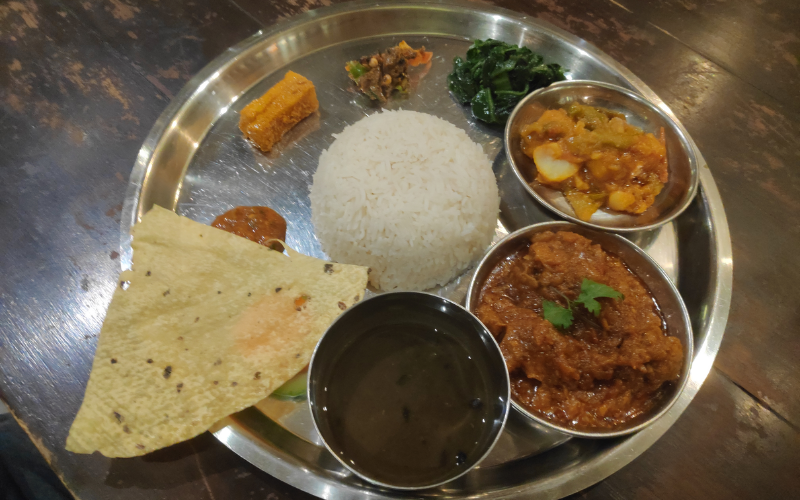
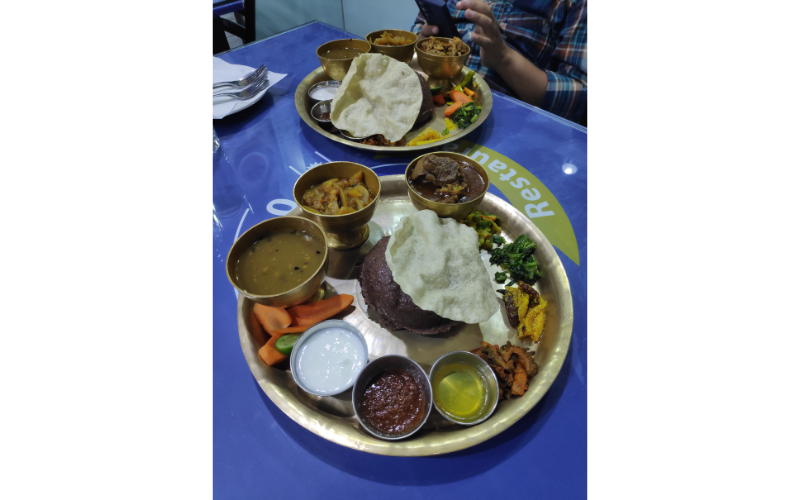
In the Himalayan regions, indigenous food tends to reflect the demands of cold weather and limited crop variety. Communities in high-altitude areas often rely on dhido, made from millet, buckwheat, or barley flour, as a staple. This is usually served with lentil soup, meat, vegetables, or fermented side dishes. Other common foods include soup-based meals, roasted grains, butter tea in some areas, and preserved vegetables. These foods are designed not only for taste but also for energy and warmth, which makes them central to daily life in mountain communities.
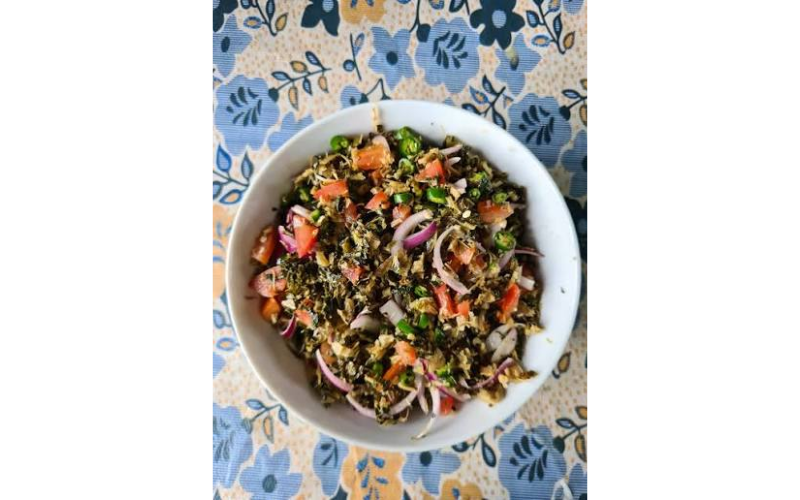
Fermented food also plays a major role in Nepali indigenous cuisine. One of the best-known examples is gundruk, a fermented leafy green that is eaten as a side dish, soup base, or pickle. Gundruk is especially important because it preserves nutrition during seasons when fresh vegetables may be less available. Other fermented and preserved foods, including local pickles and dried greens, show how Nepali communities adapted food storage to their environment. These dishes are especially important for articles that want to rank for traditional and healthy Nepali food keywords.
In the hills and valleys, everyday indigenous food often combines rice, lentils, vegetables, seasonal greens, and tangy pickles. In many homes, dal bhat remains the core meal, but local variations make it different from district to district. Some areas emphasize mustard greens, some use potatoes more heavily, and others include maize, millet, or local beans. This regional flexibility is one of the reasons Nepali cuisine is so rich and widely loved.
The Terai region offers another layer of culinary diversity. Along with Mithila food, other Terai traditions include rice-based meals, fish dishes, vegetable curries, fried snacks, lentils, yogurt, and seasonal sweets. Communities in the Terai often make the most of fertile farmland and warm climate, which means the food is generally richer in fresh produce, oil-based cooking, and festival dishes. Because of the influence of many ethnic groups and neighboring cultural traditions, Terai food has a broad, vibrant identity.
What makes indigenous food across Nepal so appealing to readers is that every dish carries a story. A Mithila thali tells a story of hospitality and celebration. A Newari feast tells a story of ritual and identity. A Thakali meal tells a story of mountain life and balance. A bowl of dhido or gundruk tells a story of adaptation, preservation, and resilience.
Picture Credits: Wikimedia Commons; Utshaha Thapa