Nepal's hill markets are a photographer's dream: terraced backdrops, brass utensils stacked in pyramids, saffron-red chilies drying in the sun, and faces that have seen generations of mountain life. But capturing that magic without looking like (or acting like) just another tourist with a camera takes more than luck. Here are 15 tried-and-tested tips to help you come home with images that actually tell a story.
Hill markets come alive early – vendors arrive before sunrise to claim their spots, and the low-angle light around 6:30–8:00 AM wraps around baskets of vegetables and weathered faces beautifully. Avoid the harsh, flat light of midday; instead, return in the late afternoon (4:00–5:30 PM) when the light turns warm and long shadows add depth to narrow alleyways.
Walk the market once with your camera down. Note where the light falls, which stalls have the best color contrast, and where people naturally gather. A five-minute scouting lap saves you from missing the shot when the light is perfect.
A 35mm or 50mm prime (f/1.8 or faster) is ideal for tight hill-market alleys. It's light, discreet, and lets you shoot in shadowed corners without a flash – which brings us to the next point.
Flash photography in a hill market draws attention, disrupts the scene, and often ruins the natural warmth of the light. Bump up your ISO instead (800–3200 is usually fine on modern mirrorless cameras) and embrace a little grain – it adds authenticity.
A smile, a namaste, and a gesture toward your camera go a long way. Most vendors in Nepal's hill markets are used to photographers and are happy to be photographed if you ask first. Refusal should always be respected – and often, asking leads to a warmer, more genuine portrait than a candid shot ever could.
Crouch down to photograph produce, spices, or a child's-eye view of the market. Shooting from a lower angle exaggerates the scale of piled goods and makes for far more dynamic compositions than shooting from standing eye level.
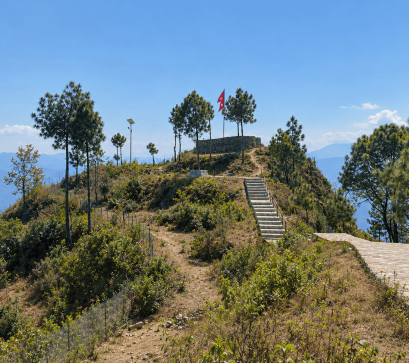
Hill markets are rarely flat. Use stone steps, sloped alleys, and terraced paths as natural leading lines that draw the viewer's eye through the frame toward your subject.
Doorways, market stall awnings, and overlapping umbrellas create natural frames. Position your subject inside these frames to add depth and context in a single shot.
Markets are full of movement – a hand tossing vegetables into a scale, a porter hauling sacks uphill. Switch to burst mode to catch the peak moment of action without missing it.
Nepal's hill markets are famous for bold color: turmeric yellow against indigo cloth, red chilies against green cardamom. Compose shots around these natural color contrasts for images that pop without any editing.
Not every shot needs a wide market scene. Close-ups of hands weighing grain, a weathered ledger book, or a stack of hand-woven baskets often communicate the soul of a place more powerfully than a wide shot.
Skip the oversaturated tourist circuits and head to smaller hill-bazaar towns for a more authentic scene – places like Bandipur, Sindhuli, Ilam, or the Saturday haat bazaars near Gorkha and Tanahun. Fewer photographers means more natural, unposed moments.
Hill markets can be dusty in the dry season and slick with rain in the monsoon. A simple rain cover and a lens cloth in your bag will save your gear – and your shots.
A small purchase – a bag of dried chilies, a woven basket – is a respectful way to thank vendors for their time and often opens the door to a more relaxed, candid photograph afterward.
In post-processing, lean into warm tones and gentle contrast rather than pushing saturation sliders to the max. Nepal's hill markets already have vivid natural color; over-editing can make images look artificial rather than authentic.
Photographing Nepal's hill markets is as much about patience and respect as it is about technical skill. Slow down, engage with people, and let the rhythm of the market guide your shutter finger. The best images aren't stolen – they're shared moments, captured.


.jpg)