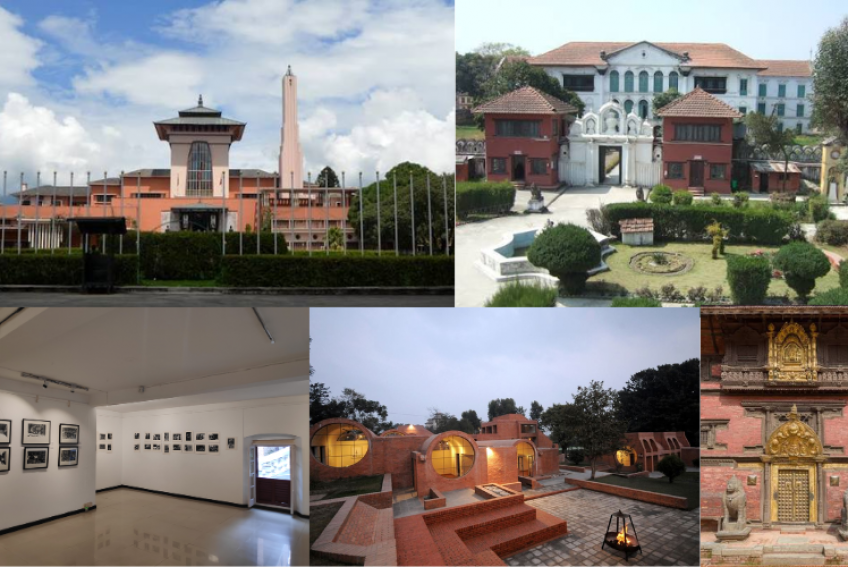
The Narayanhiti Palace Museum, a short walk from Durbar Marg, is one of the more atmospheric wet-weather stops in the city. The former royal palace has 52 rooms named after Nepal's districts, 19 of which are open to the public, and it doubles as a walk through modern Nepali history — the 2001 royal massacre is part of the story the museum tells, bullet holes included. It's entirely indoors, easy to combine with lunch nearby, and rarely crowded compared to the temple squares.
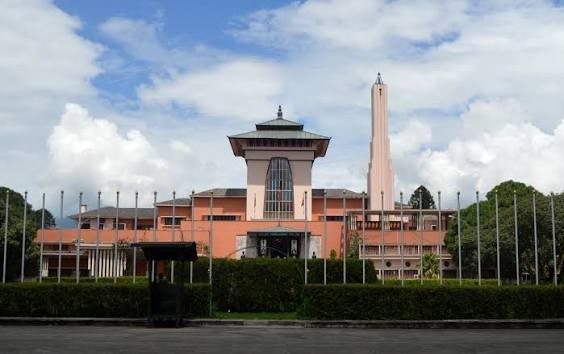
The National Museum of Nepal, housed in a Rana-era former arsenal at the base of Swayambhunath hill, is the country's oldest and largest museum, split across three buildings: a Historical Gallery, a Buddhist Art Gallery, and an Art Gallery covering centuries of sculpture, woodcarving, and painting. A visit typically runs two to three hours, which makes it a natural anchor for a rainy morning — and if the rain has let up by the time you're done, Swayambhunath itself is a short walk away. A few minutes further is the Natural History Museum, a smaller, quieter stop with tens of thousands of specimens of Nepal's flora and fauna, good for filling an extra hour without feeling rushed.

Patan Durbar Square is arguably Kathmandu Valley's best rainy-day base, because the Patan Museum sits right inside it. Housed in a former Malla-era palace wing, the museum is widely considered one of the best-curated in South Asia, with an unhurried walk through bronze casting, stone carving, and Newar architecture, plus a courtyard café that's a legitimately good place to wait out a downpour rather than just a museum-visit afterthought. Patan's surrounding alleys, lined with metalworking and woodcarving workshops, are also mostly coverable under shop awnings if a shower catches you mid-wander.
/DSC04238.jpg)
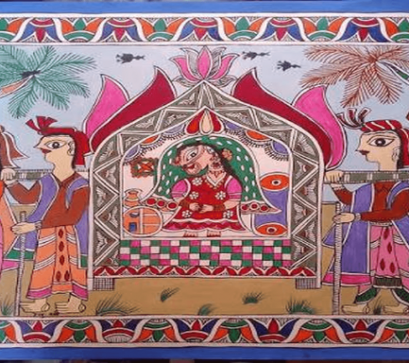
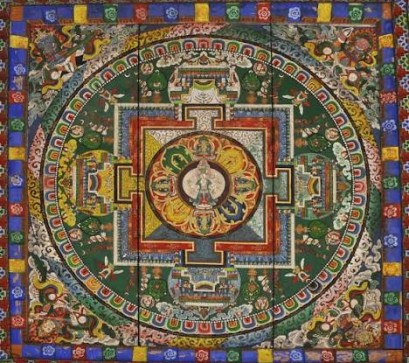
For something outside the palace-and-artifact mould, the Museum of Nepali Art (MoNA) in Thamel focuses on Nepali visual art from tradition through contemporary practice, with rotating exhibitions of both established and emerging artists — a good pick if you want culture without another round of ancient statuary. Nearby, the Siddhartha Art Gallery and Nepal Art Council Gallery host changing contemporary shows and are easy to fold into a Thamel shopping detour when the sky turns. Closer to Boudhanath, the Taragaon Museum, set on the grounds of the Hyatt Regency, is worth the trip for its own architecture as much as its collection — its Bodhisattva Gallery of Newa art and Pathivara Gallery of thangka paintings are housed in a striking Austrian-influenced brick structure built originally as an artists' hostel in the 1970s.

If a downpour settles in properly, Kathmandu's monastery interiors are an underused option — Boudhanath's surrounding gumbas, including Shechen and Kopan, hold afternoon chanting sessions that are as much a sensory experience as a spiritual one, and you're indoors the entire time. And when culture fatigue sets in, plenty of cafés around Thamel and Patan are set up for exactly this weather, with covered seating, board games, and no pressure to move on until the sky clears.
None of this requires abandoning your itinerary for the day — it requires sequencing it. Save Durbar Squares and open courtyards for clearer morning hours, and route yourself toward whichever museum cluster is closest when the afternoon clouds start stacking up over the valley.