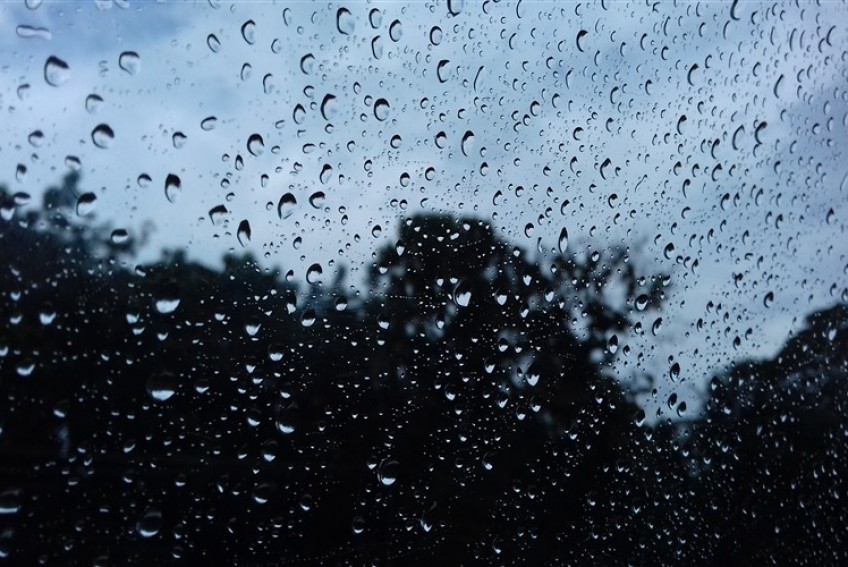
Nepal's monsoon runs roughly from mid-June to late September, driven by moisture-heavy winds off the Bay of Bengal. It's wetter, muddier, and far less predictable than autumn — but it's also the only season that hands you certain shots on a plate: paddy fields at full, saturated green; waterfalls swollen to their yearly peak; low cloud pouring through mid-hill valleys like something out of a Chinese ink painting. Autumn gives you clarity. Monsoon gives you atmosphere.
The single most useful thing to understand about monsoon photography in Nepal is that the rain isn't evenly spread. The Himalaya blocks most of the monsoon's moisture from reaching the trans-Himalayan region, which means areas like Upper Mustang and Dolpo stay comparatively dry and sunny through July and August — while the rest of the country is under cloud. These rain-shadow zones are, counterintuitively, one of the best times of year to shoot them: warm light, dust-dry canyon textures, and none of the autumn crowds jostling for the same tripod spot.
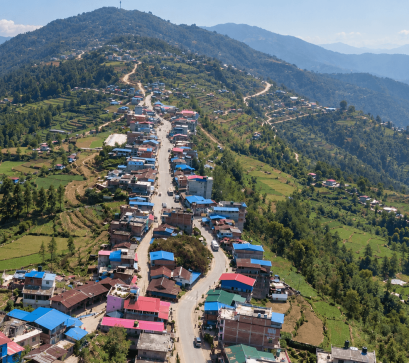
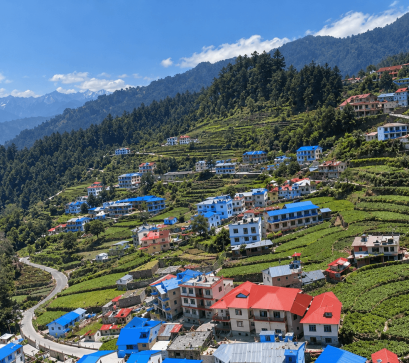
If you're not headed that far west, the mid-hills still deliver, just differently. Think mist threading through terraced fields near Kathmandu Valley's rim, or brief windows of golden light breaking through storm cloud right after a downpour. Mornings tend to be your best bet before afternoon rain rolls in, so plan shoots for early daylight hours wherever you are.
Monsoon light is moody by nature, and that's an asset if you use it deliberately. Overcast skies act as a giant diffuser, which is genuinely useful for portraits and close-up cultural shots — none of the harsh shadows autumn sun creates at midday. Storm-edge light, the narrow window just before or after rain, tends to produce some of the most dramatic skies of the year, with shafts of light cutting through breaking cloud over the hills. It's unpredictable, which means more waiting around than in dry season, but the payoff shots are harder to get any other time of year.
A few things make or break a monsoon shoot in Nepal. Weather-sealed gear or a solid rain cover is close to essential — a dry bag and silica packets for your camera bag are cheap insurance against Nepal's humidity. Trails get slick and leeches are common at lower elevations, so factor in slower movement between shots than you'd plan for in October. And because monsoon coincides with some of Nepal's quieter cultural moments — including planting-season festivities in the paddy fields — it's worth building a little flexibility into your itinerary for spontaneous, unscripted scenes rather than sticking rigidly to a shot list.
Monsoon photography in Nepal isn't about maximizing your odds of a perfect frame — it's about accepting lower odds in exchange for a shot almost nobody else has. Green terraces at their fullest, rain-shadow deserts at their most golden, and storm light that autumn's clear skies simply can't produce. If you're chasing a familiar postcard, wait for October. If you're chasing something no one else's feed has, monsoon might be the better bet.