The temple is not the only point.
Every tour brings you to the main ghat. You see the cremations. You photograph the sadhus. You buy the postcard. And then you leave, usually within 45 minutes, having experienced the most photogenic 3% of the site.

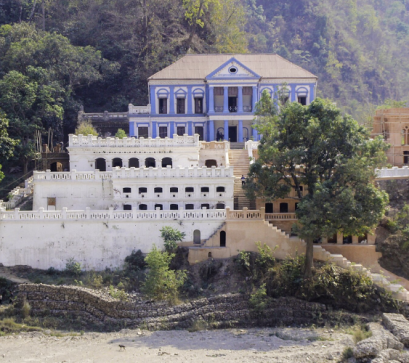
What the bus doesn't show you: the Arya Ghats are one section of a complex that stretches across both banks of the Bagmati River for nearly 2 kilometers. Behind the main temple – which is off-limits to non-Hindus, by the way, a detail some guides gloss over – there are smaller shrines, meditation caves, deer park areas, and forest paths where sadhus live year-round in near-total solitude.
Go on a Tuesday or Saturday evening for Aarti – the fire ritual on the river ghats. It happens every night, but these evenings draw more worshippers. It is not a performance for tourists. That's the entire point.
You’re probably leaving too soon.
Most visitors do the main stupa and the monkey interaction and call it done in an hour. This is understandable – the stupa is stunning, and the monkeys are an experience.
But Swayambhunath, which dates back at least 2,500 years according to Newar chronicles, contains a complex of smaller temples and shrines tucked behind the main structure that almost no tour group visits.
The Shantipur temple, for instance, holds one of the most esoteric legends in the valley – a story about a sealed chamber, a living deity, and a mantra that controls the weather. It's unverifiable. It is also genuinely fascinating.
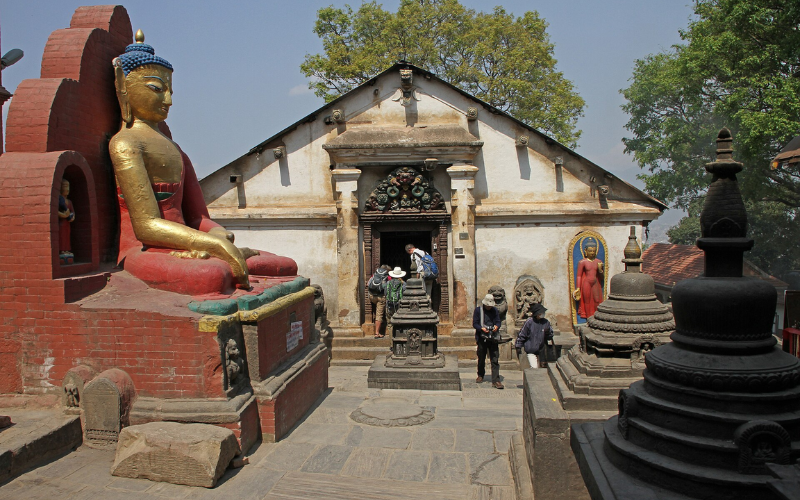
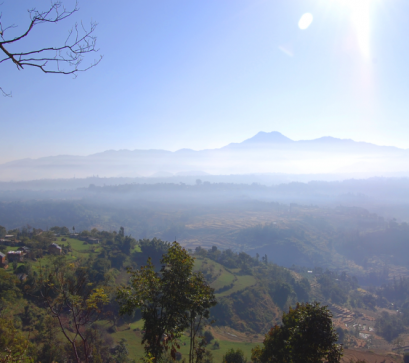
Also: come at dawn, before the tour buses. The monks do their circumambulation in the early light, spinning prayer wheels. The valley is still below the haze. It is a completely different site.
The stupa is 500 meters wide. The real thing is the community.
Boudhanath is one of the largest Buddhist stupas in the world, and its scale alone justifies the visit. But what most tourists miss is that it sits at the center of a living Tibetan Buddhist community – thousands of Tibetan refugees and their descendants who settled here after 1959 and built an entire religious ecosystem around the stupa.
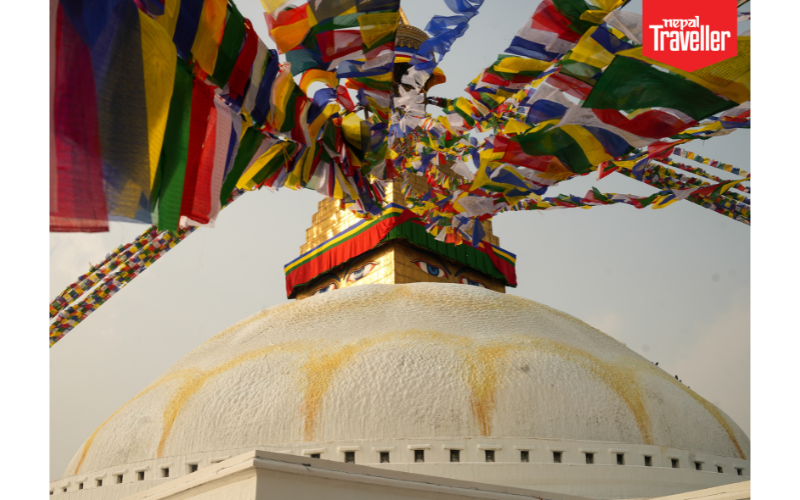
The 50-plus monasteries (gompas) ringing the stupa are active institutions, not museum pieces. Several offer meditation instructions to visitors. A few allow you to sit in on morning or evening puja –prayers that involve horns, cymbals, and chanting that resonates physically in the chest.
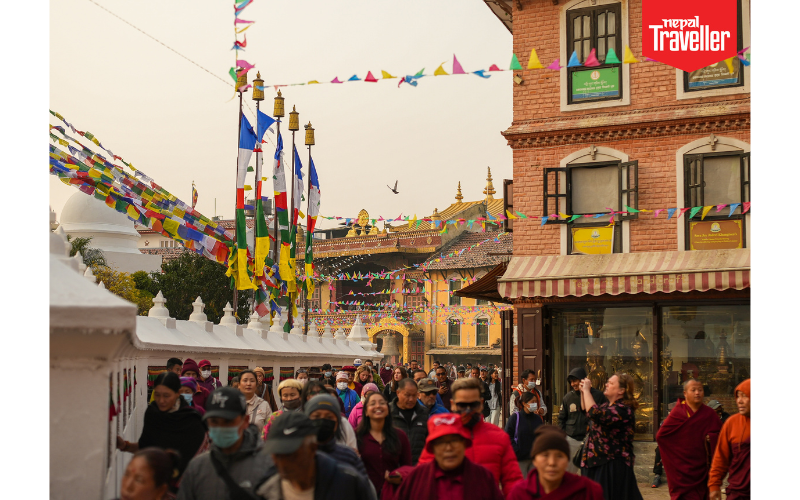
Skip the cafe lunch on the ring road (though the views are lovely) and instead find one of the smaller Tibetan restaurants in the back lanes. Ask for the thukpa. Sit with it. Listen.
The Kumari is still there. Most visitors photograph the temples, admire the Malla-era architecture, and move on. What the standard 45-minute tour rarely explains: Kumari Ghar, the red-brick palace beside the square, is the active home of the Kumari – a prepubescent girl selected through rigorous ritual to serve as the living embodiment of the goddess Taleju. She is not a historical relic or a ceremonial tradition being preserved for tourists. She lives there now, and she will appear briefly at the window on certain occasions.
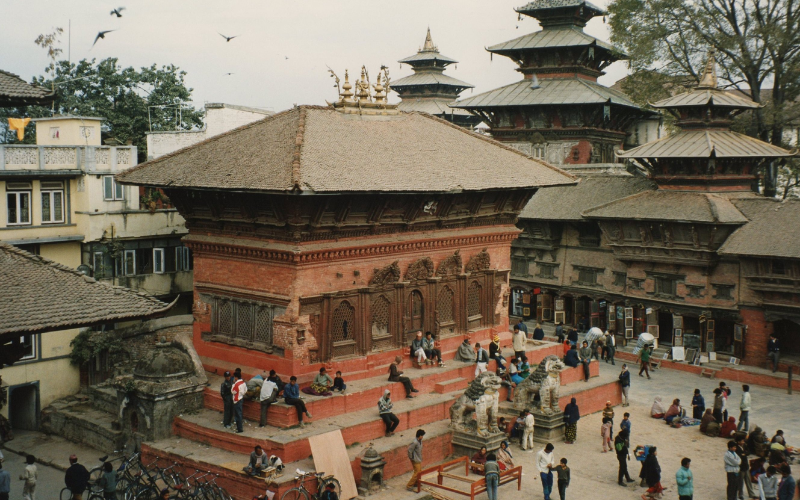
The Kathmandu Durbar Square suffered significant damage in the 2015 earthquake, and some structures are still in various stages of reconstruction. Visiting now means seeing the site mid-recovery, which is its own kind of honesty – a place that refuses to stop being inhabited even while it heals.
The most intact square, and the least visited of the three. Of Kathmandu Valley's three durbar squares, Patan is widely considered the finest for craftsmanship. The Krishna Mandir – built in 1637 entirely in stone – is a shikhara-style temple unlike anything else in the valley.

The Patan Museum, housed in a restored royal palace, is arguably the best museum in Nepal. Almost nobody goes. Patan is also the traditional heart of the Newar metalworking tradition. The craftspeople in the streets around the square are not performing for visitors – they're producing bronze statues and ritual objects using the same lost-wax casting technique their ancestors used. You can watch, and in some workshops, ask questions.
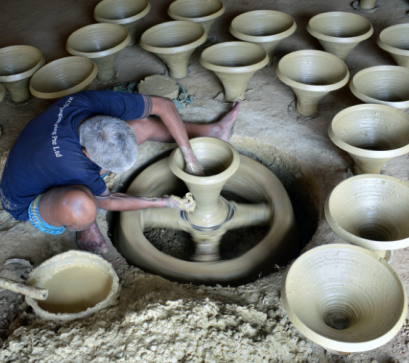
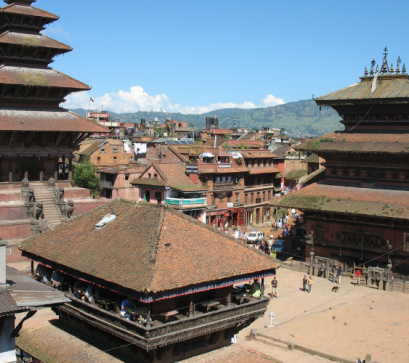
The living city is what makes this work. The 55-Window Palace, the Nyatapola Temple – the tallest pagoda in Nepal – the pottery squares. Legitimately, overwhelmingly beautiful. But Bhaktapur is not a museum. People live here. The potters in Pottery Square are not doing a demonstration – they are making their living.
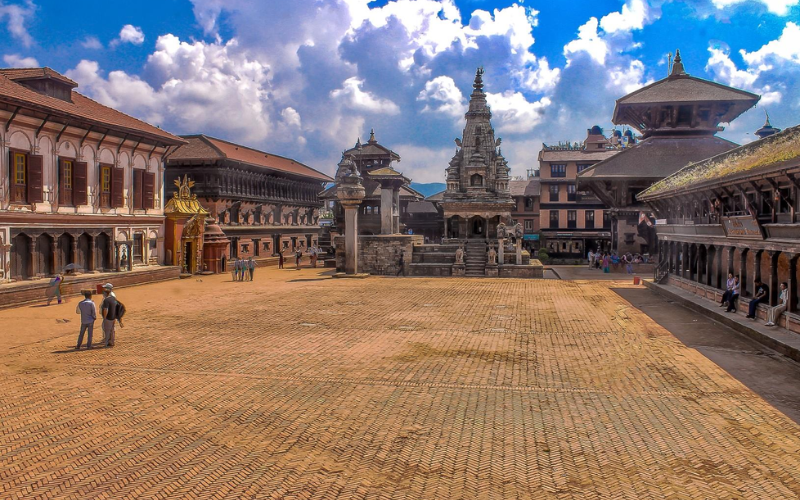
Newar cultural practices here are among the most intact in the valley precisely because the community resisted rapid modernization. Come during Bisket Jatra in mid-April and you'll see one of the most chaotic, ancient, and completely unselfconscious festivals in Nepal.
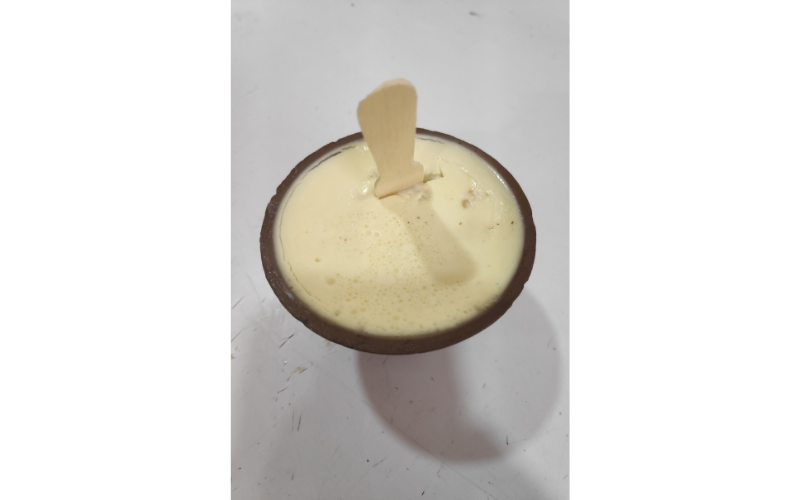
Eat the juju dhau – the "king of yogurt," made only in Bhaktapur. It sounds like a small thing. It is not.
The oldest temple in Nepal, and almost nobody comes. Perched on a hilltop 12 kilometers east of Kathmandu, Changu Narayan is widely regarded as the oldest Hindu temple in the valley, with an inscription on a stone pillar dated 464 CE – the oldest inscription ever found in Nepal. The courtyard is packed with stone and bronze sculpture spanning the 5th to 12th centuries, making it the highest concentration of ancient art in the entire country.
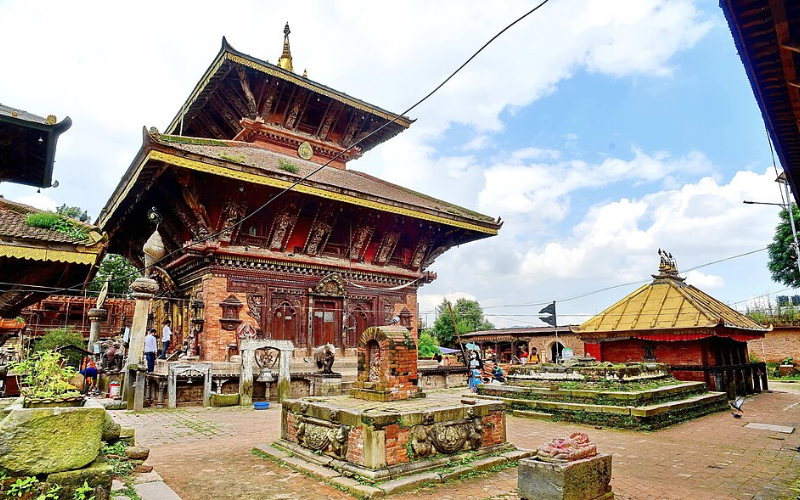
It also has a small museum that most visitors don't notice, containing a rhino-skin shield, a 500-year-old dish rack, and rice that is over 225 years old. These are not exhibits with dramatic lighting and interpretive signage. They're in a room, matter-of-factly.
The Garuda statue in the main courtyard – Vishnu's winged mount depicted in human form – is so significant it appears on Nepal's 10-rupee banknote. Go see what's on your currency.
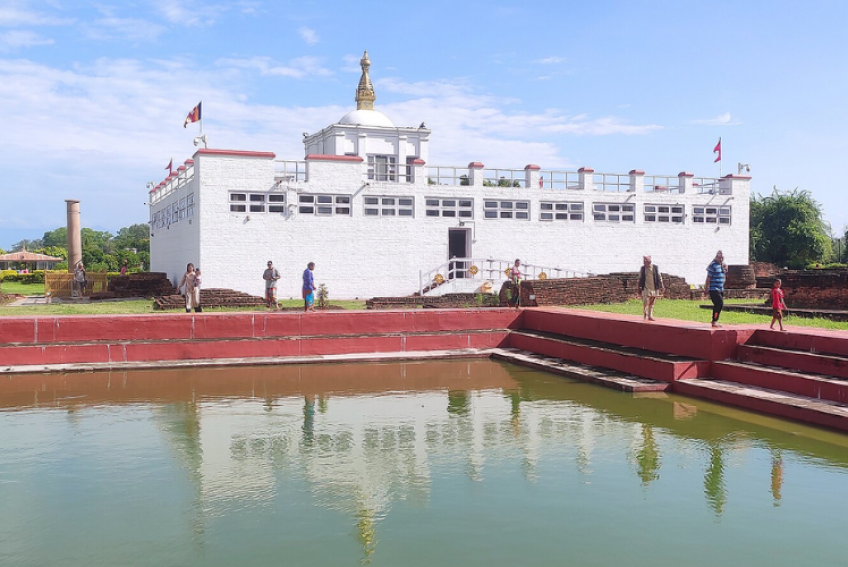
Most visitors see one temple. The site is much, much larger. Lumbini is one of the four primary Buddhist pilgrimage sites in the world – the birthplace of Siddhartha Gautama. The Maya Devi Temple marks the exact spot, protected by a marker stone under bulletproof glass, surrounded by the ruins of brick stupas dating from the 3rd century BCE to the 9th century AD.
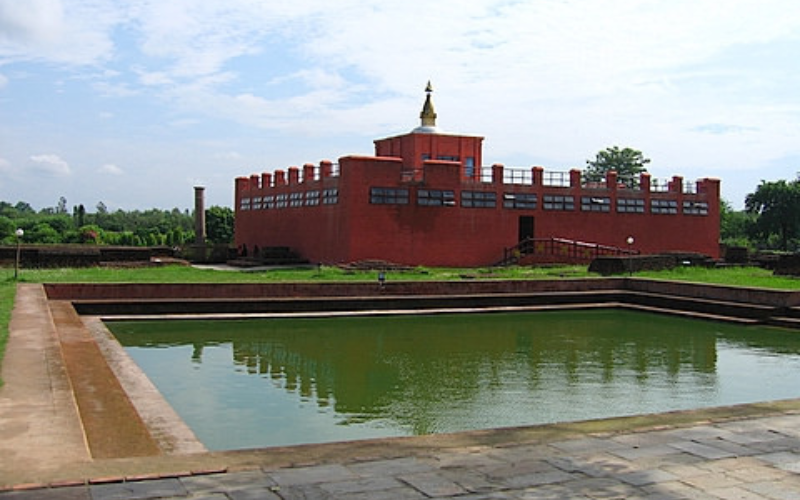
The mistake most visitors make is treating Lumbini as a single temple visit. The Monastery Zone – about 3 kilometers from the Sacred Garden – is an extraordinary landscape of monasteries built by Buddhist communities from Korea, China, Germany, Vietnam, Myanmar, Thailand, and dozens of other countries, each in their own national architectural style. It is unlike anything else in Nepal: a kind of quiet, contemplative international city that has assembled itself around a single point of origin.
In 2013, archaeologists discovered beneath the Maya Devi Temple the remains of a timber shrine dated to before 550 BCE – potentially the earliest Buddhist shrine ever found. It didn't make the tour brochures.
Walk past the current temple to the sacred pond where Queen Maya is said to have bathed before giving birth. Remove your shoes. Take your time.
The rhino is not the whole story. Definitely do the safari and witness the protected wildlife first-hand. The greater one-horned rhino is a conservation success story that deserves acknowledgment.
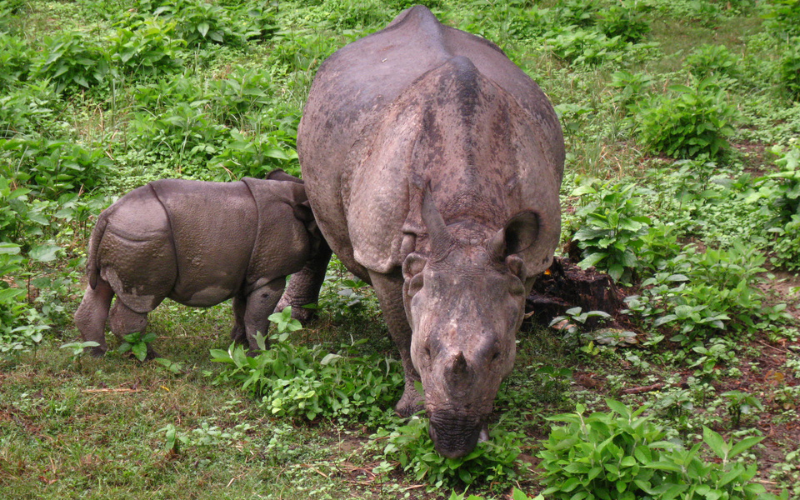
But Chitwan sits in the Terai – Nepal's lowland belt – and contains ecosystems and Tharu cultural traditions that most visitors never engage with.
The Tharu people have lived in the Terai for centuries, developing a natural resistance to the malaria that kept others out. Their culture, architecture, and relationship to the land are distinct from anything in the hills. Chitwan National Park records over 600 bird species. Most visitors spend two nights, do one jeep safari, and leave.
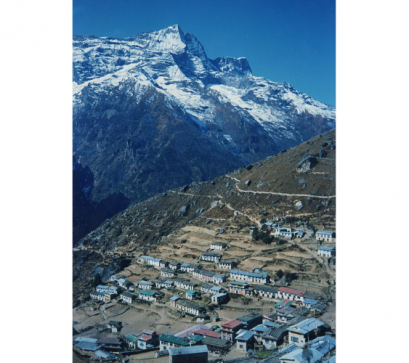
The mountain is the headline. The Khumbu is the story. Sagarmatha National Park is a World Heritage Site not just for Everest but for its entire cultural landscape – the Sherpa villages, the monasteries, the high-altitude ecosystem that has evolved around some of the most extreme terrain on earth. The mountain is the headline. The Khumbu is the story.
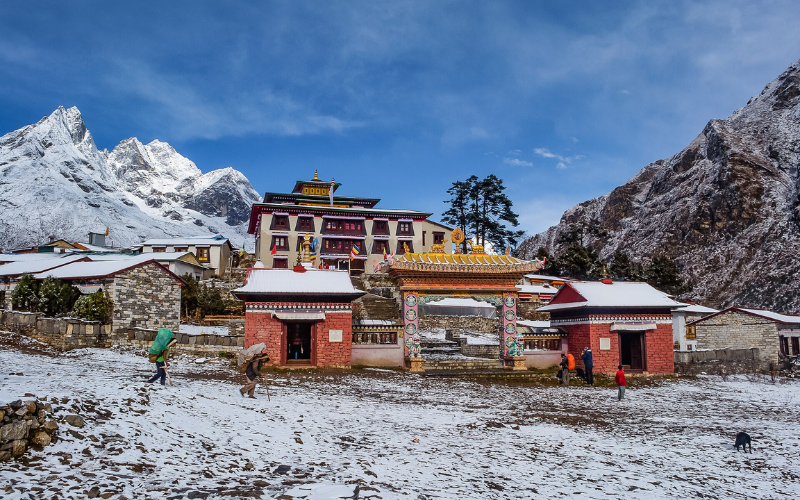
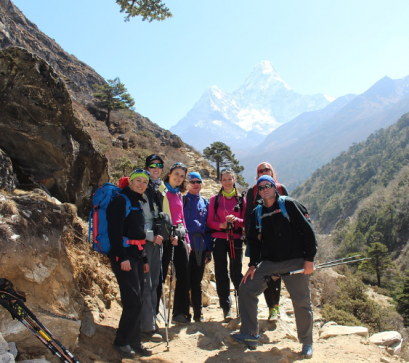
Namche Bazaar is the last town before the wilderness begins and deserves at least a full day – not as a logistics stop, but as a place. The Tengboche Monastery, at 3,867 meters, sits in one of the more improbable positions of any religious structure on earth. In October, Mani Rimdu – a masked dance festival performed by the monks – draws both pilgrims and trekkers. Most people walk past on their way to the pass.
Nepal has stacked more UNESCO designations into a small geography than almost anywhere on earth. That density is not an accident – it is the result of an extraordinary convergence of cultures, faiths, eras, and ecosystems in one tight corridor of the Himalayan foothills.
The tour bus will show you the highlights. The highlights are real and worth seeing. But Nepal's heritage sites are living, breathing, inhabited places. The best way to honor them – and to actually understand them – is to slow down, step off the marked path, and pay attention to what's happening on the margins. That's where the real site is.
Picture Credits: Wikimedia Common; Nepal Traveller