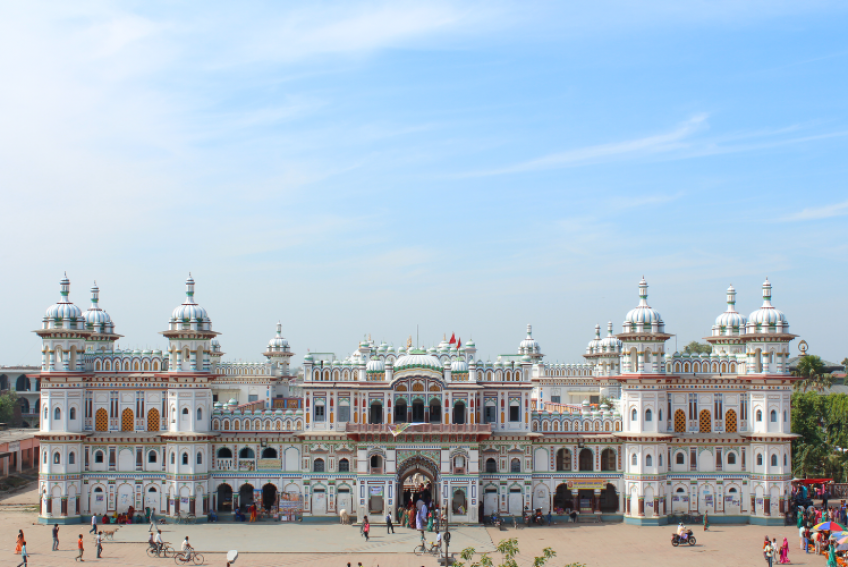
In Janakpur, the cultural capital of Madhesh Pradesh, and the spiritual center of the ancient Mithila world, sweetness is not simply a pleasure – it is a language. The confections produced in the home kitchens of Janakpur, its festival stalls, and its mithai lanes are not interchangeable. Each belongs to a specific occasion, a specific season, a specific social act.
Mithila sweet tradition draws on a tight, refined vocabulary rather than an expansive one. Where some traditions compete through variety, Mithila competes through depth – the same core confections made again and again across generations, perfected within narrow parameters, each iteration placing the maker in an unbroken line of transmission. The wooden moulds, the soaking times, the specific jaggeries – these are not recipes. They are inheritance.
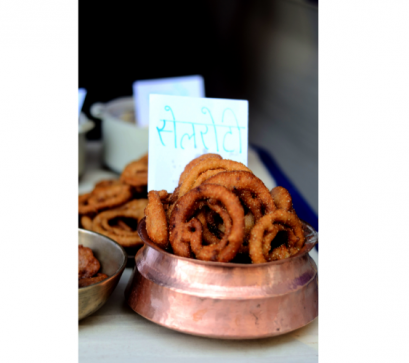
Anarasa is the most foundational of all Mithila sweets, perhaps the oldest in continuous production. In Sanskrit, the word means “without corruption”, or “eternal”, denoting cleanness, timelessness, and absence of decay. Made with rice flour, that is ground after being soaked for a few days, sweetened with jaggery – Anarasa is formed into discs coated with sesame before being fried in open iron kadais. It is a dessert that cannot be hurried. The soak time is not a shortcut waiting to happen; it is the thing itself. The fermentation gives the confection the slight sour beneath the sweet, and the sesame crisp that is beloved among everyone. Anasara is Mithila’s threshold sweet.
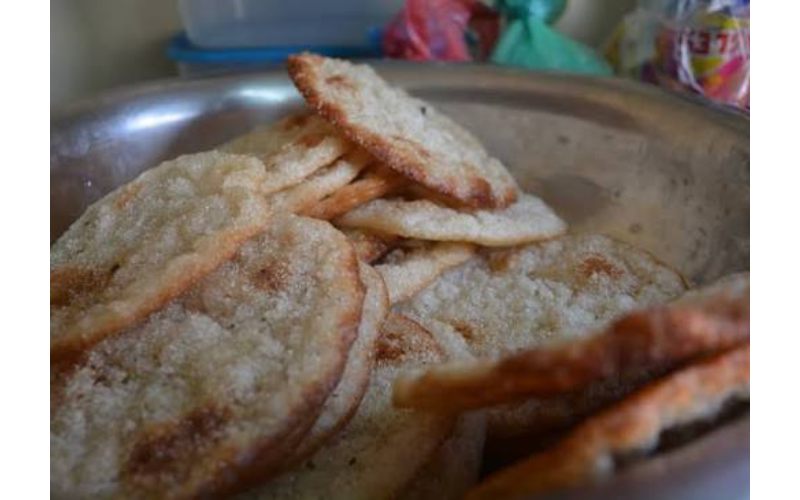
When a daughter returns to her paternal home, Anarasa is one of the first things placed in her hands. It appears at the end of fasting periods, and at the beginning of auspicious undertakings. Anarasa is the edible expression of belonging, given without ceremony, and received without needing explanation.
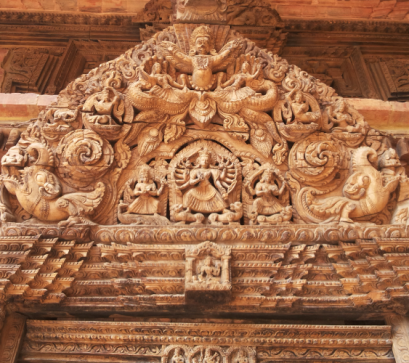
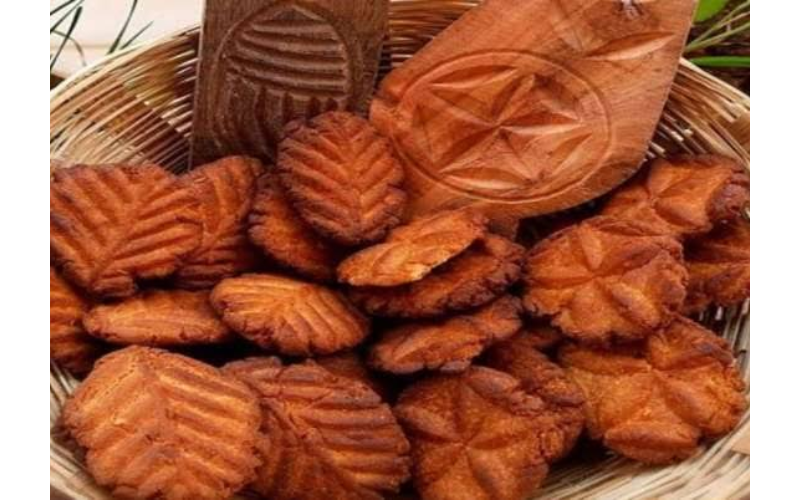
Thekuwa is the sweet that most clearly reveals the connection between Mithila's edible and visual traditions. A pressed wheat-flour biscuit sweetened with jaggery and flavoured with fennel — and sometimes grated coconut or cardamom Thekua is made using carved wooden moulds that impress geometric and floral patterns into its surface before frying. Those patterns are not decorative in any simple sense. The mould is how generations of women have embedded their artistic grammar into edible form. The Thekua you eat carries the same hand that paints the courtyard. Thekua is the sacred offering of Chhath Parva, the sun worship festival observed with extraordinary intensity across the Tarai and Madhesh. Prepared in quantities large enough to sustain entire extended families and distributed to neighbours and visitors, Thekua at Chhath is both food and prayer.
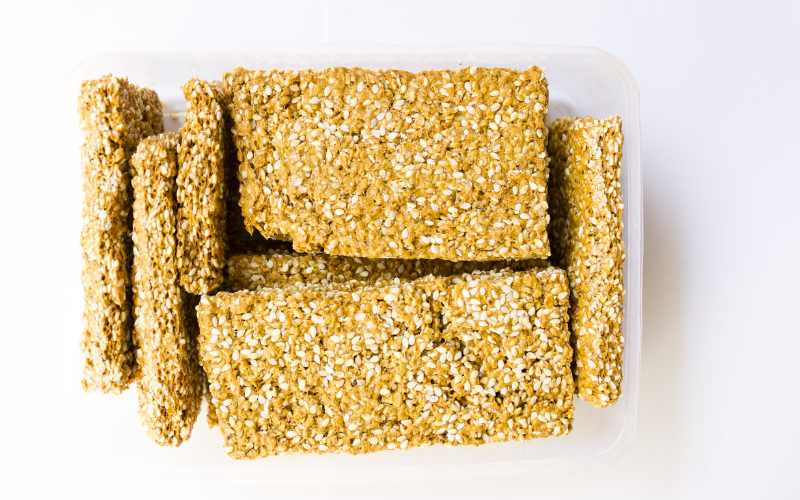
Tilkut is the most physically demanding of the Mithila sweets to make, and the most immediately arresting to encounter. Sesame seeds and jaggery are cooked together and then worked — hammered repeatedly with wooden mallets on stone surfaces — until the mixture becomes a dense, flaky, crumbling brittle that can be pressed into blocks or rolled into cylinders. The hammering, which can continue for hours in traditional production, produces a sound audible from a street away during festival season. Tilkut is most strongly associated with Vivah Panchami, the festival commemorating the mythological marriage of Ram and Sita — figures understood in Mithila tradition not as distant divine abstractions but as family: Ram as the son-in-law who came from Ayodhya, Sita as the daughter of this soil. During Vivah Panchami, the lanes around Janaki Mandir fill with temporary Tilkut stalls. The sweet's dense, crumbling texture and concentrated sesame flavour make it unlike anything else in the Mithila confectionery repertoire.
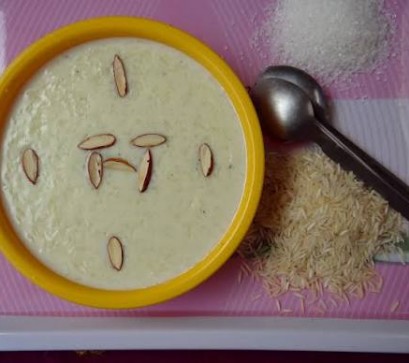
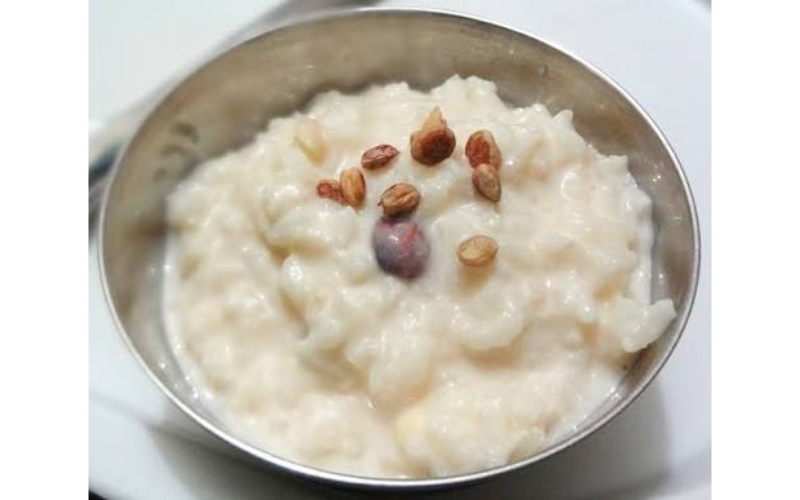
Kheer – rice pudding slow-cooked in milk until the grains dissolve into a thick, fragrant cream – is not unique to Mithila. It appears across South Asian sweet traditions in dozens of regional forms. What distinguishes Mithila's Kheer is the rice used and the social architecture of its preparation. During Sama Chakewa, a festival unique to the Mithila region celebrated primarily by women and girls to mark the return of migratory birds, Kheer is made from the aromatic local rice varieties grown in Madhesh Province's alluvial plains. The festival is matrilineal in its social structure — conducted among women, distributed horizontally across households rather than vertically within families. The Kheer made for Sama Chakewa reflects this: produced collectively, shared across neighbourhood lines, eaten together rather than saved. Sama Chakewa's Kheer is not a sweet you take home. It is a sweet that dissolves social distance.
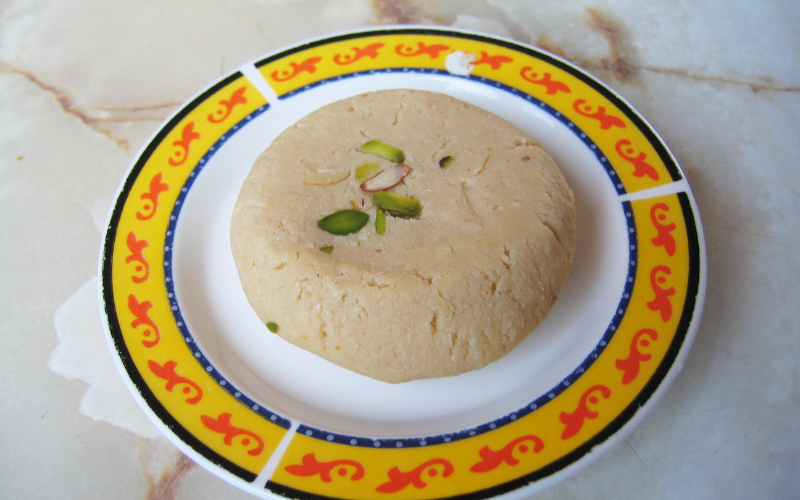
Peda is the most immediately legible of Janakpur's sweets to the outside visitor — a soft, compressed disc of reduced milk solids (khoya) mixed with sugar and cardamom, pressed with a thumb into its characteristic dimpled shape, sometimes garnished with pistachio or silver leaf. It is sold in every shop within walking distance of Janaki Mandir and is the sweet most closely associated with temple pilgrimage. The association is straightforward: Peda travels well, packages neatly, and is accepted as prasad — blessed food redistributed after offering. Pilgrims arriving at Janaki Mandir buy Peda to offer, receive it back as prasad, and carry it home to family members who could not make the journey. In this sense Peda is less about the sweet itself than about the circuit it completes: from shop to temple to deity to hand to home. It is a sweet that carries the memory of a journey.
Janakpur is connected to Kathmandu by regular flights to Janakpur Airport, and is accessible by road from Birgunj and the eastern Terai highway. The city's core, Janaki Mandir, the old residential quarters, and the festival lanes, is walkable; a cycle-rickshaw is the appropriate vehicle for lane-level exploration. The best mithai is not always in the most visible shop.




.jpg)

.jpg)