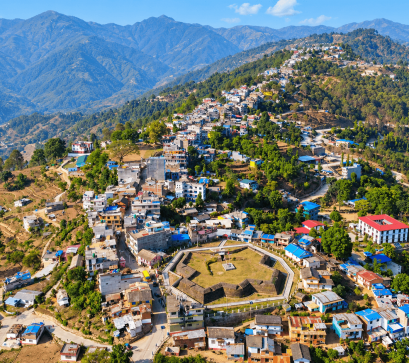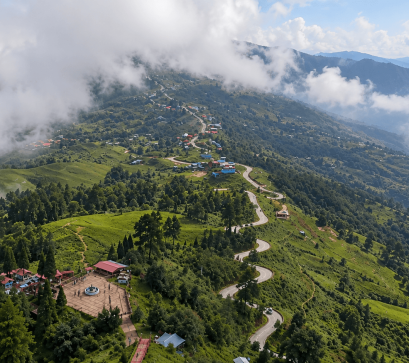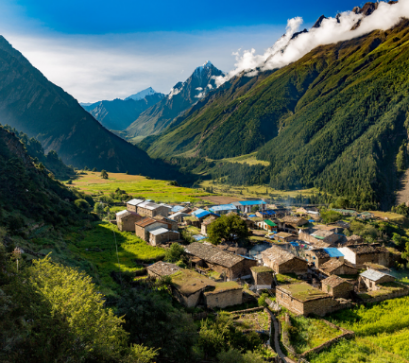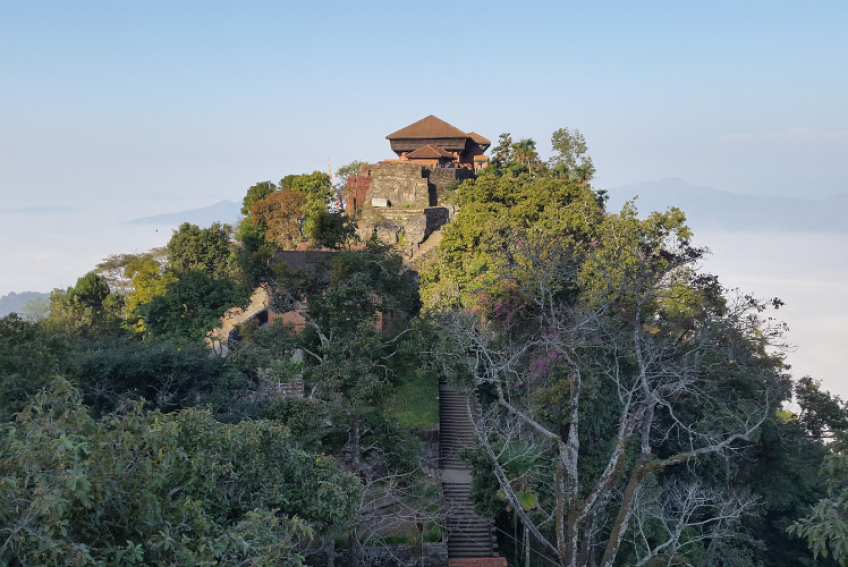
Perched on a ridge nearly 1,000 feet above Gorkha bazaar, Gorkha Durbar is one of Nepal's most historically significant landmarks. This fortress-palace was the ancestral seat of the Shah dynasty and the starting point of the campaign that unified the many small kingdoms of the Himalayan region into a single nation. For history lovers, pilgrims, and trekkers alike, a visit to Gorkha Durbar offers a rare blend of architecture, spirituality, and sweeping mountain views.
Gorkha Durbar is best known as the birthplace of King Prithvi Narayan Shah, the monarch credited with unifying Nepal's fragmented hill principalities in the 18th century. From this hilltop stronghold, he planned and launched the military campaigns that would eventually bring Kathmandu Valley and much of the surrounding region under a single crown. The palace complex itself dates back further, with roots connected to the medieval Khadka and Shah rulers of the Gorkha kingdom, and it remains a powerful symbol of national identity in Nepal to this day.
The Durbar is built in a striking mix of Newar-style pagoda architecture and traditional hill-fort design, using stone, wood, and tiered roofs typical of the era. The complex includes:
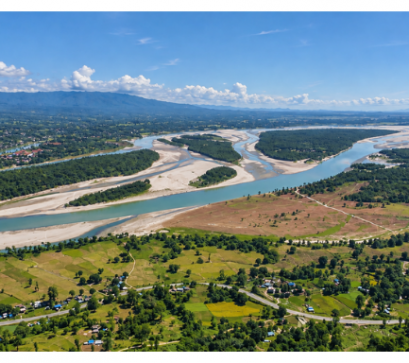
The layered rooftops and elevated position give the Durbar commanding views over the Trishuli and Marsyangdi river valleys, and on clear days, the snow-capped peaks of the Manaslu and Himchuli ranges are visible in the distance.
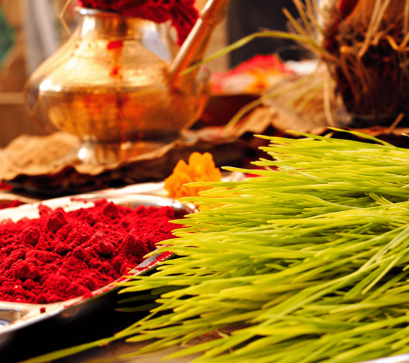
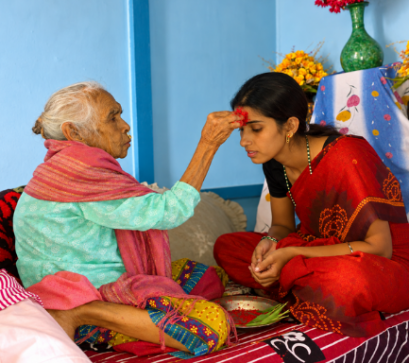
Gorkha Durbar isn't just a historical monument — it remains an active pilgrimage site. The Kalika Temple within the complex draws thousands of devotees, particularly during Dashain, Nepal's biggest Hindu festival, when ritual sacrifices and prayers are performed in honor of the goddess. Many Nepalis consider a visit to Gorkha Durbar during Dashain to be spiritually significant, tying the site's religious role directly to its historical legacy as the seat of the nation's founding dynasty.
Gorkha town sits roughly 140 kilometers west of Kathmandu, typically a 4–5 hour drive by road. From Gorkha bazaar, reaching the Durbar itself requires either:
The climb is worth it — both for the historical weight of the site and the panoramic Himalayan views from the top.
More than two centuries after Prithvi Narayan Shah set out from its gates, Gorkha Durbar remains a living monument to Nepal's founding story. Whether you're drawn by history, architecture, spirituality, or simply the view from the top, this hilltop palace offers a uniquely layered window into how modern Nepal came to be.