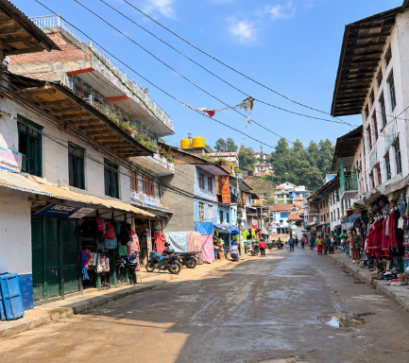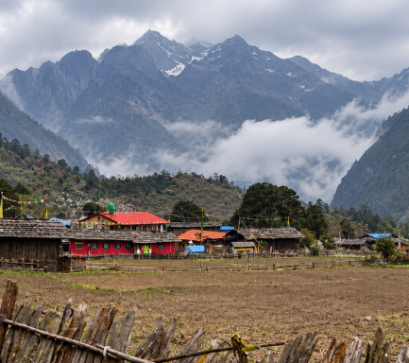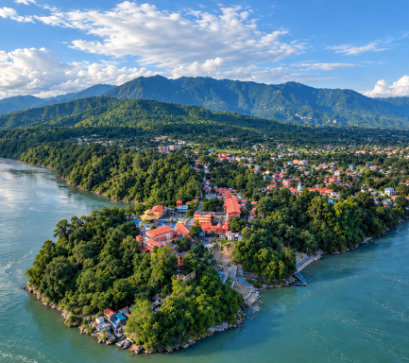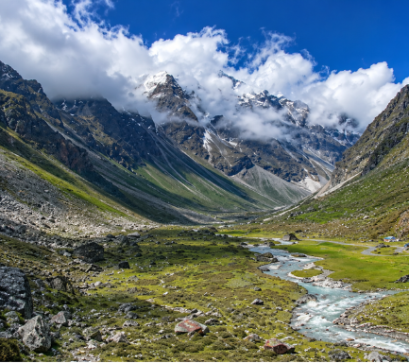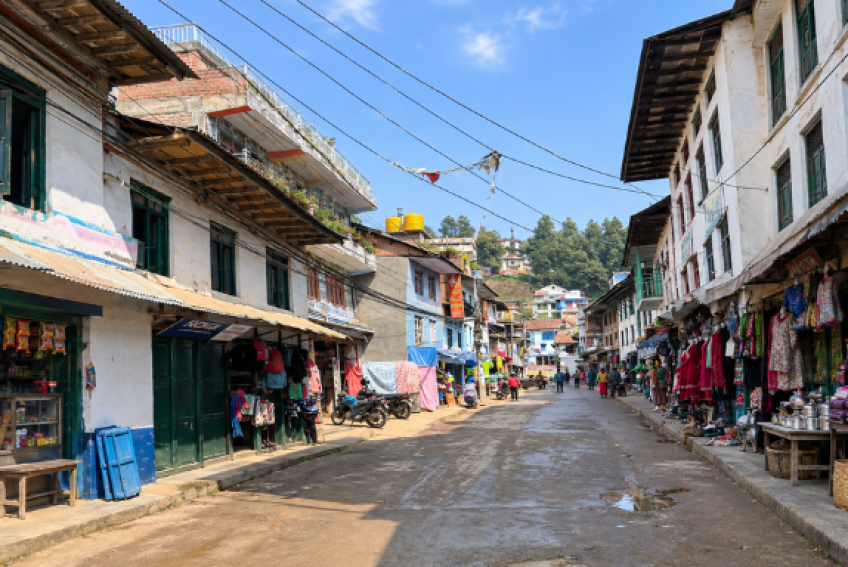
Nestled among the green hills of Koshi Province, Bhojpur Bazaar is one of eastern Nepal’s historic market towns, known for its traditional khukuri craftsmanship, rich Kirat Rai culture and peaceful surroundings. Located at an elevation of approximately 1,600 metres, the district headquarters offers visitors a chance to discover a different side of Nepal, where skilled artisans, old trading settlements and local traditions remain part of everyday life.
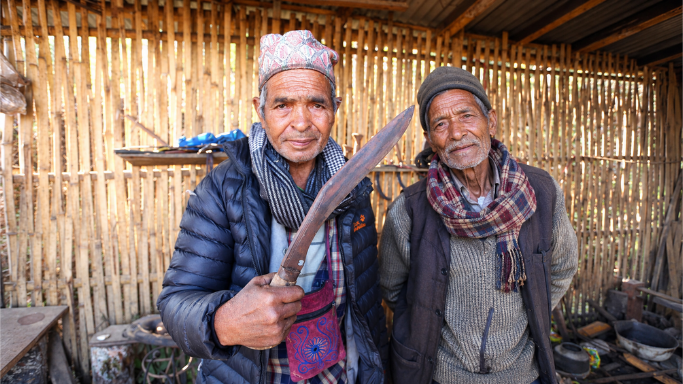
Bhojpur is particularly famous for the Bhojpure Khukuri, a traditional curved knife handcrafted by local blacksmiths. For generations, artisans have shaped, heated and hammered steel to produce blades valued for their strength, design and cultural significance.
Visitors can explore local metalworking workshops and discover the craftsmanship behind these iconic Nepali knives. Traditional metal vessels, including karuwa, are another important part of the region’s artisan heritage. However, shortages of skilled workers and declining interest among younger generations are threatening this traditional industry.
A visit to Bhojpur is incomplete without exploring Taksar Bazaar in Bhojpur Municipality Ward 12.
Taksar became an important metal-processing centre around 1870 B.S. and began minting traditional doli paisa coins in 1872 B.S. Artisans from Patan helped establish its metalworking tradition, contributing to the town’s development as a commercial and industrial centre.
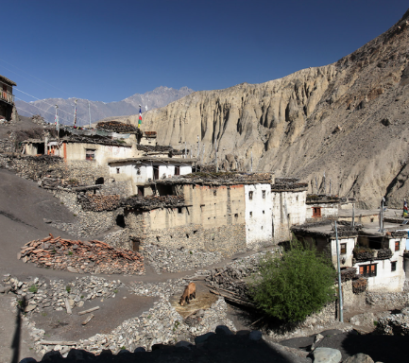
Today, Taksar’s historic buildings, temples and Buddhist monasteries reflect its former prosperity. However, migration and declining economic activities have raised concerns about preserving this remarkable settlement.
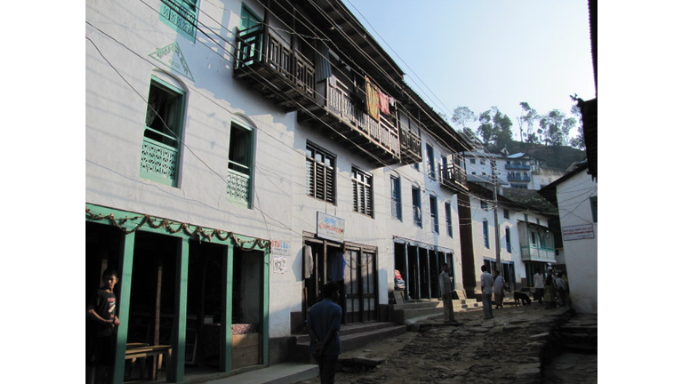
Bhojpur is closely associated with the Kirat Rai community, whose cultural traditions, festivals and Sakela dances contribute to the district’s identity.
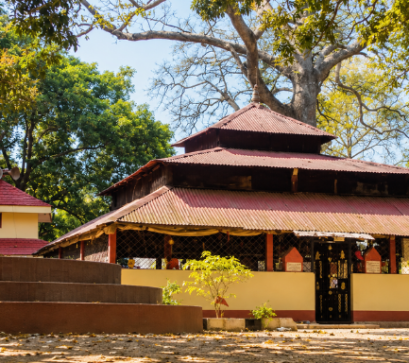
Travellers can explore Bhojpur Bazaar, visit Siddhakali Temple and experience the surrounding terraced hillsides. Beyond the town, destinations such as Temke Danda, Salpa Pokhari and the Mundum Trail offer opportunities for hiking, cultural exploration and mountain views.
According to Nepal’s 2021 National Population and Housing Census, Bhojpur District has 157,923 residents across 38,631 households, reflecting its relatively small hill-district population.
Bhojpur is accessible by road through Dharan, Dhankuta, Hile and Leguwa. Bhojpur Airport at Taksar also serves the district, although travellers should confirm flight availability before planning their journey.
The autumn months from September to November and spring months from March to May are generally favourable for exploring the region.
More than a hill market, Bhojpur Bazaar is a living reminder of Nepal’s craftsmanship and cultural history. For travellers seeking heritage, authentic local experiences and quieter destinations, Bhojpur deserves a place on the travel itinerary.