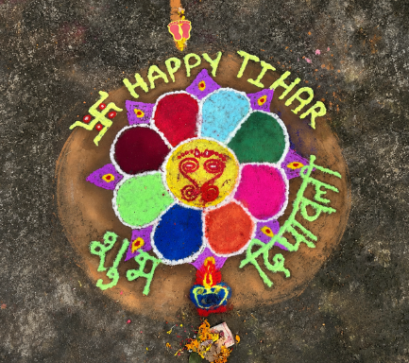
As Tihar approaches, the streets of Kathmandu begin to take on a festive mood. Jewellery shops welcome eager buyers, metal utensils fill market stalls, and families prepare their homes for the festival of lights. At the heart of these preparations is Dhanteras, an auspicious Hindu occasion that celebrates prosperity, good health and new beginnings.
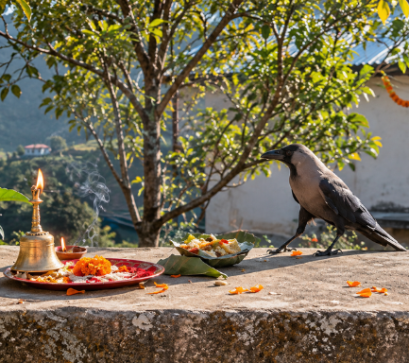
In 2026, Dhanteras falls on Friday, November 6 (Kartik 20, 2083 BS), marking the beginning of Yamapanchak. According to the Nepal Calendar Determination Committee, Kaag Tihar follows on November 7.
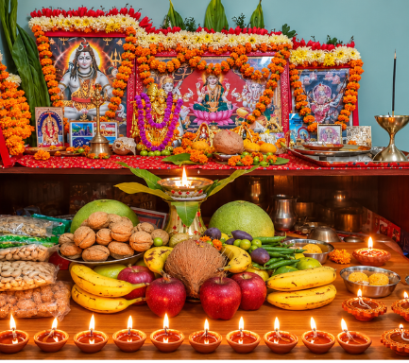
Also known as Dhantrayodashi, Dhanteras falls on the thirteenth lunar day of the dark fortnight of Kartik. The occasion honours Goddess Lakshmi, associated with wealth, Lord Kubera, associated with prosperity, and Lord Dhanvantari, revered for his connection with Ayurveda and healing.
According to Hindu mythology, Lord Dhanvantari emerged during Samudra Manthan, the churning of the cosmic ocean, carrying a vessel of amrit, or nectar of immortality. This traditional story connects Dhanteras with the belief that good health is as valuable as material wealth.
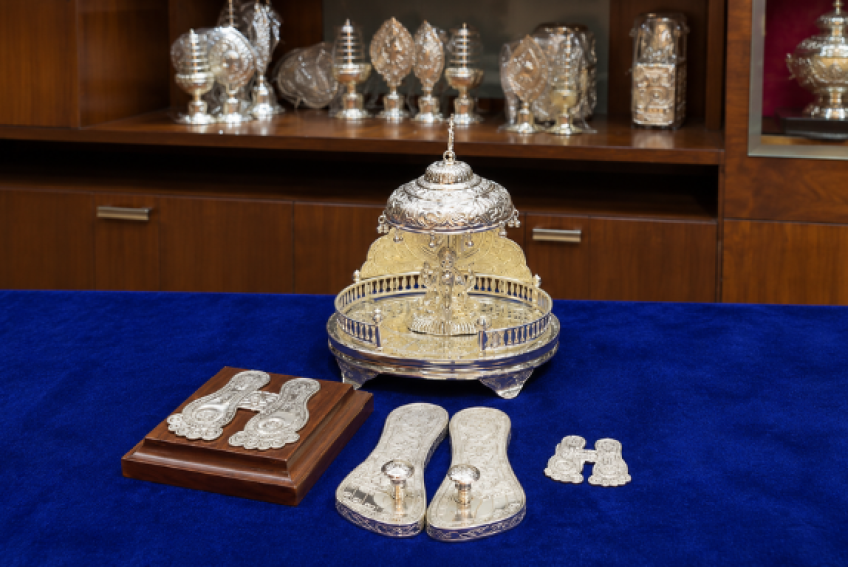
Buying gold, silver, copper and household utensils is among the most recognisable Dhanteras traditions in Nepal. Families believe bringing home something new on this occasion invites good fortune.
The tradition also has a measurable economic impact. According to the Federation of Nepal Gold and Silver Dealers' Association, approximately 80 kilograms of gold and 1,500 kilograms of silver were sold across Nepal during Dhanteras in 2025, despite historically high gold prices.
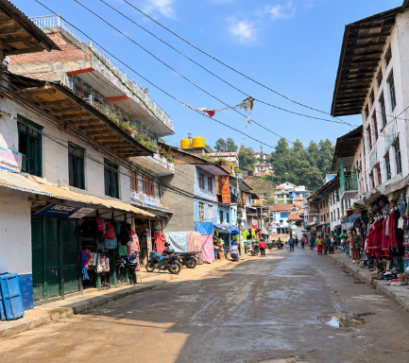
Kathmandu's New Road and Asan markets are popular shopping areas during the festive season. Yet prosperity does not always mean an expensive purchase. For many households, even a simple brass vessel or small silver item carries symbolic importance.
Beyond shopping, Dhanteras has a spiritual connection with protection and longevity.
During Yamadeep Daan, families traditionally light an oil lamp near their entrance in honour of Yama, the Hindu deity associated with death. According to religious belief, the ritual seeks protection from untimely death and misfortune.
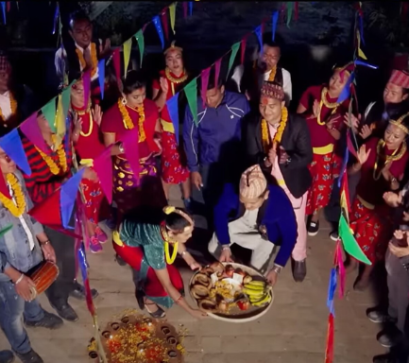
The glowing lamps also introduce the atmosphere of Tihar, when homes are decorated with lights and flower garlands.
Dhanteras in Nepal is not simply about purchasing precious metals. It is about appreciating what families already have while welcoming new beginnings.
Whether through a gold ornament, a household utensil or a quietly burning lamp, the celebration carries a timeless message: true prosperity includes health, security, gratitude and family well-being.