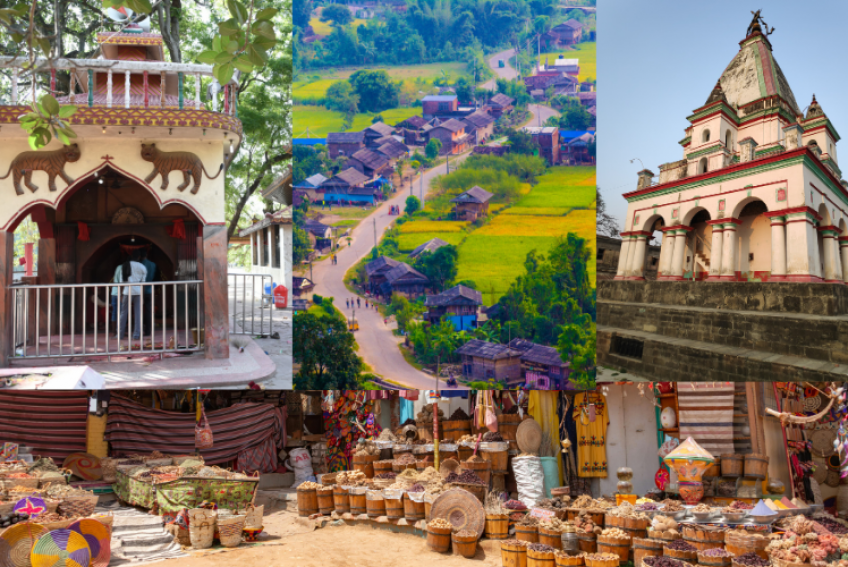
Bara District, located in Nepal’s fertile Terai plains of Madhesh Province, offers travellers a compelling blend of ancient history, living traditions, spiritual landmarks and rich natural landscapes. Though widely known for the Gadhimai area, Bara’s identity extends far beyond a single festival revealing layers of medieval heritage, sacred sites, wildlife corridors and vibrant local life.
1. Gadhimai Temple, Bariyarpur
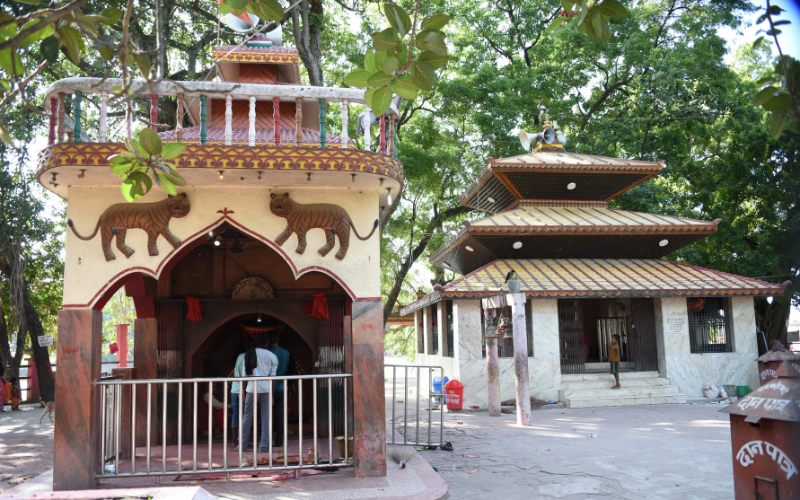
The Gadhimai Temple in Bariyarpur is one of the most significant religious sites in southern Nepal. Dedicated to Goddess Gadhimai, revered as a symbol of power and protection, the temple attracts pilgrims from Nepal and neighbouring India throughout the year.
Every five years, the area becomes the focal point of the Gadhimai Mela, one of the largest religious gatherings in South Asia. In recent years, the festival has undergone major reforms, with increasing emphasis on symbolic worship, prayer, community rituals and non-violent offerings, reflecting changing social awareness and religious practice.
Traveller note: Even outside festival periods, the temple complex remains an important spiritual destination and can be visited respectfully year-round.
2. Simraungadh: Capital of the Ancient Tirhut Kingdom
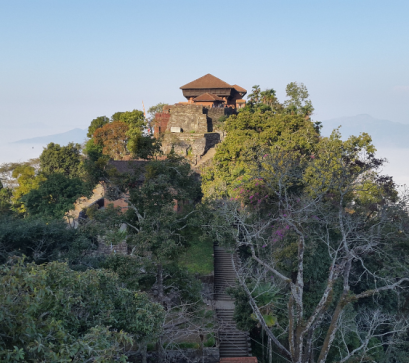
One of Bara’s greatest historical treasures is Simraungadh, the former capital of the Karnata (Tirhut) Kingdom, which flourished between the 11th and 14th centuries.
The site contains scattered remains of:
These ruins reflect the region’s once-flourishing political power, advanced urban planning and strong cultural links with Mithila and northern India. Though largely unexcavated, Simraungadh remains one of Nepal’s most important medieval archaeological landscapes.
3. Sacred Temples of Bara
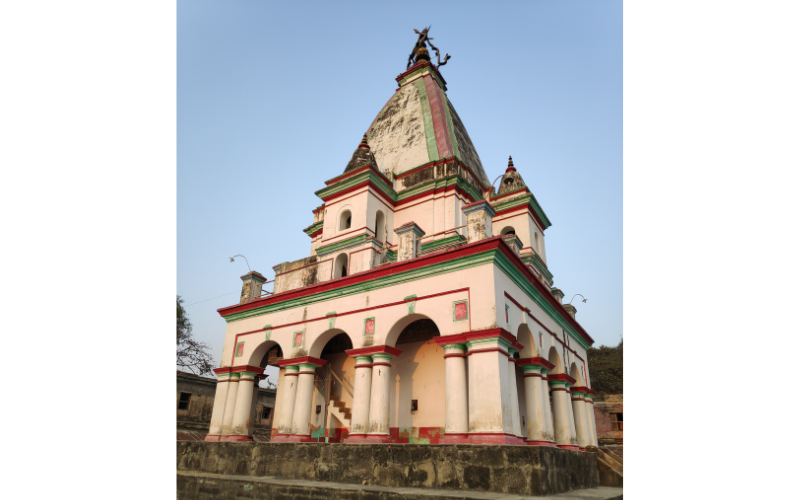
Bara’s religious heritage reflects centuries of Hindu devotion intertwined with local belief systems.
Key temples include:
Sahajnath Temple (Katghat Shiv Mandir)
Located near Nijgadh, this tranquil Shiva shrine draws large numbers of devotees during Shivaratri and the holy month of Saavan.
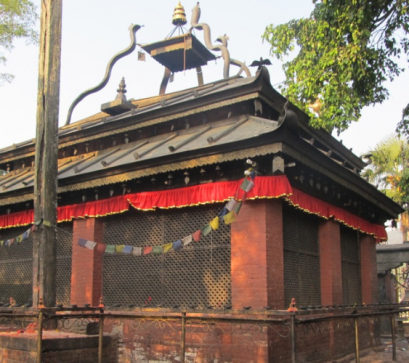
Kankali Mai Temple, Simraungadh
A historic Shakti shrine associated with the Karnata period, particularly vibrant during Dashain, Ram Navami and local fairs.
Raniwas Temple Complex
Believed to date back to royal times, the temple area features ancient statues, carved stones and architectural remnants linked to regional dynasties.
These sacred sites offer travellers meaningful insight into the spiritual geography of the Terai.
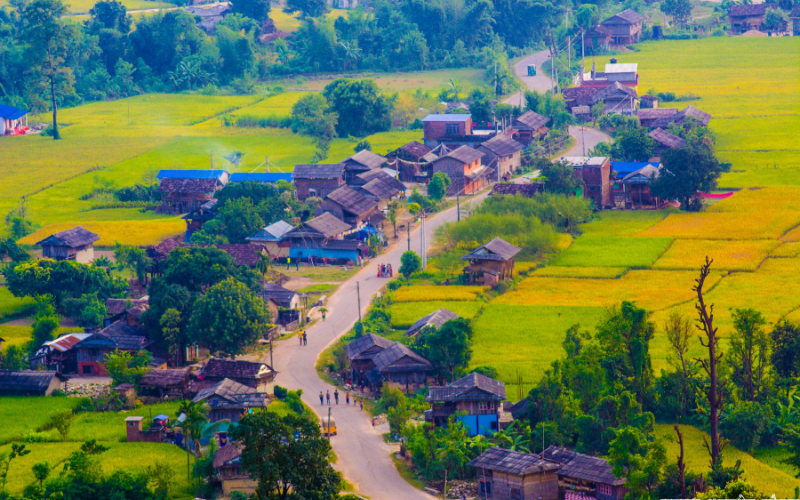
4. Simara Park and Local Recreation
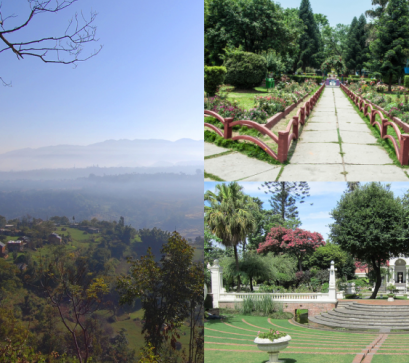
Located near Simara Bazaar, Simara Park provides a peaceful green space popular with local families. With shaded walking paths and landscaped grounds, it offers a pleasant break for travellers exploring the area.
While modest in scale, the park reflects the everyday leisure culture of the Terai and is ideal for short walks and photography.
5. Wildlife and Nature Exploration
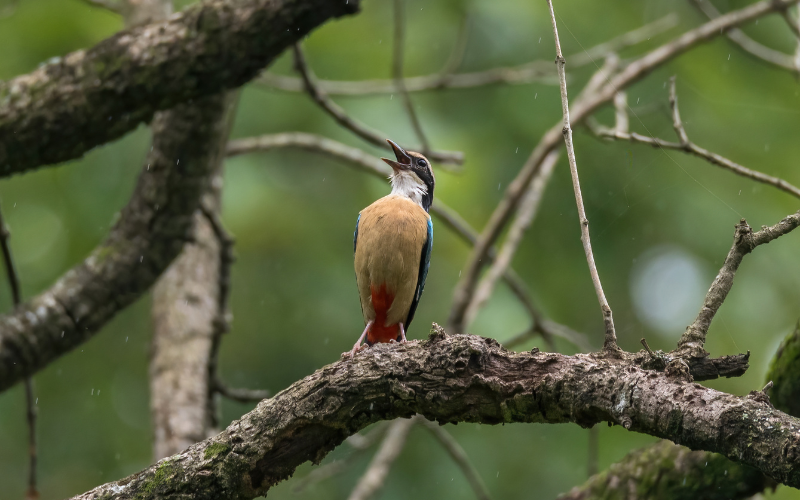
Bara borders the eastern section of Parsa National Park, one of Nepal’s largest protected areas and a vital extension of the Terai Arc Landscape.
The park is home to:
Guided jungle safaris, birdwatching excursions and nature walks (in designated buffer zones) are possible through authorised operators, particularly during the cooler months.
Best season: October to March offers the most comfortable conditions for wildlife observation.
6. Kalaiya Bazaar: Heart of Local Life
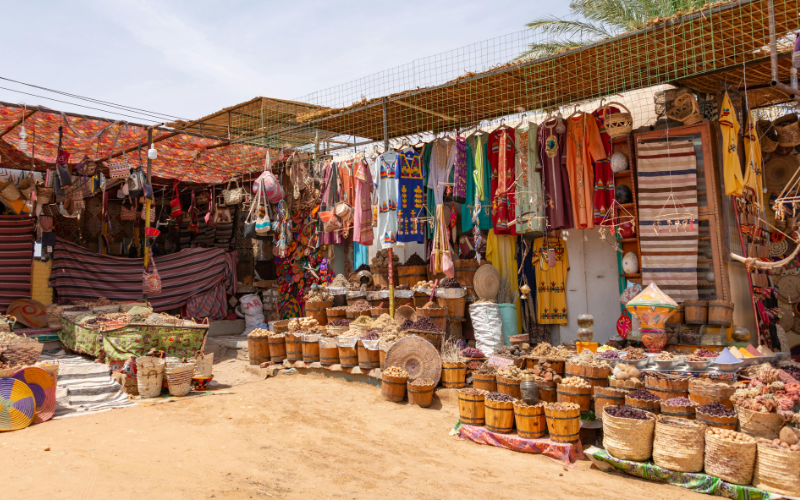
Kalaiya, the district headquarters of Bara, is a lively Terai town where daily life unfolds through colourful markets and busy streets.
Travellers can explore:
A stroll through Kalaiya offers an authentic glimpse into the rhythm of southern Nepal.
7. Village Experiences and Indigenous Culture
Rural Bara is home to diverse communities, including Tharu and Madheshi groups, whose traditions remain deeply connected to agriculture and the land.
Community-based village visits and homestays, where available allow travellers to experience:
These encounters provide meaningful cultural exchange while supporting sustainable rural tourism.
8. Festivals of the Terai
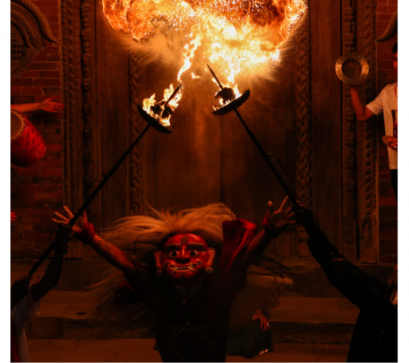
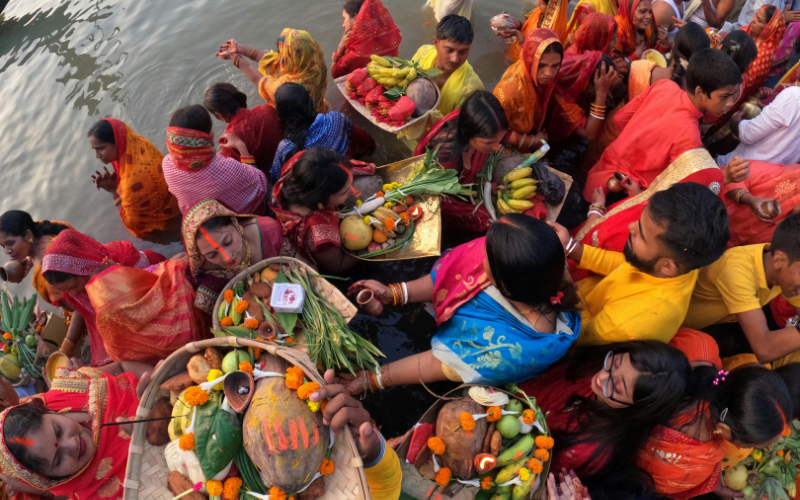
Bara’s cultural calendar is rich and celebratory. Major festivals include:
Festivals offer travellers a powerful way to witness the Terai’s communal spirit and devotional traditions.
Practical Travel Information
Getting There:
Bara lies approximately 160 km south of Kathmandu. The district is accessible by:
Best Time to Visit:
Often overlooked by mainstream tourism, Bara offers a deeply rewarding journey into Nepal’s Terai civilisation where ancient kingdoms, spiritual traditions, wildlife corridors and everyday local life coexist.
For travellers seeking authentic culture, historical depth and off-the-beaten-path exploration, Bara stands as one of southern Nepal’s most compelling destinations.
PC: Wikimedia Commons, Rajesh Dhungana, Pexels
Also Read