Often overshadowed by Nepal’s better-known tourist hubs, Gorkha is a destination where history, culture and mountain landscapes come together in compelling harmony. Located in central Nepal, between Kathmandu and Pokhara, Gorkha is not only the birthplace of the Shah dynasty and the legendary Gorkhali warriors, but also a rewarding travel destination rich in heritage, spirituality and natural beauty.
A Cradle of Nepal’s History
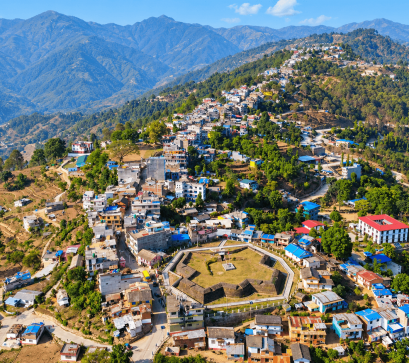
Gorkha holds a defining place in Nepal’s national story. It was from here that King Prithvi Narayan Shah launched the unification of Nepal in the 18th century. Standing proudly atop a steep ridge, Gorkha Durbar remains the district’s most iconic landmark. The palace-fortress offers sweeping views of the Himalaya and surrounding hills, while its stone pathways and shrines echo centuries of political and military history.

Spiritual Heartland
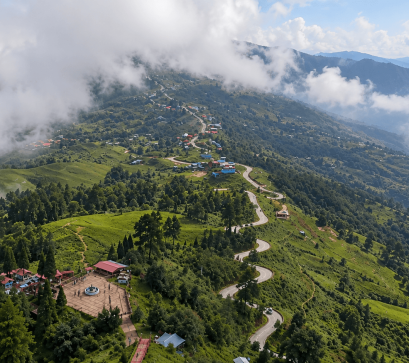
Gorkha is also deeply spiritual. Adjacent to the durbar complex lies the revered Gorakhnath Temple, dedicated to the saint after whom Gorkha is believed to be named. Nearby, Manakamana Temple, one of Nepal’s most important Hindu pilgrimage sites, draws devotees from across the country. Reached by cable car or traditional trails, the temple combines religious devotion with panoramic mountain scenery.
Gateway to the Himalaya
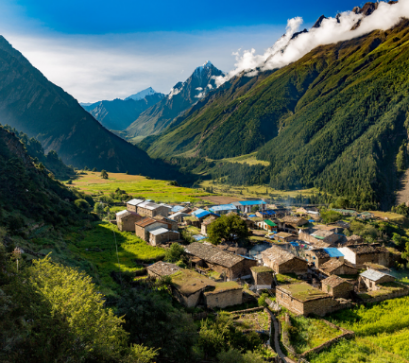
Beyond its historical significance, Gorkha serves as a gateway to some of Nepal’s most scenic trekking routes. The Manaslu Circuit Trek, one of the country’s finest off-the-beaten-path adventures, begins in the region. With views of Mount Manaslu (8,163m), the world’s eighth-highest peak, the area appeals to trekkers seeking raw landscapes, Tibetan-influenced culture and quieter trails.
Culture, Villages and Local Life
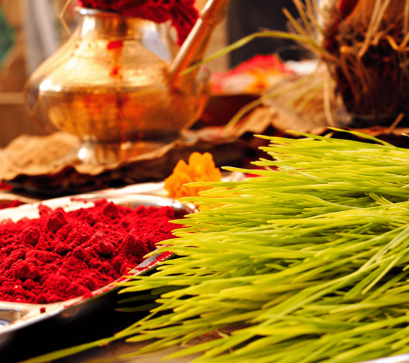
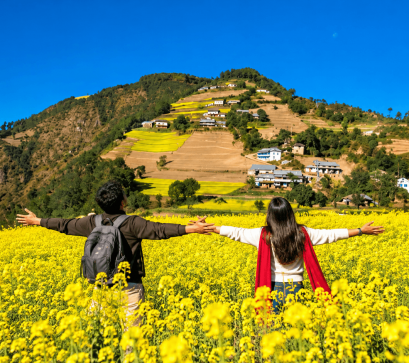
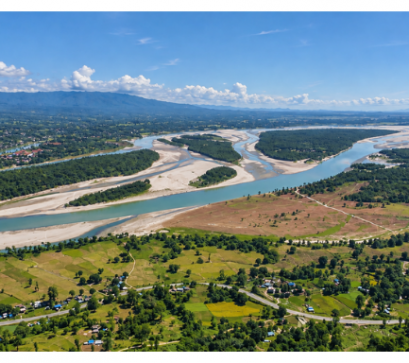
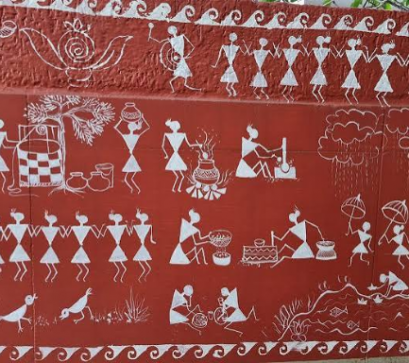
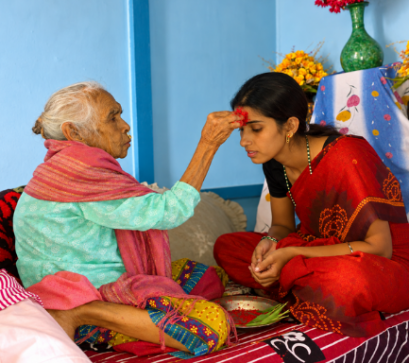
Travelling through Gorkha offers insight into rural Nepali life. Traditional villages, terraced fields and warm hospitality define the landscape. Ethnic communities including Gurung, Magar and Newar groups contribute to the region’s rich cultural tapestry, reflected in local festivals, cuisine and architecture.

When to Visit Gorkha
The best time to visit Gorkha is spring (March to May) and autumn (September to November), when clear skies reveal Himalayan vistas and temperatures remain pleasant. Monsoon months bring lush greenery but can make travel more challenging, while winter offers crisp views with fewer visitors.
Why Gorkha Deserves a Place on Your Itinerary
Gorkha is more than a historical footnote, it is a living destination where Nepal’s past and present intersect. For travellers seeking authentic experiences, fewer crowds and meaningful connections to the country’s heritage, Gorkha offers a deeply rewarding journey.
From royal palaces and sacred temples to Himalayan trails and timeless villages, Gorkha invites travellers to explore the roots of Nepal itself.
PC: Wikimedia Commons
Also Read