

 Source::
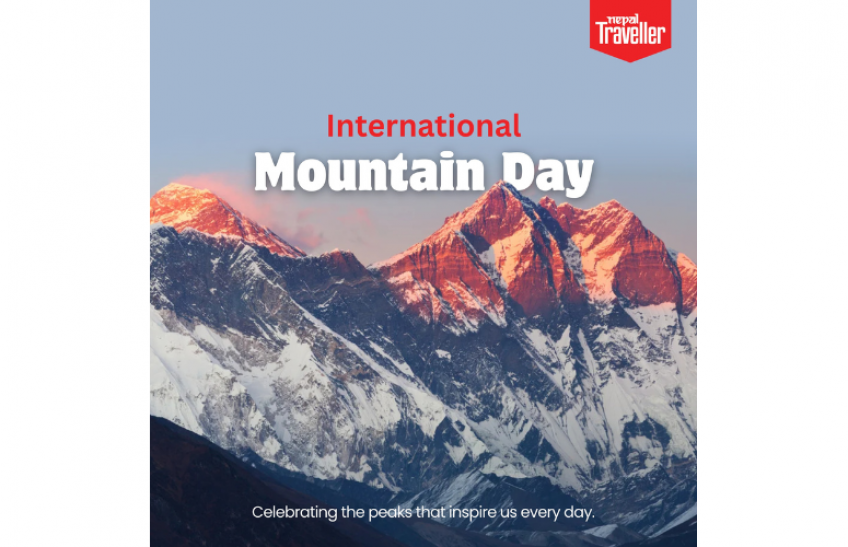
Every year on 11 December, countries around the globe observe International Mountain Day, a United Nations-designated occasion that highlights the essential role mountains play in sustaining life on Earth. First celebrated in 2003, the day aims to raise awareness of the importance of mountain ecosystems, promote sustainable development, and support the communities who depend on these remarkable landscapes.
Why Mountains Matter
The World’s Water Towers
Mountains are often referred to as the planet’s “water towers”, supplying freshwater to around half of humanity. Snow, glaciers and high-altitude rainfall feed major rivers that provide drinking water, irrigation and hydropower to billions. Without healthy mountain ecosystems, water insecurity becomes a global threat.
Centres of Biodiversity
Mountain regions are home to some of the world’s richest biodiversity. Approximately half of all global biodiversity hotspots are located in or include mountain areas. These regions host unique plant and animal species that have adapted to their harsh, varied environments, many of which are found nowhere else on Earth.
Homes and Heritage
Although rugged and remote, mountains are home to approximately 1–1.2 billion people, representing around 15% of the world’s population. Many of these communities are Indigenous peoples with deep cultural, spiritual and historical ties to their landscapes. Their knowledge is vital for conservation and climate resilience.
Economic Lifelines
Mountains support key global industries, including:
Agriculture — such as coffee, cocoa, tea and potatoes
Forestry
Tourism and outdoor recreation
Mining
Millions of people worldwide rely on these resources for their livelihoods.
Mountains Under Threat
Despite their significance, mountain ecosystems are increasingly vulnerable:
Climate change is affecting mountain regions at faster rates than lowland areas. Glaciers are retreating, altering river flows and threatening water supplies.
Biodiversity loss is accelerating due to habitat degradation and rising temperatures.
Natural hazards, such as landslides and avalanches, are becoming more frequent.
Mountain communities often face poverty, isolation and limited access to essential services.
Protecting mountains is therefore critical not only for those who live in them, but for the billions who depend on the resources they provide.
Theme of International Mountain Day 2025: “Glaciers matter for water, food and livelihoods in mountains and beyond”
The official theme for International Mountain Day 2025 emphasises the vital role glaciers play in regulating freshwater supplies, supporting food production and sustaining the wellbeing of mountain communities and downstream populations. As climate change accelerates glacier melt, the need for global action becomes increasingly urgent.
How We Can Make a Difference
Choose Sustainable Tourism
When visiting mountain regions, opt for environmentally responsible practices and respect local cultures.
Support Conservation Efforts
Donate to or volunteer with organisations dedicated to protecting mountain habitats, species and watersheds.
Empower Mountain Communities
Support fair-trade products from mountain regions and encourage policies that prioritise sustainable development.
Spread Awareness
Engage in educational activities, social media campaigns or local events to mark International Mountain Day.
A Shared Responsibility
International Mountain Day is a reminder that mountains matter — to our water, our climate, our food systems and our cultural heritage. Their protection is a shared responsibility. Whether we live in the shadow of towering peaks or far from any mountain range, we all have a part to play in safeguarding these invaluable landscapes for generations to come.
Also Read