 Source::
Suresh Singh Budal
Kathmandu
The global outbreak of COVID-19 pandemic and subsequent global lockdown has challenged all of us in unimaginable ways. In particular, the travel and tourism industry has come to a complete halt for the past four months now. Some countries have reached the peak, and rebooted their internal and cluster tourism activities whereas others are cautiously observing and considering reopening. It is clear that the majority of countries around the world are currently easing their lockdowns and travel restrictions by introducing and imposing necessary health and safety guidelines, the world today is striving to restart tourism.
Nepal is one of the most resilient destinations and the recently released ‘Operational Guidelines’ encourage industry stakeholders to gear up for restarting tourism.
But, "Protocols and Guidelines" are not sufficient, particularly in this new normal, when travelers are very selective and sensitive about their preferred destinations whose fate will be based upon preparedness and management efficiency, building the travelers' confidence.
We are moving slower than other destinations and we are unable to give a clear picture in terms of decision making for tourism survival as well as revival strategies. Here are the top 5 things we should do to get tourism moving again:
The practical and effective implementation of Protocols/ Guidelines must be the top priority at the moment, which calls for the Human Capacity Building Training Programs to upgrade and strengthen the skills and capacity of human resources in the industry at large.
We can only ensure Nepal's preparedness and effectiveness to operate with trained human resources in tourism services.
Many countries and destinations have signed up for the global safety and hygiene stamp ("Safe Travels") launched by the World Travel & Tourism Council (WTTC).
Similarly, the government/destination authorities of Nepal should introduce its Certification Program or, Safety Stamp for Hotels, Restaurants, Airlines, Transport, Rentals, and other service providers that comply with the standardized hygiene and safety protocols, which in turn will enhance the confidence of travelers.
It also needs periodic monitoring and control mechanism, which can be a task force involving the Ministry, the Tourism Board, Tourist Police, and any other relevant authorities in the destination.
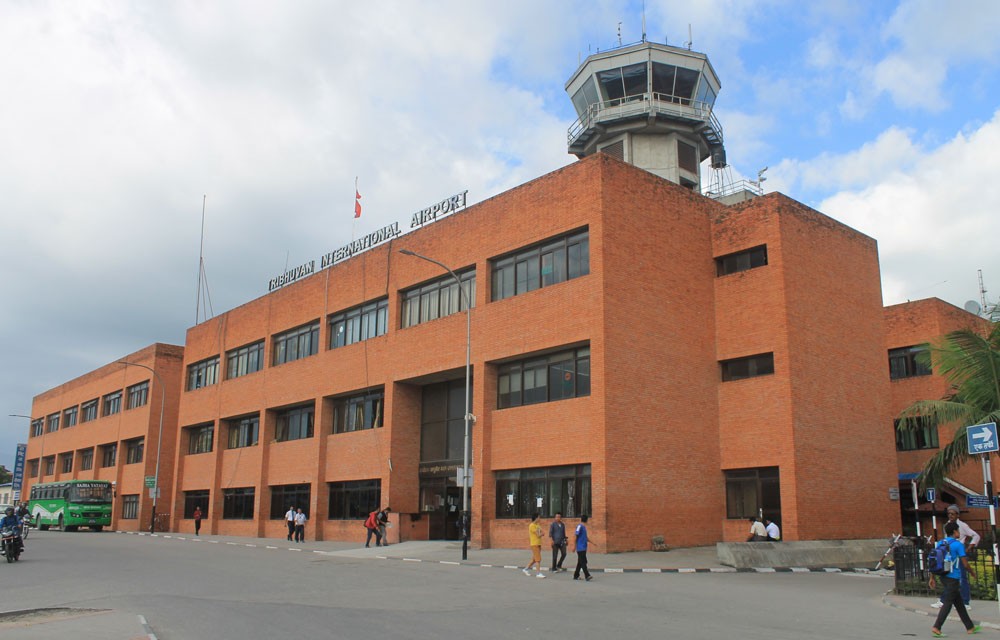
Having all safety and hygiene protocols in place, the restart of aviation would be the gateway to restarting tourism or the tourism recovery. With experience of many successful repatriation flights to and from Tribhuwan International Airport, we are now practically assured and pretty much ready for the resumption of domestic flights, and we could gradually and systematically resume regional and international flights with favorable circumstances and anticipated demand in the market. So, the Civil Aviation Authority of Nepal needs to align the needful modality in this regard.
Easing of travel restrictions are fundamentals towards restarting tourism, but it would require thoughtful decision making with appropriate measures to control the spread of COVID-19 that travelers must take into consideration. Meanwhile, easing travel formalities such as Visa upon arrival (e-visa), Easy and Seamless check-ins, and check-outs upon Arrival and Departures, etc. would be very convenient and encouraging to travelers. Therefore, Nepal should act now on the modality for easing travel restrictions and formalities.
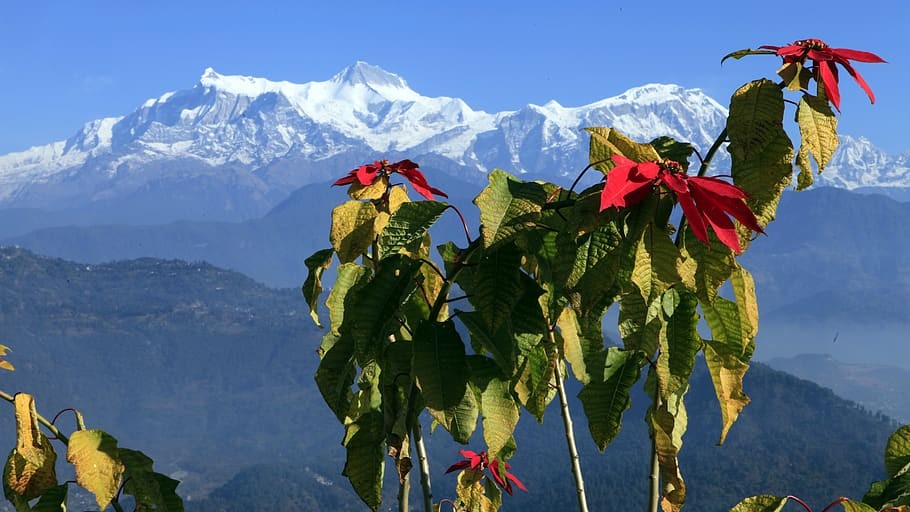
Destination Nepal should be more visible in source markets with the latest updates and the wonders to inspire people during the crisis phase and invite them to visit later. For the time-being, Nepal could focus on disseminating regular or periodic Travel Information updates through key national and international media channels, social media / digital marketing channels, and partner media houses, organizations and platforms associated with the Nepal Tourism Board.
Promotion through videos showcasing Nepal's preparedness, willingness, and determination to welcome tourists in the new normal ensuring safety and hygiene standards.
Appointing and engaging Natural Ambassadors (Friends of Nepal) at different source markets to share positive stories, progress updates, preparedness, and offerings by the destination. These could be international travel bloggers / media personalities, celebrities, big international outbound tour operators, international PRs, NRNs or Nepali diaspora overseas and so on.
Having said all of the above, I feel this crisis has given us a special opportunity to reboot our tourism with overall policy reforms and best strategies to address the future of travel and tourism in Nepal.
It would, of course, require strong will power and intrinsic motivation with the leadership and authorities at the forefront. More than ever, we need to work together with more collaborations and partnerships among all the stakeholders at different levels including; Government bodies, NTO/Associations, private sector business companies, and local communities in the country, as well as in the regional and international source markets.
The author is the CEO-PATA Nepal Chapter | PATA Face of the Future 2020