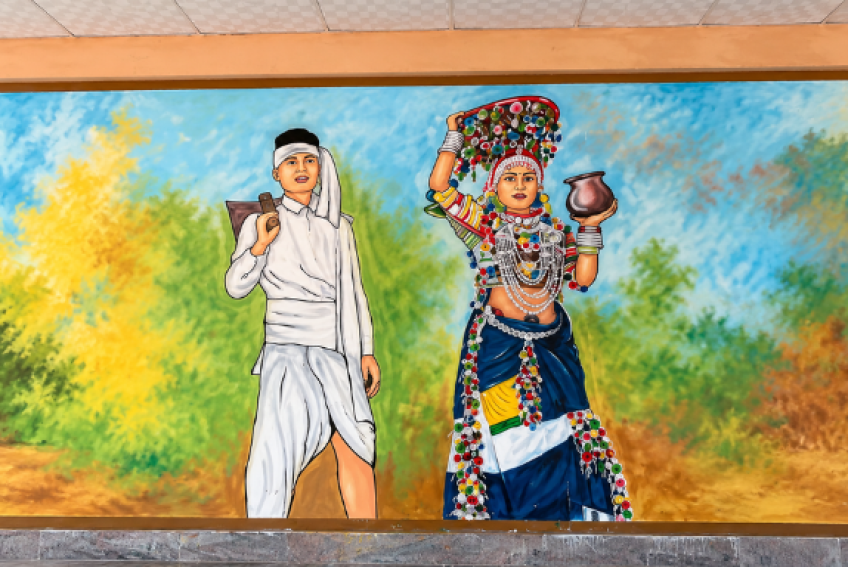
Far-western Nepal is often celebrated for its national parks, wildlife and untouched landscapes. Yet, beyond these natural attractions, the Rana Tharu villages of Kailali and Kanchanpur offer something equally fascinating: an opportunity to experience one of Nepal's distinctive indigenous cultures.
Located in the fertile Terai plains of Sudurpashchim Province, these villages invite travellers to discover traditional architecture, local food, colourful clothing and community celebrations that have survived generations.
A visit to a Rana Tharu settlement introduces travellers to a lifestyle closely connected with nature and agriculture. Traditional houses, built using mud, bamboo and thatch, reflect generations of local knowledge and are designed to suit the Terai's climate.
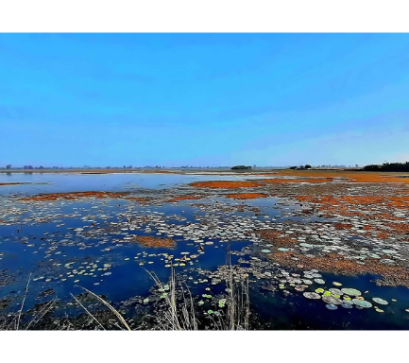
Surrounding these settlements are agricultural fields where families traditionally cultivate rice, wheat, maize and lentils. Farming remains an important part of the community's identity.
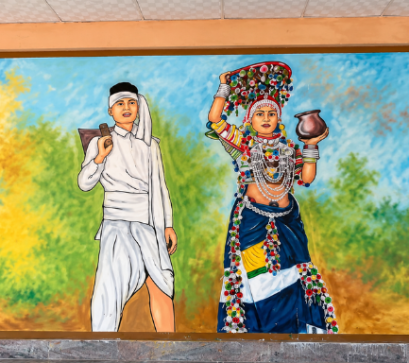
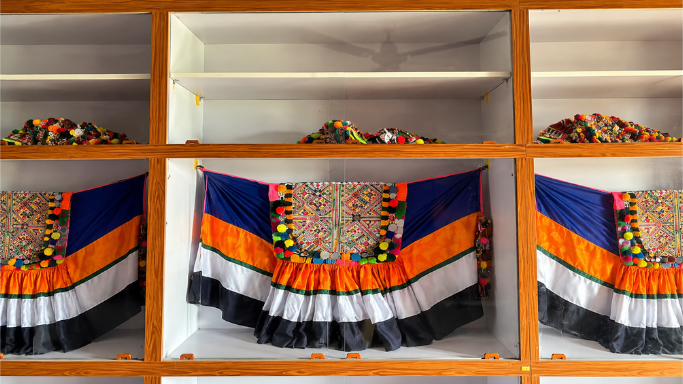
Visitors may also encounter traditional embroidery, weaving and handicrafts, particularly the beautifully decorated Gangriya worn by Rana Tharu women alongside elaborate silver jewellery.
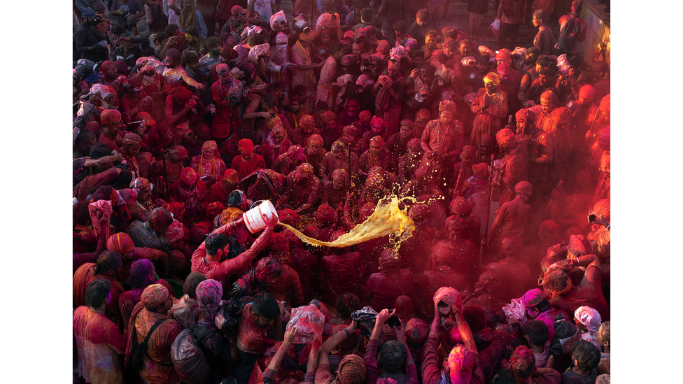
One of the most remarkable reasons to explore Rana Tharu culture is its distinctive celebration of Hori, or Holi. Unlike the shorter celebrations common elsewhere in Nepal, traditional Rana Tharu Hori festivities can extend beyond 38 days, featuring folk songs, traditional dances and community gatherings.
The celebrations include different phases, such as Zinda Hori and Mari Hori, making the festival an extraordinary expression of cultural identity. Other important celebrations include Maghi and Teej, when families gather to observe rituals and strengthen community relationships.
The Rana Tharu cultural landscape is closely connected to Shuklaphanta National Park, one of far-western Nepal's major wildlife destinations.
The historic Rauteli Bichawa area, associated with early Rana Tharu settlements, provides an important connection between indigenous heritage and the region's changing landscape.
Research documents how the expansion of protected areas affected local communities. During relocation in 2001, 1,061 households, including 204 Rana households, were displaced from the studied area.
Today, combining a visit to Shuklaphanta with respectful, locally arranged cultural experiences offers travellers a broader understanding of the region beyond its wildlife.
The real beauty of these villages lies not in grand monuments but in everyday traditions. From agricultural landscapes and traditional homes to folk music and handmade clothing, each experience reveals a different side of Nepal.
For travellers interested in cultural tourism, photography and indigenous heritage, Rana Tharu settlements offer a meaningful addition to a far-western Nepal itinerary.
As tourism expands beyond Nepal's familiar destinations, community-led cultural experiences could help preserve Rana Tharu traditions while supporting local livelihoods.