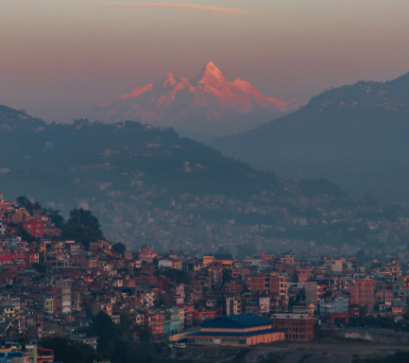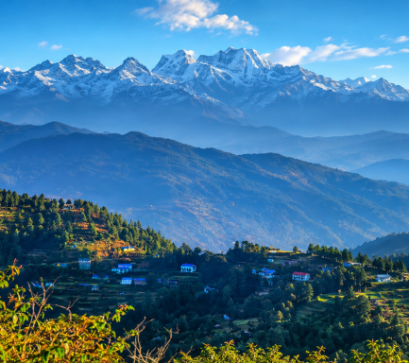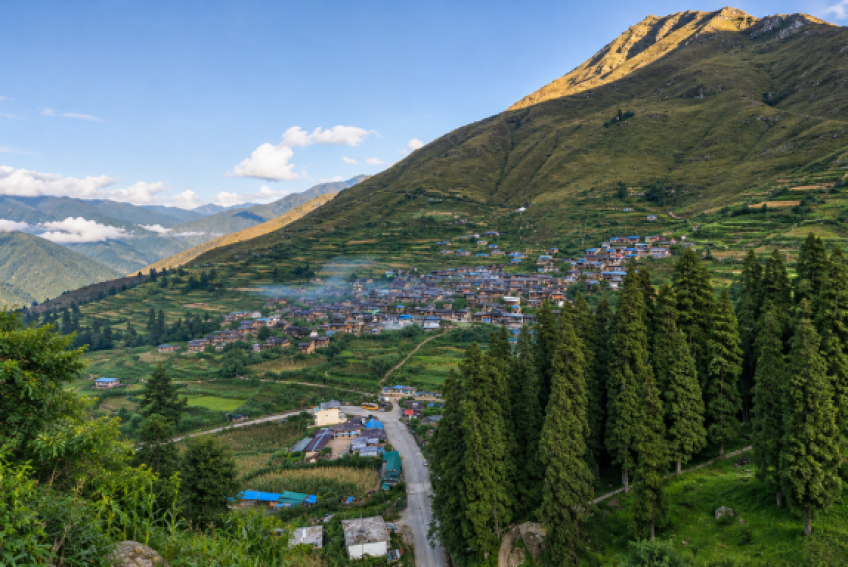
In Lugum Village, Rukum East, the rhythmic beats of dhyangro drums mark a tradition that has survived across generations. Located in Ward No. 1 of Bhume Rural Municipality, this Kham Magar settlement is particularly known for its annual Jhankri Mela, a cultural gathering where traditional shamans celebrate ancestral beliefs and community identity.
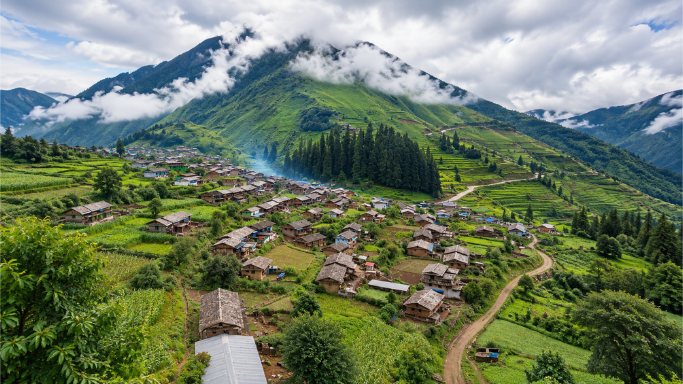
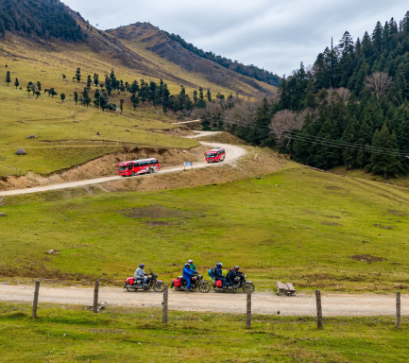
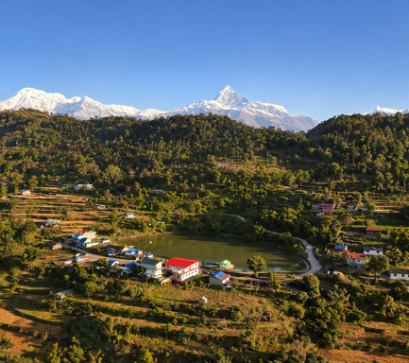
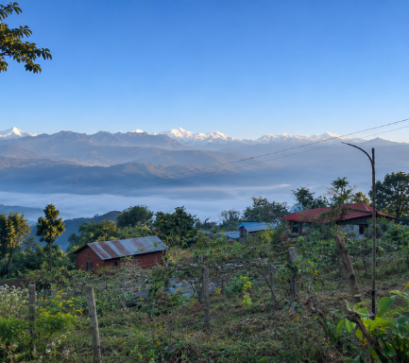
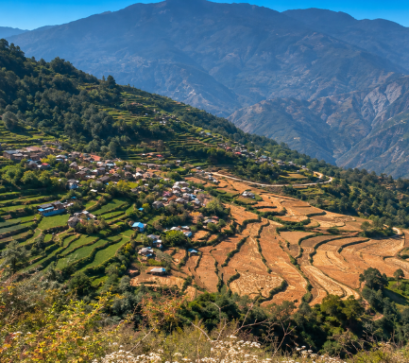
Also known as Lukum, Lugum is a traditional settlement in Nepal's Lumbini Province, where Magar culture remains closely connected to everyday life. Stone-and-mud houses, surrounding hills and traditional community practices give the village its distinctive character.
The Jhankri Mela, also called Jhankri Naach, is associated with the seasonal celebrations of Saune Sankranti, known locally as Tiwār or Rāke Parva.
According to local folklore, the festival commemorates a legendary shaman named Bhairam, who is believed to have protected villagers from harmful supernatural forces. The story remains part of the community's oral heritage rather than a documented historical event.
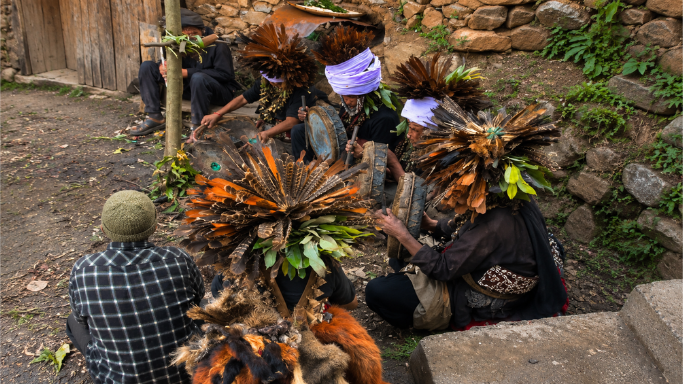
The annual festival brings together traditional shamans, known as jhankris, who perform ritual dances, chants and ceremonies accompanied by dhyangro drums.
Dressed in feathered headpieces, bronze bells and traditional ornaments, the shamans gather in a communal space beneath tall trees. Women also participate as shamans, reflecting the tradition's continuity across generations.
One distinctive practice involves sisno, or stinging nettle. Participants playfully strike one another with nettles, a custom traditionally associated with driving away harmful spirits and misfortune.
For the community, these ceremonies express spiritual beliefs, cultural continuity and collective well-being rather than scientifically established medical treatments.
The festival takes place annually during the first week of Shrawan, usually around mid-July. Its precise date follows local ritual customs and can vary between years. Visitors should confirm the schedule with local organisers before travelling.
Recent reporting has described approximately 70 shamans associated with Lugum, although participation can vary. Beyond the festival, visitors can experience traditional village architecture, Magar cultural practices and the surrounding mountain landscape. Respectful interaction with residents is essential, particularly when observing religious ceremonies or taking photographs.
Lugum offers an important perspective on Nepal's living Indigenous heritage. Its Jhankri Mela connects ancestral beliefs with contemporary community life, allowing younger generations to learn practices passed down by their elders.
As interest in cultural tourism grows, preserving these traditions while respecting local customs could help Lugum share its heritage without losing the community identity that makes it distinctive.