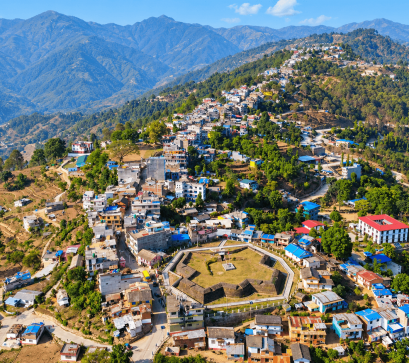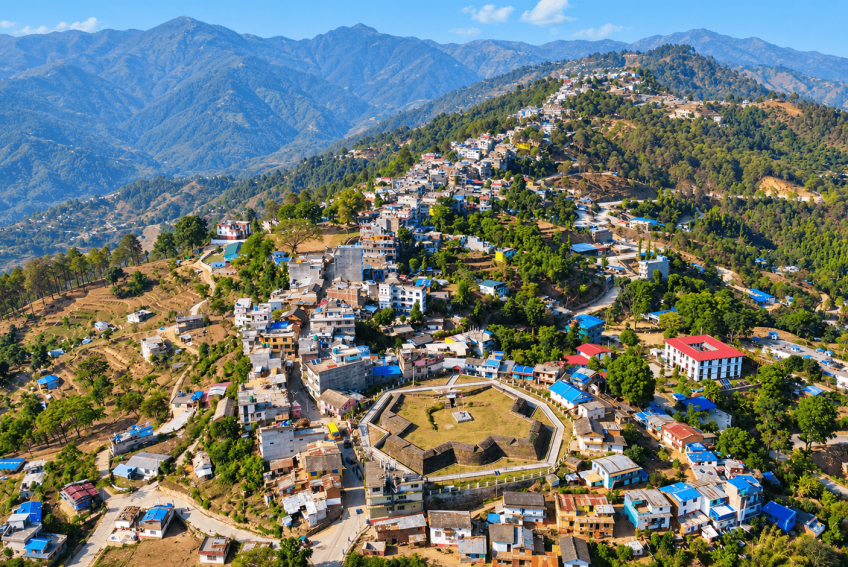
Hidden among the scenic hills of Dailekh District in Karnali Province, Dullu is more than just a municipality; it is a living reminder of Nepal’s ancient history, cultural identity, and linguistic heritage. Once an important political centre of the powerful Khasa Kingdom, Dullu continues to preserve centuries-old temples, stone inscriptions, royal ruins, and traditions that tell the story of Nepal’s remarkable past.
Located approximately 24 kilometres from Dailekh Bazar, Dullu covers 156.77 square kilometres and consists of 13 administrative wards. According to the 2021 National Census, the municipality has a population of 39,143 people living in 9,053 households. Despite its historical importance, Dullu remains one of Karnali’s lesser-explored heritage destinations.
Dullu holds a special place in Nepalese history as the former winter capital of the medieval Khasa Kingdom, which was closely associated with Sinja Valley. Under the rule of King Nagaraja and succeeding dynasties, the region developed into an important centre of administration, culture, and political influence.
One of its most remarkable landmarks is Dullu Darbar, believed to have been constructed around 1396–1397 AD by King Sansari Bamm. The historic palace once featured 18 rooms and 36 intricately carved wooden windows, reflecting the architectural craftsmanship of its time. Although the palace suffered extensive damage during the Maoist insurgency in 2002, its remaining structures continue to symbolise Dullu’s royal heritage.
Beyond its royal history, Dullu is particularly significant for its ancient stone inscriptions. The famous Damupal inscription is associated with the early development of written Nepali, making the region an important destination for historians, researchers, and cultural enthusiasts.
Ancient stone pillars, traditional temples, and archaeological remains scattered throughout the municipality have earned the wider Dailekh region recognition as an open-air museum of history.
Local folklore also adds mystery to Dullu’s identity. One popular belief connects its name to Nagadulo, meaning a snake hole, associated with a mythical underground passage between Baleshwar Shivalaya and Dhuleshwar Mountain.
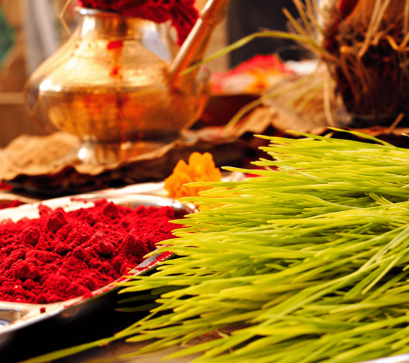
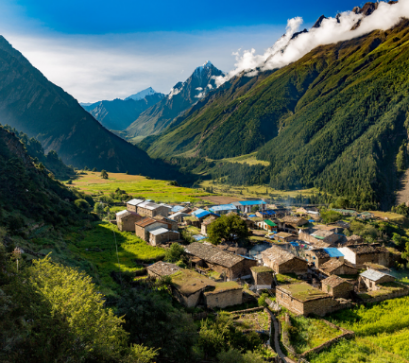
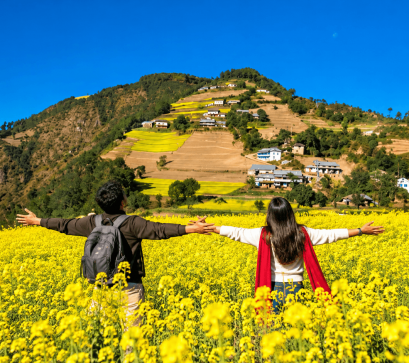
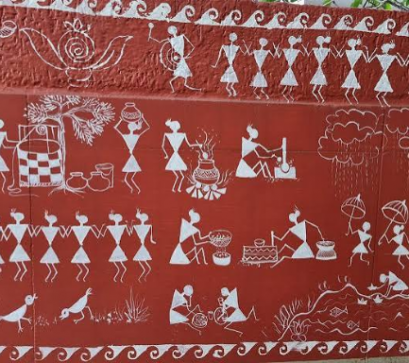
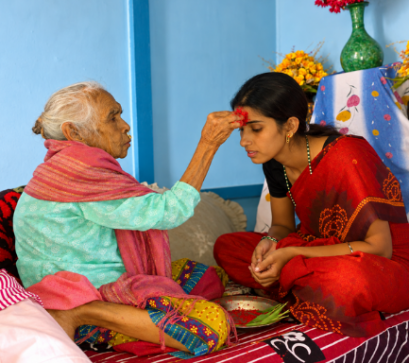
Dullu’s identity extends beyond its monuments. Its traditional settlements, religious practices, agricultural landscapes, and welcoming communities reflect the cultural richness of Karnali. The municipality is predominantly Nepali-speaking, with diverse communities contributing to its social heritage.
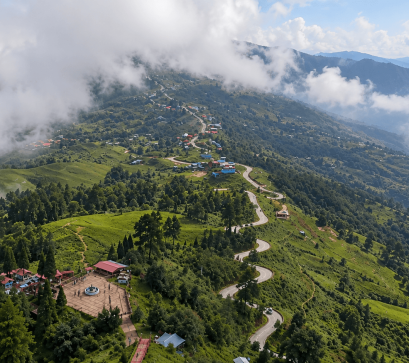
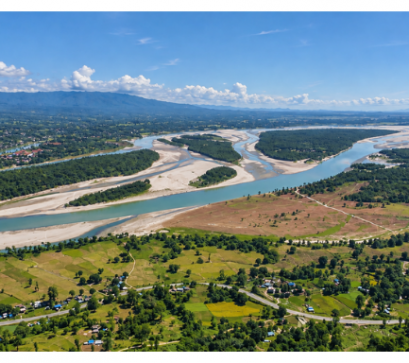
Connected by regional roads, Dullu offers travellers an opportunity to experience history alongside the natural beauty of western Nepal.
As interest in heritage tourism grows, Dullu holds tremendous potential to become one of Nepal’s remarkable cultural destinations. Preserving its ancient monuments, improving visitor facilities, and promoting its historical importance could introduce this overlooked treasure to a wider audience.
Dullu is not simply a place to visit; it is a place where the foundations of Nepal’s history can still be discovered.