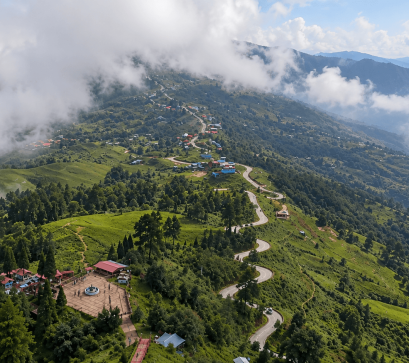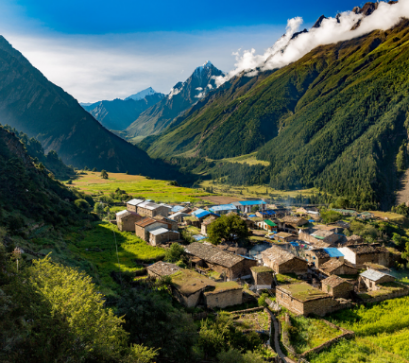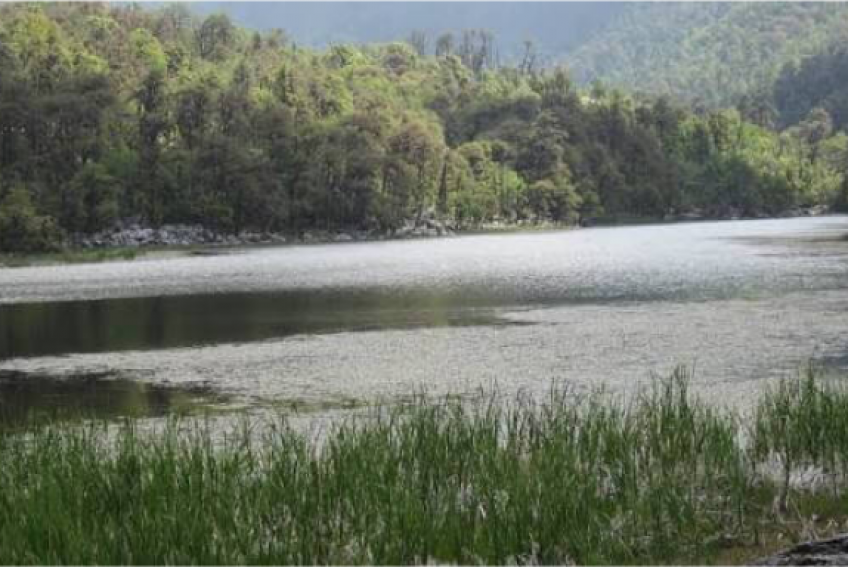
Tucked away in Achham district of Sudurpashchim Province, Ramaroshan is one of Nepal’s most beautiful yet lesser-explored destinations. Popularly known as “Bahra Banda, Athara Khanda,” meaning 12 lakes and 18 meadows, this remarkable landscape offers a refreshing escape from crowded tourist destinations. Situated around 2,500 metres above sea level, Ramaroshan is a paradise of rolling grasslands, peaceful lakes, dense forests, and distant snow-covered mountains.
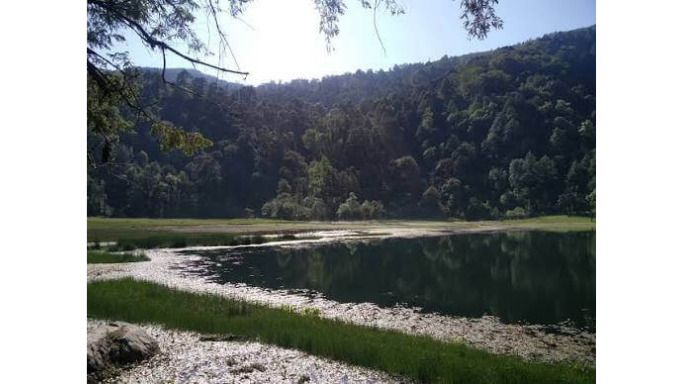
The true beauty of Ramaroshan lies in its extraordinary natural landscape. Among its 12 lakes, Jigale Lake stands out as the largest, recognised for its distinctive shape and tranquil surroundings. The smaller Taule Lake adds to the region’s charm.
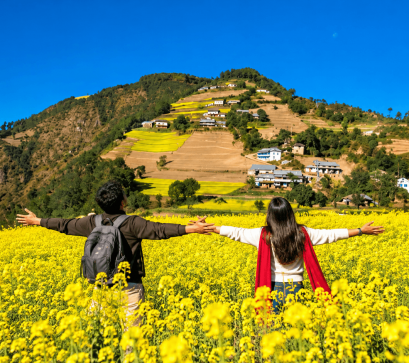
Equally captivating are the 18 expansive meadows, locally called patans. Kinemini Patan, the largest among them, features the flowing Kailash River and vast green pastures where local herders graze their livestock. During spring, blooming rhododendrons and wildflowers transform the landscape into a colourful natural wonderland.
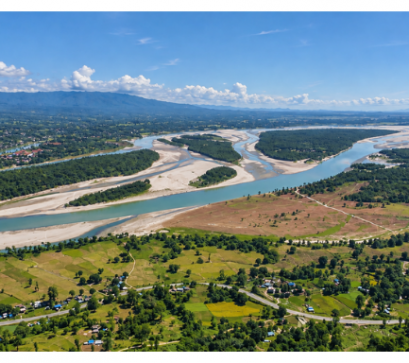
On clear days, visitors can enjoy spectacular views of Mount Api, Mount Saipal, and the Budhiganga River basin.
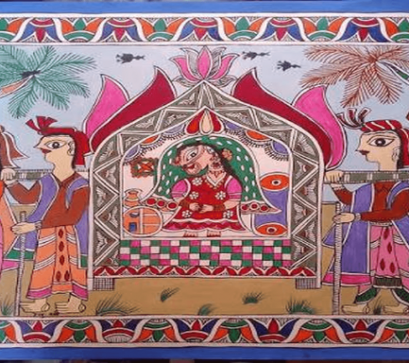
Beyond its natural beauty, Ramaroshan carries deep cultural and spiritual significance. According to local folklore, Lord Shiva and Goddess Parvati once wandered through these peaceful meadows after their wedding. Another legend connects the region with Lord Rama, who is believed to have rested and meditated here.
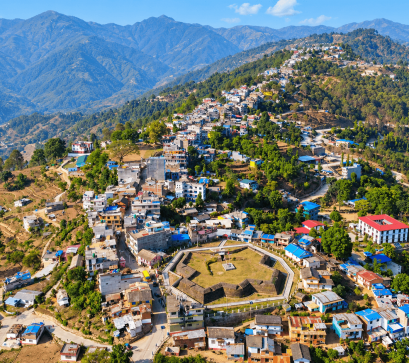
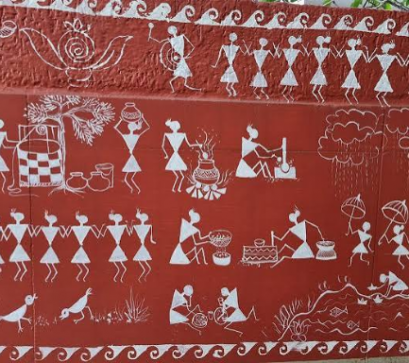
The surrounding villages preserve traditional Achhami culture through local festivals, folk music, food, and warm hospitality, offering visitors an authentic glimpse into far-western Nepalese life.
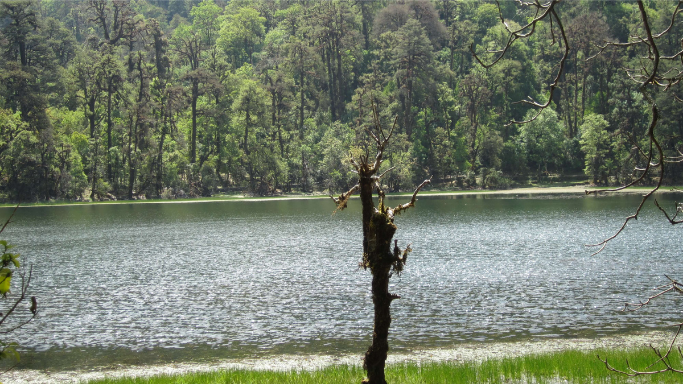
Ramaroshan is also an important habitat for Himalayan wildlife, including musk deer, bears, and Nepal’s national bird, the Danfe. Its forests, lakes, and alpine vegetation make it an attractive destination for birdwatching, trekking, camping, and nature photography.
Recently, the region has gained increasing attention for its tourism potential, highlighting the importance of protecting its fragile ecosystem while improving accessibility.
Travellers can reach Ramaroshan by flying from Kathmandu to Dhangadhi, followed by a road journey towards Mangalsen or Sanfebagar and onward local transport. Accommodation remains basic, with homestays and camping among the available options.
Spring (March–May) and autumn (September–November) are generally the best seasons to visit. Travellers should prepare for rugged roads and limited facilities, particularly during adverse weather.
Ramaroshan is more than a scenic destination. It is a reminder that some of Nepal’s greatest treasures remain hidden beyond the usual tourist routes, waiting to be explored, appreciated, and preserved.