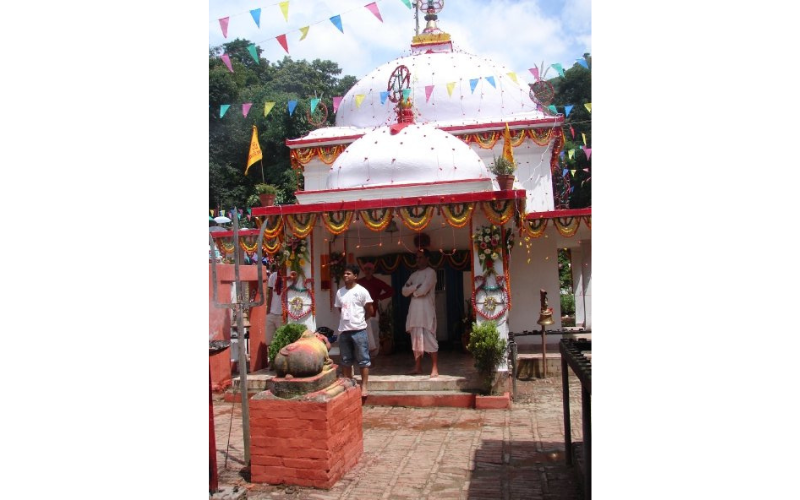
Doleshwor Mahadev Temple, perched on a tranquil hillside in Bhaktapur District, is one of Nepal’s most intriguing Shiva shrines, both for local devotees and international visitors interested in pilgrimage, mythology, and cultural architecture.
Situated roughly 20 kilometres from Kathmandu, this sacred site is widely revered as the head of Lord Shiva’s form at Kedarnath, one of the most sacred Jyotirlinga temples in India. Today, Doleshwor Mahadev merges spiritual mythology with serene landscapes and traditional Nepali temple design, offering a unique pilgrimage experience close to the Kathmandu Valley.
History and Mythological Significance
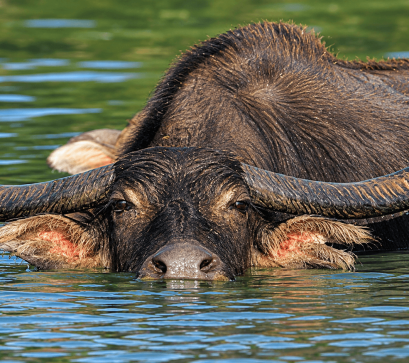
Doleshwor Mahadev’s spiritual roots are interwoven with Hindu mythology. According to legend, after the Mahabharata war, the Pandava brothers sought forgiveness from Lord Shiva for their actions. Shiva eluded them by transforming into a bull (Nandi). When the Pandavas attempted to seize him, only the bull’s tail remained in their grasp; the rest of Shiva’s form vanished. Tradition holds that the main part of Shiva’s body manifested at Kedarnath in modern‑day Uttarakhand, India, while the head manifested at Doleshwor Mahadev in Nepal.
In August 2009, this connection was formally recognised when Shree 1008 Jagat Guru Bheemashaankarling Shivacharya, the head priest of Kedarnath, officially declared Doleshwor Mahadev as the head portion of the Kedarnath Jyotirlinga, a sacred acknowledgement spanning centuries of oral tradition.
This mythic status has elevated Doleshwor Mahadev beyond a local shrine to a key pilgrimage site for Shaivite devotees. Pilgrims often regard a visit here as essential to spiritually complement trips to Pashupatinath Temple and the Char Dham circuit.
Significance in Hindu Worship
Doleshwor Mahadev holds deep spiritual meaning for devotees of Lord Shiva. Many worshippers believe that paying homage here can:
Cleans eons of sins and bring spiritual purification
Grant Divine blessings, prosperity, and protection
Offer solace and peace amid life’s challenges
The temple’s prominence increases dramatically during key festivals especially during Maha Shivaratri, Teej, and the month of Shrawan (July- August) when thousands gather to offer milk, water, bel leaves, and prayers at the Shiva Linga.

Architecture and Aesthetic Features
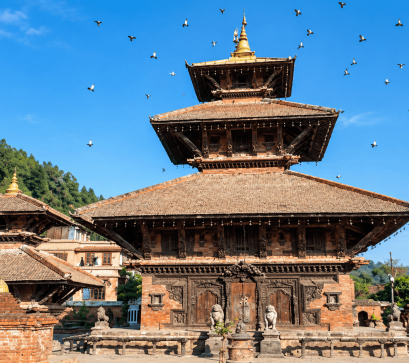
Doleshwor Mahadev is built in traditional Nepali pagoda style, reflecting centuries of Newari temple craftsmanship. The architecture combines spiritual function with cultural artistry:
Multi‑tiered pagoda roof: A hallmark of Nepalese temple design
Elaborate wood and stone carvings: Depicting mythological motifs
Central Shiva Linga: A plain yet powerful representation of Lord Shiva
Nandi statue: The sacred bull, Shiva’s loyal mount
Trishul and sacred artefacts: Symbolising Shiva’s power and protection
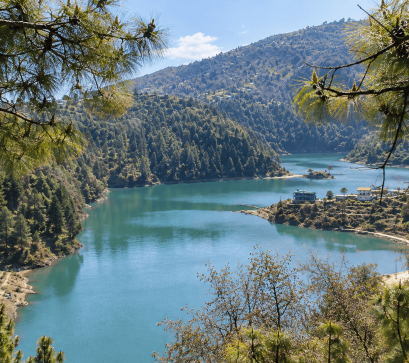
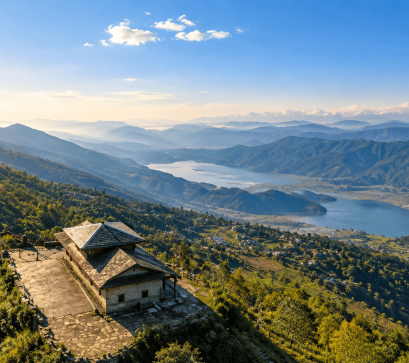
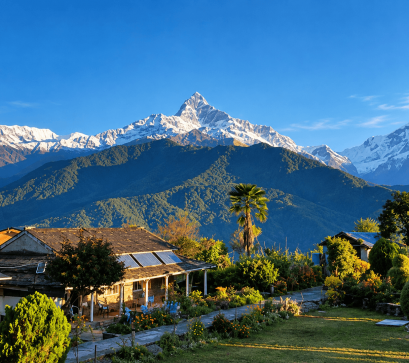
The temple setting is notably peaceful, with lush hills and a gentle river sound creating a meditative ambience rarely found in busier city temples.
Beliefs and Rituals
Devotees follow long‑established Hindu rituals here, many mirroring practices from Kedarnath:
Morning and evening Aarti: Traditional light ceremonies
Milk and Bel leaf offerings: Central to Shiva worship
Chanting Om Namah Shivaya: A cornerstone mantra for devotees
Sacred circumambulation: Walking clockwise around the temple while praying
On special, highly auspicious days such as Akshaya Tritiya, Maha Shivaratri, and other significant anniversaries (such as the recognition day of the temple as the head of Kedarnath), all four gates of the Doleshwor Mahadev Temple are opened to the public.
Travel Guide for Visitors
Location
Doleshwor Mahadev Temple sits in Sipadol, Suryabinayak Municipality, Bhaktapur District, easily reachable from core cultural centres like Bhaktapur Durbar Square and Kathmandu.
How to Reach
From Kathmandu: Approximately 30 minutes’ drive
From Bhaktapur Durbar Square: A short 15-20 minute drive
On Foot: Some visitors enjoy a 6.9 km hiking route through local villages up to the site.
Best Time to Visit
March-May and September-November for temperate weather
Festivals (Shivaratri, Shrawan): For rich cultural immersion
Entry and Costs
There is no formal entry fee to Doleshwor Mahadev Temple.
Travel costs typically include:
Local taxi or ride‑hail: NPR 800–1,500 (Kathmandu - Bhaktapur)
Local bus: NPR 30-80
During festivals, voluntary donations, ritual offerings, or small vendor purchases (NPR 50-300) may be customary.
Visitor Experience & Tips
Respect temple etiquette: Dress modestly and follow local practices.
Photography: Permitted in outer areas; always seek permission before capturing ritual acts.
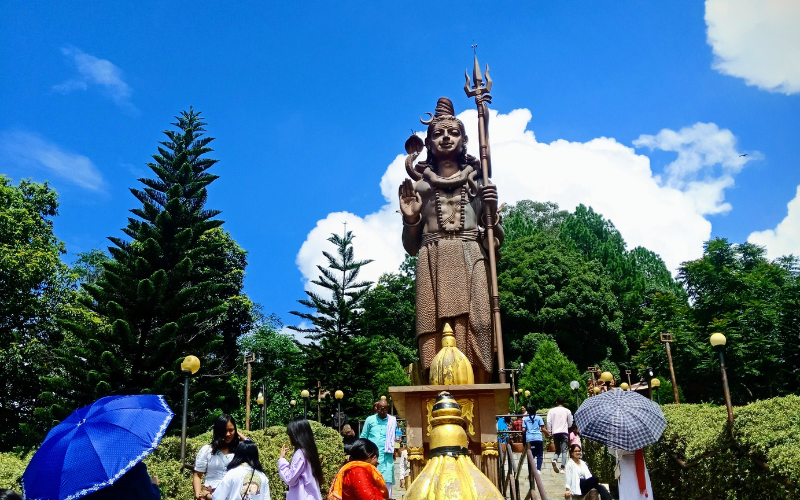
Combine visits: Pair with Bhaktapur’s Durbar Square, nearby Ashapuri Mahadev, or Kailashnath Mahadev (world’s tallest Shiva statue).
Doleshwor Mahadev Temple is a living testament to Nepal’s Shaivite heritage, where mythology, devotion, and architectural craft meet. Its identity as the head of Kedarnath unites pilgrims across borders, while its serene setting offers repose for spiritual seekers and culture travellers alike.
Whether approached as a pilgrimage destination or a cultural stop en route through historic Bhaktapur, Doleshwor Mahadev provides insight into Nepal’s enduring tapestry of faith and tradition.
PC: Wikimedia Commons
Also Read