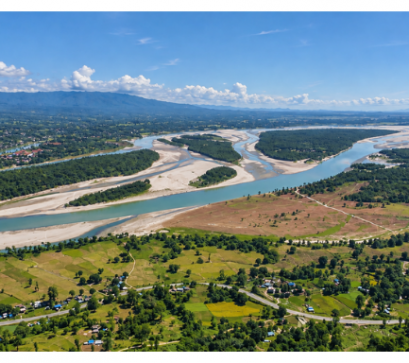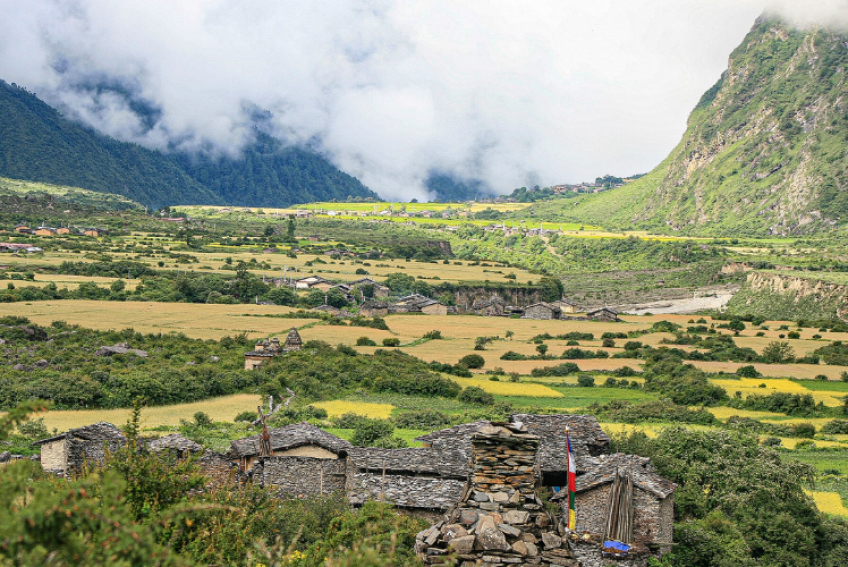
If you're looking for a trek that combines raw wilderness, cultural depth, and genuine remoteness, Tsum Valley should be at the very top of your list.
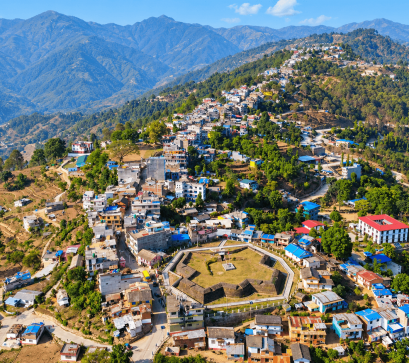
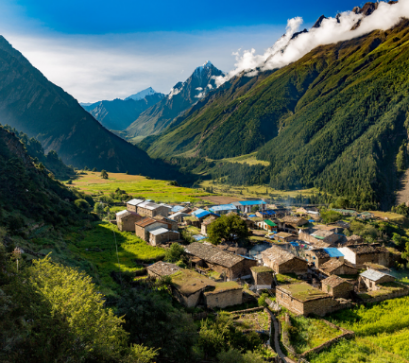
Tsum Valley sits at an altitude ranging from roughly 1,800 m to over 5,000 m and borders Tibet to the north. The valley's relative isolation has preserved a culture that feels frozen in time — local Tsumbas follow the Nyingma sect of Tibetan Buddhism, and you'll encounter ancient gompas (monasteries), mani walls, and prayer flags at every turn.
The valley is geographically cut off from the outside world for much of the year, which has shielded it from the commercialization that affects more popular trekking routes. This is a place where you're as likely to meet a yak caravan as another trekker.
The standard Tsum Valley Trek takes between 16 and 21 days, depending on your starting point and how deeply you explore the upper valley. Most trekkers combine it with the Manaslu Circuit Trek for an epic multi-week adventure.
Arughat to Soti Khola (Day 1–2): Begin your journey in Arughat, accessible by road from Kathmandu (roughly 8–9 hours). The trail follows the Budhi Gandaki River upstream through lush subtropical forest.
Jagat to Lokpa (Day 3–5): The trail climbs higher. At Lokpa, the Tsum Valley route branches off the main Manaslu Circuit.
Chumling to Mu Gompa (Day 6–9): This stretch is the cultural heart of the trek. Mu Gompa is the most important monastery in the valley and a must-visit for its stunning setting and spiritual significance.
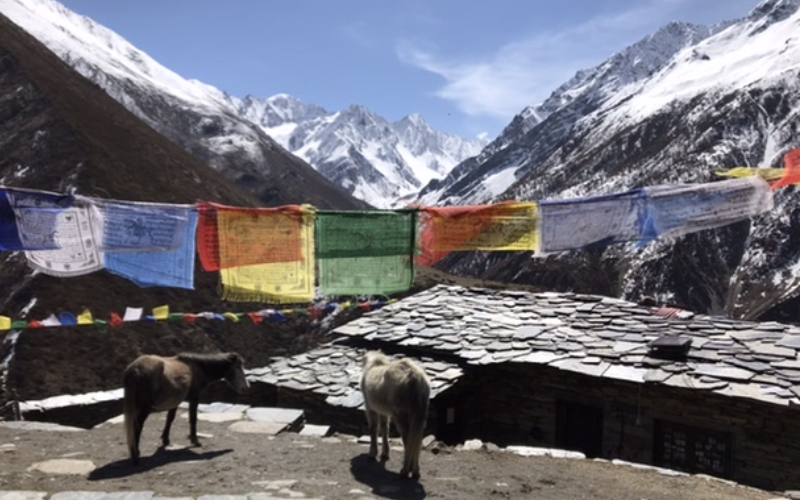
Upper Tsum Valley & Nile (Day 10–12): With the proper restricted area permits, trekkers can push north to Nile village, just a stone's throw from the Tibetan border. The scenery here is utterly breathtaking.
Return via Manaslu Circuit (Day 13–21): Most groups exit via the Manaslu Circuit, crossing the challenging Larke La Pass (5,106 m) before descending to Besisahar.
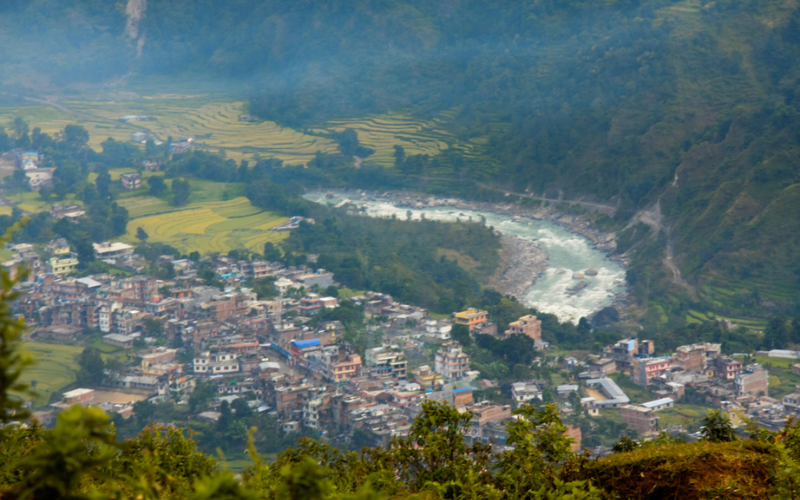
Tsum Valley is a restricted trekking area, which means you can't enter without a licensed Nepal guide and the correct permits. As of 2025, you'll need:
Permits must be obtained through a registered trekking agency in Nepal. Independent trekking is not permitted in the Tsum Valley. Factor in agency fees when budgeting your trip — a reputable agency typically charges USD $25–$45 per day per person, which includes a guide, porter, and logistical support.
The Tsum Valley Trek is rated moderate to strenuous. You don't need technical climbing skills, but you do need solid physical fitness and ideally some prior trekking experience at altitude. The trail involves long daily walking hours (5–8 hours), significant elevation gain, and rustic tea house accommodation. Cold temperatures, especially above 4,000 m, are a constant factor, particularly in spring and autumn.
The ideal seasons are March to May (spring) and September to November (autumn). Spring brings rhododendron blooms and clear skies, while autumn offers the most stable weather and the best mountain visibility. Winter trekking (December–February) is possible but extremely cold, and the Larke La Pass may be closed. The monsoon season (June–August) brings heavy rainfall and leeches on lower trails, though the upper valley remains relatively dry due to its position in the rain shadow.
Accommodation along the Tsum Valley Trek consists of small, family-run tea houses and lodges. These are basic but clean — expect simple wooden beds, shared bathrooms, and hearty Nepali meals like dal bhat and tsampa porridge. In the upper valley near Mu Gompa, the monastery itself occasionally offers homestay-style lodging, which is a rare and memorable experience.
• Layered clothing for temperatures ranging from warm days (20°C) to freezing nights (-10°C)
• Quality broken-in trekking boots
• Trekking poles (essential on steep descents)
• Sleeping bag rated to -10°C or below
• Water purification tablets or a UV pen
• First aid kit with altitude sickness medication (Diamox)
• Cash in Nepali rupees (no ATMs beyond Arughat)
A complete Tsum Valley trek (16–21 days) typically costs between USD $1,500 and $3,000 per person, including flights to Kathmandu, agency fees, permits, accommodation, and food. Budget-conscious trekkers can shave costs by sharing a guide and porter with another group.
A: No. Tsum Valley is a restricted area and trekking without a licensed guide is illegal. You must book through a registered Nepali trekking agency.
A: Most trekkers take a bus or jeep from Kathmandu to Arughat or Soti Khola (7–10 hours), which serves as the trail's entry point.
A: Coverage is very limited. Ncell and NTC networks have patchy signals in lower elevations, but the upper valley has no reliable mobile connectivity.