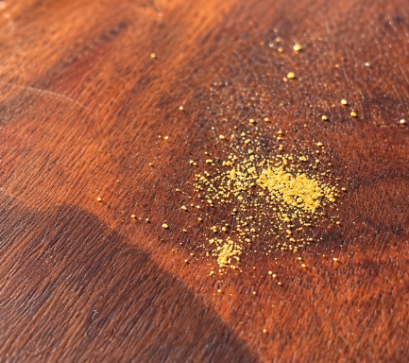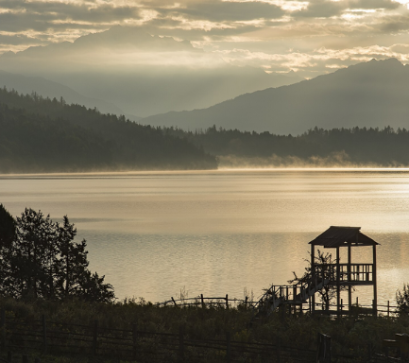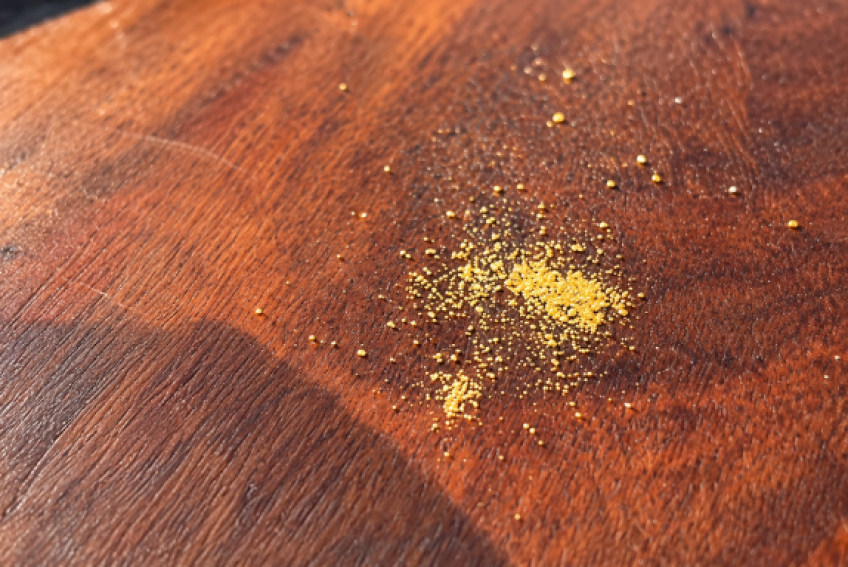
Not all treasures are hidden beneath mountains or inside ancient temples. Some lie within the sands of a flowing river. In Rajapur, Bardiya, the mighty Karnali carries tiny particles of gold, and for generations, the indigenous Sonaha community has mastered the remarkable skill of finding them.
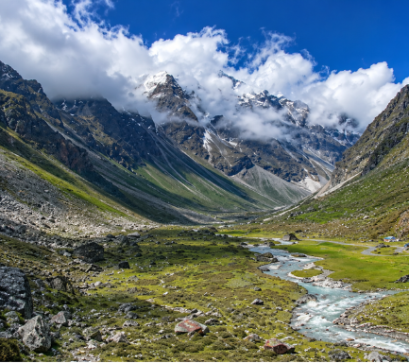
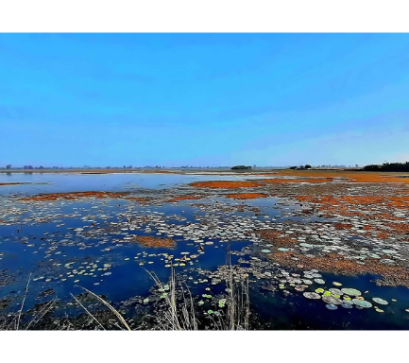
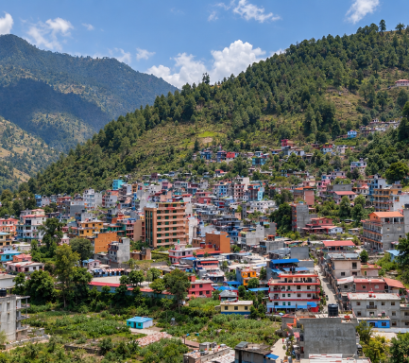
Located in Nepal’s Lumbini Province, Rajapur is an emerging cultural tourism destination where river landscapes, traditional villages and indigenous heritage come together. Away from the busy tourist trails, this peaceful corner of western Nepal offers an experience rarely found elsewhere in the country.
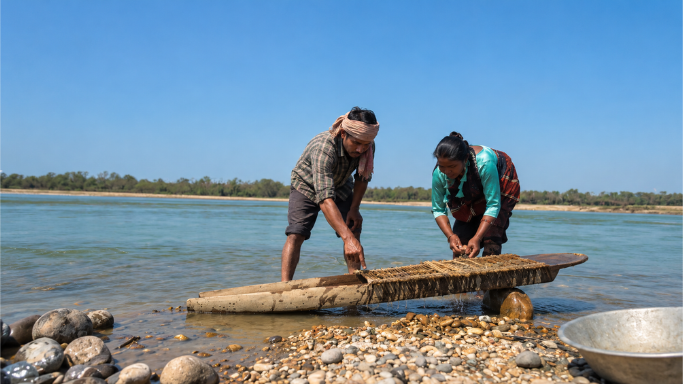
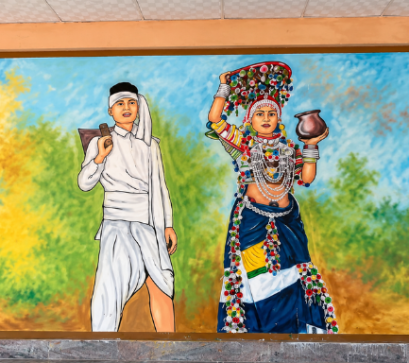
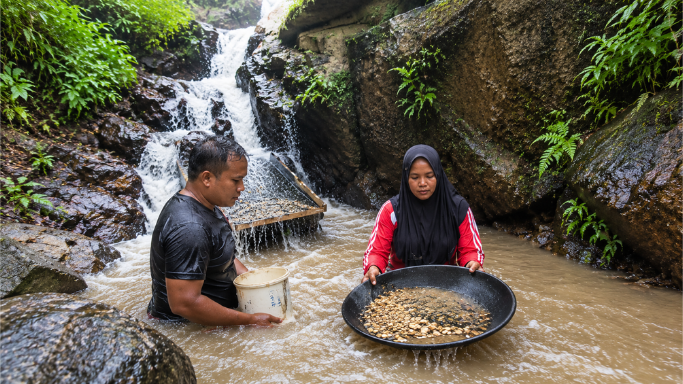
The Sonaha people have traditionally depended on fishing, boating and collecting gold from the Karnali and Geruwa rivers. Using wooden tools and techniques passed down through generations, particularly among women, they carefully wash river sediment to separate tiny gold particles from sand. What appears to be an ordinary riverbank is, for the community, a place of knowledge, survival and cultural identity.
Today, visitors can discover this tradition through the Tharu-Sonaha Community Homestay in Murgahawa, Rajapur Municipality-1. The community offers guided gold-panning experiences lasting approximately three to four hours. Travellers can walk along the Karnali River, watch local women demonstrate traditional techniques, interact with residents and even try sifting sand themselves.
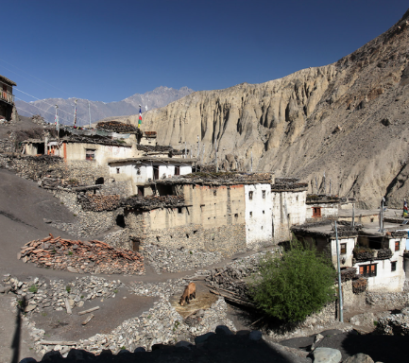
The experience extends beyond gold. Traditional mud-and-wood houses, village pathways, local food and the surrounding greenery introduce visitors to the everyday lives of the Sonaha and neighbouring Tharu communities.
Established in 2021, the Sonaha-Tharu Homestay and Museum initiative has helped create new opportunities for community-based tourism. According to Good Neighbors International Nepal, eight homestays were developed with its support, alongside efforts to preserve local culture and improve livelihoods.
Yet, this heritage faces challenges. Changing river courses, declining fish populations and restrictions on accessing traditional riverbanks have threatened the Sonaha community’s livelihoods. Responsible tourism offers an additional source of income while helping keep their knowledge and traditions alive.
For travellers planning a visit, September to December and February to April offer generally comfortable conditions. Rajapur can be reached by road from Nepalgunj, while the homestay operator also lists a flight to Nepalgunj followed by a drive as an option.
Rajapur is more than a destination for discovering gold. It is a place to discover the people, stories and traditions that make Nepal’s rivers part of its living heritage.
Also Read: