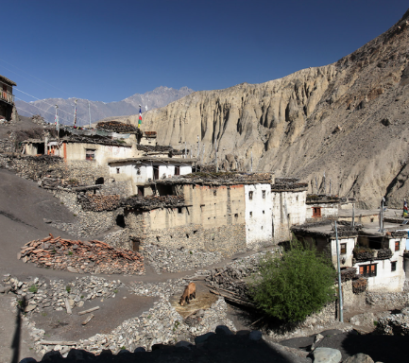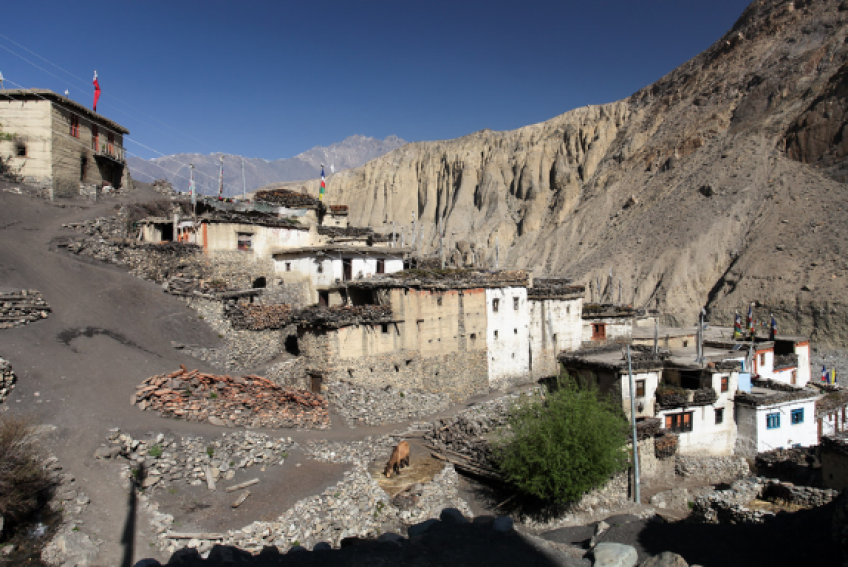
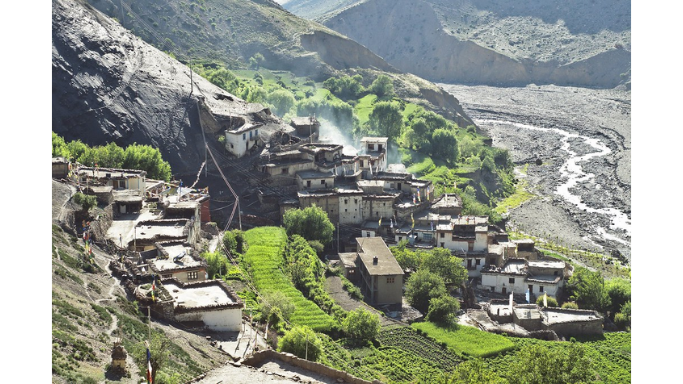
Away from Mustang’s popular trekking routes lies a village that has preserved its spiritual identity for nearly eight centuries. Lubra Village, also known as Lupra, is a remote Himalayan settlement where the ancient Bon religion continues to shape everyday life. Surrounded by barren cliffs, traditional houses and the Panda Khola River, this remarkable destination offers a glimpse into Nepal’s lesser-known cultural heritage.
Located at approximately 3,000 metres above sea level, near Jomsom and Muktinath in Lower Mustang, Lubra is believed to have been established around the 12th century. Unlike the frequently visited villages of Kagbeni and Jharkot, Lubra remains relatively unexplored by mainstream tourism. Its peaceful atmosphere, traditional architecture and spiritual significance make it an exceptional destination for cultural travellers.
What makes Lubra extraordinary is its connection to Bon, an indigenous Tibetan spiritual tradition with roots predating Buddhism’s arrival in Tibet. While much of Mustang follows Tibetan Buddhism, Lubra remains one of the region’s few communities devoted to Bon.
At its heart stands a centuries-old monastery where religious teachings, sacred symbols and traditional rituals have survived across generations. One distinctive practice involves walking counterclockwise around monasteries and chortens, unlike the clockwise movement commonly followed in Tibetan Buddhism.
However, this ancient settlement faces a growing environmental threat. The Panda Khola River has become increasingly dangerous as intense monsoon floods deposit enormous quantities of mud, stones and sediment. Research reported in September 2026 indicated that the riverbed had risen by approximately 12 metres over a decade, threatening nearby homes and agricultural land.
Flooding has already damaged traditional houses, destroyed apple orchards and farmland, and endangered historic religious monuments. Reports from 2026 suggest that approximately 40 residents remain, raising concerns about the survival of this unique community.
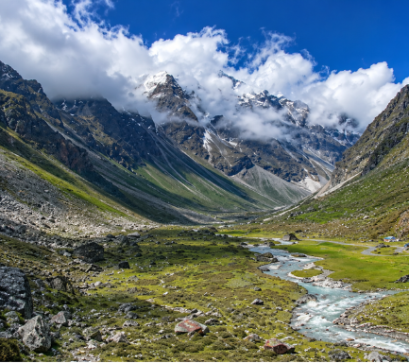
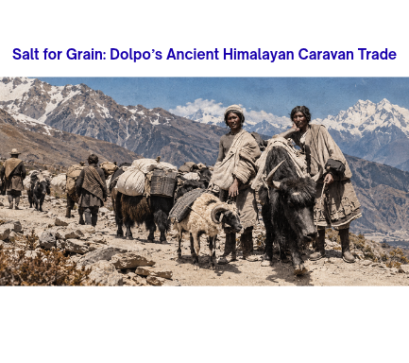
Despite these challenges, Lubra offers a rewarding trekking experience for travellers seeking destinations beyond conventional tourist routes. The village can be reached from Jomsom through scenic trails along the Panda Khola gorge, generally requiring two to four hours depending on the route.
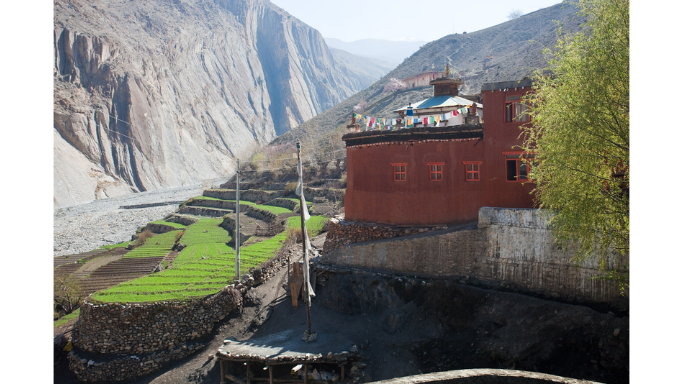
Along the journey, visitors encounter dramatic cliffs, rocky valleys, traditional farmland and spectacular Himalayan scenery. Exploring the ancient monastery and interacting respectfully with local residents provides a deeper understanding of Bon culture and Mustang’s history.
Travellers can also combine Lubra with nearby destinations such as Muktinath, Kagbeni and Jharkot. The best time to visit is during spring (March–May) and autumn (September–November), when weather conditions are generally favourable for trekking. Visitors should check local trail conditions, especially during the monsoon.
Lubra is more than a hidden Himalayan village. It is a living reminder of Nepal’s rich spiritual diversity and cultural resilience. As environmental pressures threaten its future, responsible tourism and heritage conservation are increasingly important. For those exploring Lower Mustang, Lubra offers not just breathtaking landscapes but an ancient cultural legacy worth preserving.