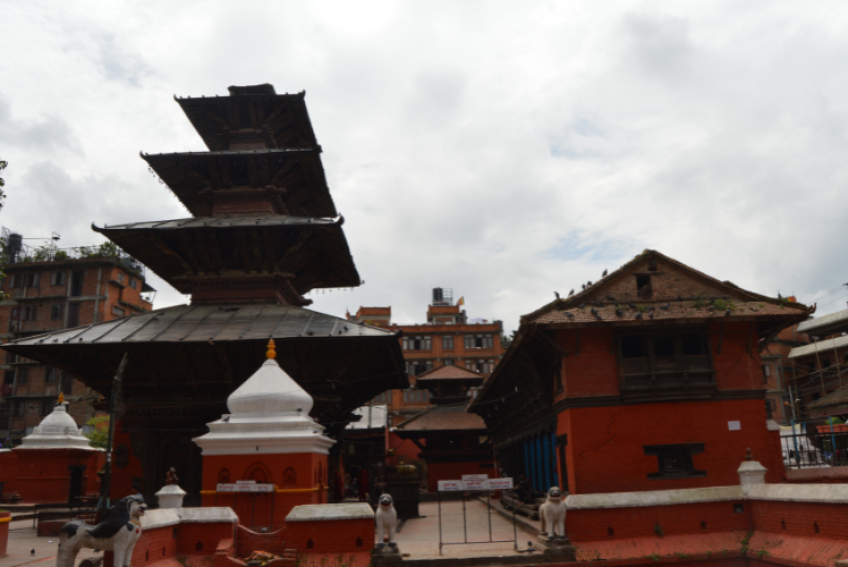
Located in Patan, the historic core of Lalitpur, the Kumbheshwor Mahadev Temple stands as one of the city’s most important Hindu shrines. Dedicated to Lord Shiva, it remains an active place of worship as well as a notable example of traditional Newar architecture.
The temple is traditionally attributed to the 14th century during the Malla period, particularly to the reign of King Jayasthiti Malla, with later additions and restorations over time.
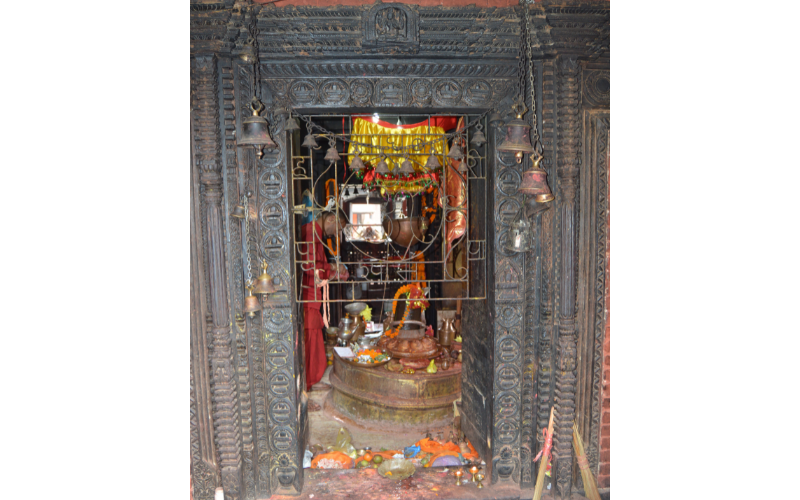
A Rare Five-Tiered Pagoda
Kumbheshwor Mahadev is distinguished by its five-tiered pagoda structure, unusual in the Kathmandu Valley, where most temples are two or three tiers. It is among the very few temples of this scale in Kathmandu Valley.
Built in the Newari architectural tradition, the temple features carved wooden struts, tiered roofs, and a gilded finial (gajur). The structure has undergone restoration following major earthquakes, including those in 1934 and 2015.
Sacred Water and Living Belief
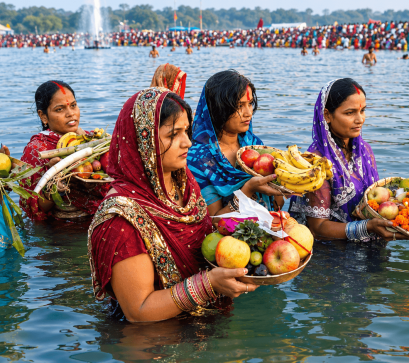
Within the temple complex lies a stone-lined pond that holds deep religious significance. In local tradition, this water source is believed to be spiritually linked to Gosainkunda Lake, a major Himalayan pilgrimage site associated with Lord Shiva. It is believed that devotees who are unable to travel to Gosainkunda consider ritual bathing here to hold religious merit. This belief is especially prominent during Janai Purnima, when large numbers of pilgrims gather at the temple.
Malla Legacy and Continuity
The temple reflects the broader cultural and architectural legacy of the Malla period, during which many of the Kathmandu Valley’s prominent shrines and urban forms were established. Over time, Kumbheshwor Mahadev has functioned not only as a religious site but also as a community focal point.
Despite damage from past earthquakes, restoration efforts have maintained its structural form and continued religious use.
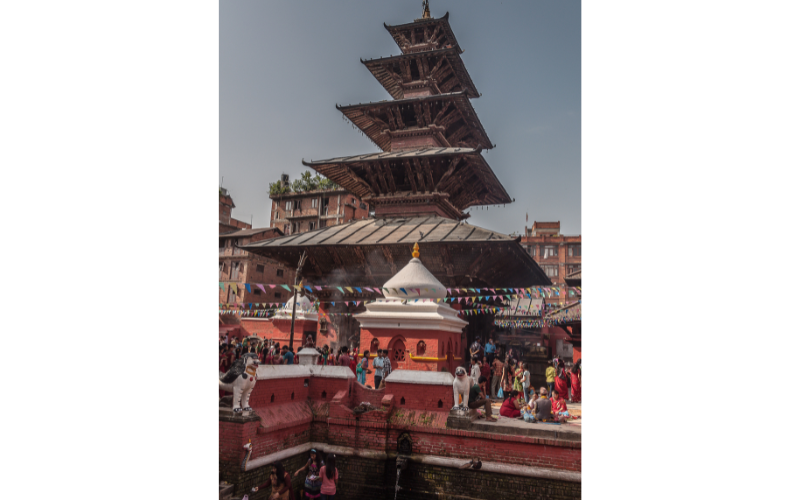
A Living Heritage Space
Today, Kumbheshwor Mahadev remains an active religious and cultural space. Daily worship, seasonal rituals, and festival gatherings continue to shape its identity.
Set within the traditional urban fabric of Patan with its narrow lanes, courtyards, and historic homes, the temple offers visitors insight into a living heritage system where architecture, ritual, and community life remain closely interconnected.
Kumbheshwor Mahadev represents the integration of faith, architecture, and urban history in the Kathmandu Valley. Its continued use as a place of worship, alongside its historical significance, underscores the importance of preserving not just monuments, but the cultural practices that sustain them.
Key Facts
PC: Wikimedia Commons
Also Read