As monsoon clouds blanket Nepal's hills and plains in shades of green, communities across the Susurpaschim Province prepare for one of their most revered cultural celebrations—Gaura Parva. Deeply rooted in faith, tradition and community spirit, the festival commemorates the divine union of Goddess Gauri (Parvati) and Lord Shiva while celebrating marital harmony, prosperity and feminine strength.
Observed primarily in the Sudurpashchim region and parts of Karnali, Gaura Parva is more than a religious observance. It is a living cultural heritage that binds generations together through rituals, songs, dances and communal worship. For many women, it is a period of devotion and fasting, while for entire communities it serves as a vibrant expression of identity and belonging.
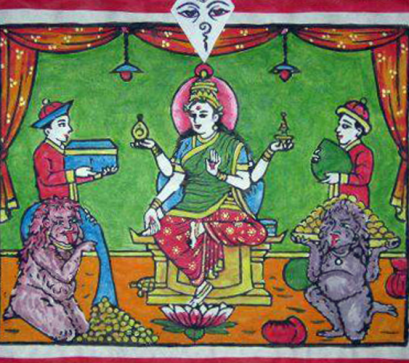
Gaura Parva is centred on Goddess Gauri, another name for Parvati, the consort of Lord Shiva. According to Hindu mythology, Parvati undertook rigorous penance and unwavering devotion to win Shiva as her husband. Her determination, patience and faith eventually led to their sacred union, which symbolises ideal marital companionship and spiritual harmony.
The festival celebrates this divine marriage and honours the virtues associated with Goddess Gauri—purity, perseverance, fidelity and strength. Women worship the goddess and pray for the well-being, longevity and prosperity of their husbands and families. Unmarried girls also participate, seeking blessings for a suitable life partner and a happy future.
Gaura Parva is most prominently celebrated throughout Nepal's Far-Western districts, including:
The festival is also observed by migrant communities from the Susurpaschim living in other parts of Nepal and abroad, helping preserve cultural traditions across generations and geographical boundaries.
The celebrations begin with one of Gaura Parva's most distinctive traditions—the sowing of Biruda.
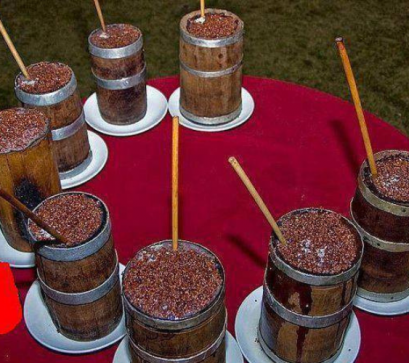
Biruda consists of five sacred grains, typically including wheat, black gram, peas, maize and mustard. Women soak these grains in water and nurture them over several days as an act of devotion and symbolic fertility.
The germinating grains represent abundance, agricultural prosperity and the cycle of life. Throughout the festival, women care for the Biruda with reverence, treating it as a sacred offering to Goddess Gauri.
At the conclusion of the festival, the blessed Biruda is distributed among devotees and placed on heads as a symbol of divine blessings, protection and good fortune.
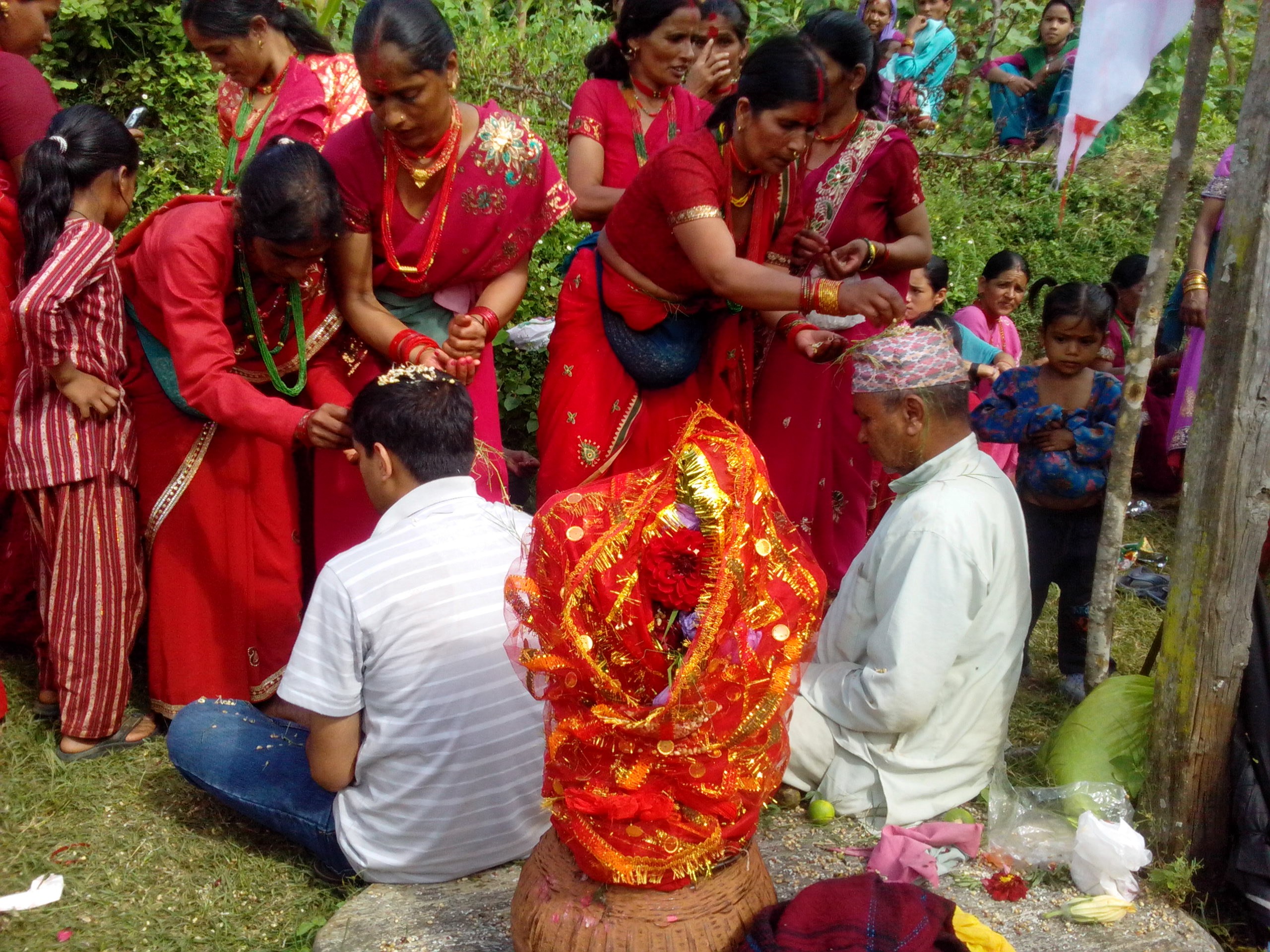
One of the most important aspects of Gaura Parva is the strict fasting observed by married women. Many devotees abstain from food and water for extended periods while engaging in prayers and ritual worship.
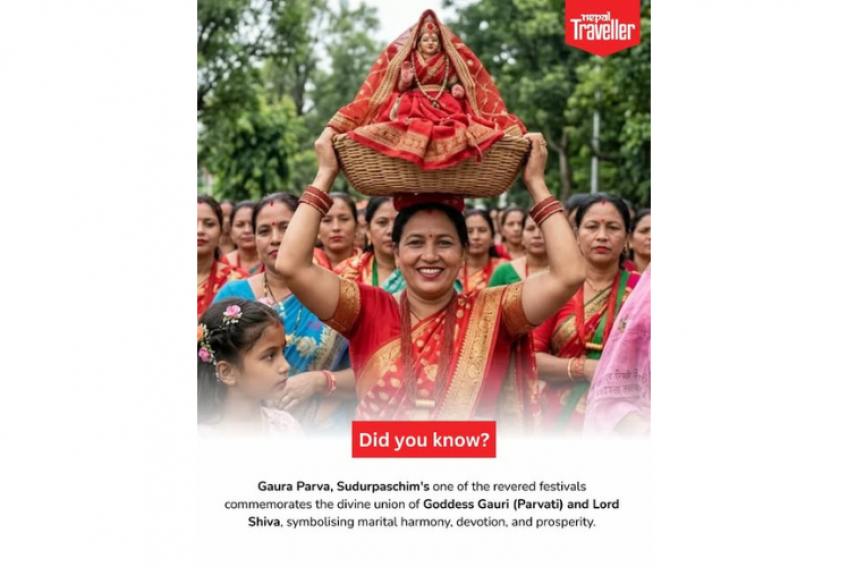
Women dress in traditional attire, adorn themselves with jewellery and gather at temples and community spaces carrying sacred offerings. Clay or metal representations of Gauri and Maheshwar (Shiva) are worshipped through ritual ceremonies, songs and offerings.
The fast symbolises devotion, self-discipline and sacrifice, reflecting Goddess Parvati's dedication to Lord Shiva.
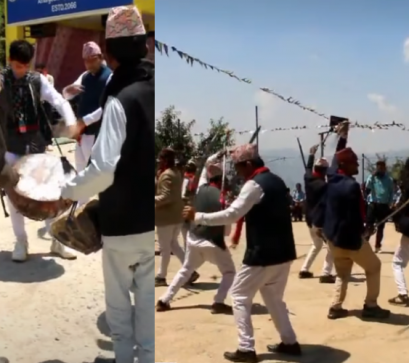
No discussion of Gaura Parva is complete without mentioning Deuda, the traditional folk singing and dancing style synonymous with the Sudurpaschim.
As the festival progresses, men and women gather in large circles, holding hands and moving rhythmically while singing Deuda songs. The performances can continue for hours, creating an atmosphere filled with joy, spirituality and communal harmony.
The songs often recount:
Through Deuda, oral traditions and collective memories are passed from one generation to the next, making the festival an important vehicle for cultural preservation.
Although the festival revolves around the worship of Goddess Gauri, its social significance extends beyond religion.
Gaura Parva provides women with a prominent public role in cultural and religious life. Women lead rituals, organise ceremonies and become the central participants in the festival's activities. In many communities, the occasion serves as a platform for strengthening social bonds, sharing experiences and reinforcing community solidarity.
The celebration highlights the respect accorded to feminine power within traditional belief systems while showcasing the important role women play in preserving cultural heritage.
The visual beauty of Gaura Parva is one of its most striking features. Women wear colourful traditional dresses, ornate jewellery and ceremonial adornments that reflect the rich cultural traditions of the Far-West.
Village squares, temple courtyards and community grounds become vibrant gathering spaces where people come together to celebrate, sing and pray. The atmosphere is marked by a strong sense of unity, with families and neighbours participating collectively in the festivities.
These gatherings also offer opportunities for younger generations to learn about ancestral customs, strengthening cultural continuity in an era of rapid social change.
Like many traditional festivals, Gaura Parva faces challenges from urbanisation, migration and changing lifestyles. As younger generations move to cities or abroad, some rituals and oral traditions risk fading over time.
However, local communities, cultural organisations and diaspora groups continue to play an active role in preserving the festival. Schools, cultural programmes and social media initiatives have helped introduce Gaura traditions to wider audiences, ensuring that the festival remains relevant in the modern age.
Today, Gaura Parva stands not only as a religious observance but also as an enduring symbol of Sudurpashchim's cultural identity.
For travellers seeking authentic cultural experiences in Nepal, Gaura Parva offers a unique opportunity to witness living traditions that remain deeply woven into everyday community life.
Unlike some of Nepal's larger festivals that attract significant tourism, Gaura celebrations retain a distinctly local character. Visitors can observe sacred rituals, listen to traditional Deuda songs, experience communal gatherings and gain insight into the spiritual and social fabric of the Far-West.
The festival reveals a side of Nepal that extends beyond mountains and trekking routes—one rooted in faith, resilience and cultural continuity.
Gaura Parva is much more than a festival. It is a powerful expression of devotion, womanhood, community and cultural pride. Through sacred rituals, fasting, Biruda offerings and the joyous rhythms of Deuda, generations continue to honour a tradition that has shaped the identity of Nepal's Far-West for centuries.
In a rapidly changing world, Gaura Parva remains a vibrant reminder that cultural heritage lives not only in monuments and museums, but in the songs, prayers and collective memories of the people who keep traditions alive.
Also Read