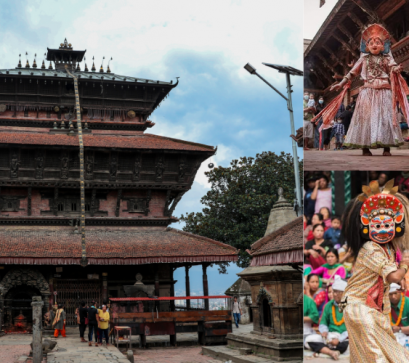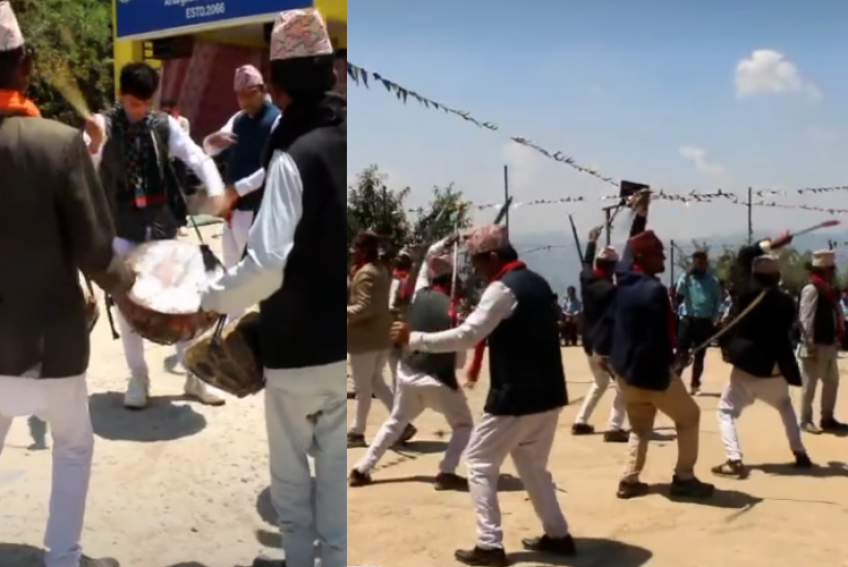
In the rugged hills of Nepal's Far-West, where stories of valour and resilience have been passed down through generations, a powerful cultural tradition continues to captivate audiences. Known as Chaulo Naach, this traditional folk dance is far more than a performance—it is a living expression of bravery, heroism, and regional identity.
Performed primarily in the districts of Dadeldhura, Darchula, and Baitadi, Chaulo Naach embodies the martial spirit of Sudurpashchim Province. Through energetic movements, rhythmic music, and symbolic displays of strength, the dance commemorates the courage of ancestors and preserves a unique chapter of Nepal's cultural heritage.
Unlike many folk dances that celebrate harvests or religious devotion, Chaulo Naach is rooted in the martial history of the Far-West. For centuries, communities in this region relied on courage, discipline, and collective defence to protect their settlements in the challenging Himalayan frontier.
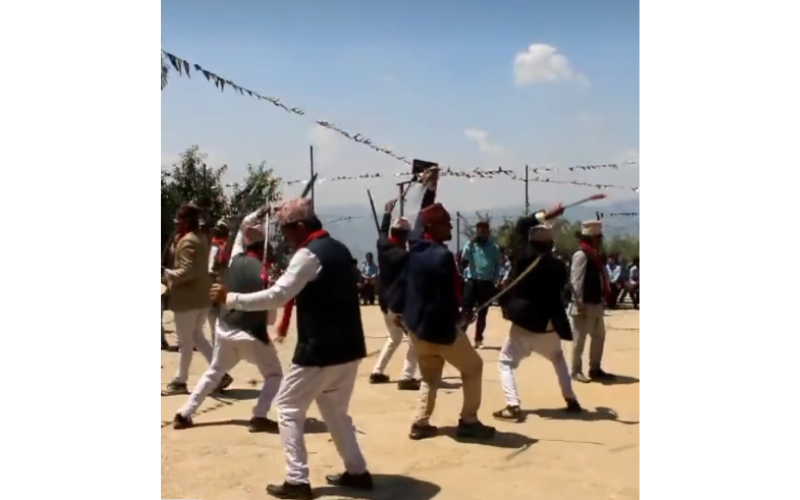
The dance is believed to have evolved as a way of honouring local heroes and warriors. Through choreographed movements that resemble combat techniques and military formations, performers recreate the spirit of historical battles and the values associated with them—strength, loyalty, sacrifice, and honour.
Today, Chaulo Naach serves as a cultural reminder of the resilience that has shaped life in Nepal's western hills.
At its core, Chaulo Naach celebrates courage.
The vigorous movements and synchronised formations symbolise readiness, unity, and determination. Performers (men) often move in groups, reflecting the importance of collective strength and community solidarity.
For local communities, the dance is not merely entertainment. It is a means of preserving history, transmitting cultural values, and paying tribute to the generations who safeguarded their homeland.
Each performance becomes a living narrative that connects the present with the past.
One of the most striking aspects of Chaulo Naach is its visual presentation.
Performers typically wear traditional attire representative of the Far-Western hills. Dancers carry symbolic weapons such as swords, khukuris, or shields, reinforcing the martial character of the dance.
The coordinated handling of these props demonstrates discipline and skill while evoking images of historic warriors preparing for battle.
Combined with powerful drumbeats and traditional melodies, the spectacle creates an atmosphere of pride and reverence.
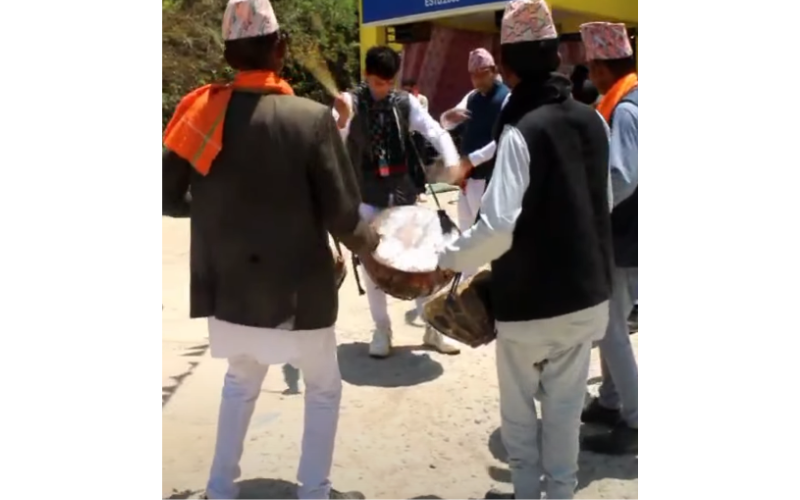
Traditional instruments form the heartbeat of Chaulo Naach.
The performance is accompanied by rhythmic percussion and folk music that guides the dancers' movements. The powerful beats create an energetic tempo, encouraging both performers and spectators to immerse themselves in the experience.
Songs associated with the dance often recount tales of bravery, local legends, and historical events, adding another layer of storytelling to the performance.
Chaulo Naach is commonly featured during:
While it remains most closely associated with Dadeldhura, Darchula, and neighbouring districts, cultural organisations and heritage groups increasingly showcase the dance at national events, helping introduce wider audiences to the traditions of Sudurpashchim.
For travellers seeking authentic cultural experiences, witnessing a Chaulo Naach performance offers a rare opportunity to engage with a tradition that remains deeply connected to local identity.
As Nepal modernises, many traditional art forms face the challenge of declining participation and changing lifestyles. Yet Chaulo Naach continues to survive through the dedication of local communities, cultural groups, and heritage advocates.
Efforts to document and promote the dance are helping ensure that future generations remain connected to their cultural roots. More importantly, they highlight the rich diversity of Nepal's regional traditions, many of which remain relatively unknown outside their places of origin.
For visitors exploring Nepal beyond its mountains and monuments, Chaulo Naach offers a deeper understanding of the country's cultural landscape.
The dance reveals stories of courage, community, and history that are seldom found in guidebooks. It showcases the distinct identity of the Far-West and provides insight into the traditions that continue to shape life in the region today.
In every rhythmic step and every symbolic gesture, Chaulo Naach honours the enduring spirit of Nepal's western hills—a legacy of bravery that continues to dance through time.
PC: Internet
Also Read