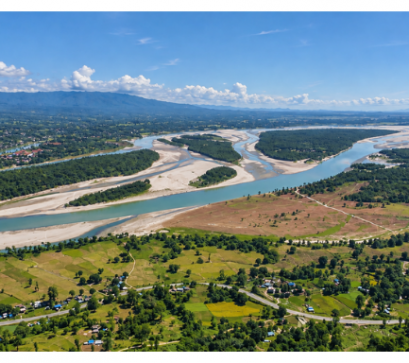
Tucked away in the Annapurna region of Nepal’s Mustang District lies Lake Sekong — a lesser-known high-altitude lake that is gaining attention among trekkers seeking tranquillity and spectacular mountain scenery.
Where It Is
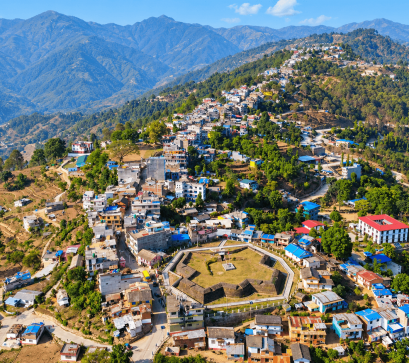
Lake Sekong is located near Larjung village, in the Thasang area of northern Nepal’s Mustang District in Gandaki Province. It sits at an elevation of approximately 2,725 metres (8,940 feet) above sea level.
The lake is accessible from the classic Annapurna Circuit trekking route, typically via a short side trail from the village of Larjung, a popular resting point for trekkers.
Natural Beauty and Landscape
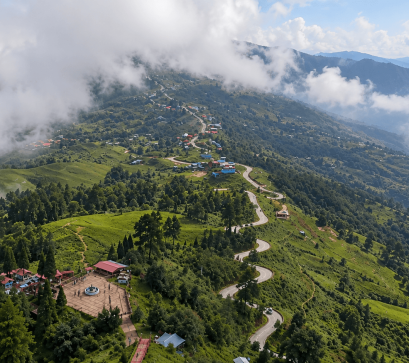
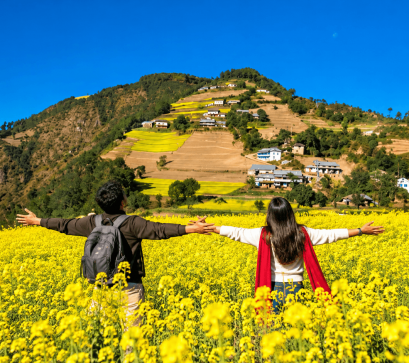
Surrounded by terraced fields, pine forests and the dramatic peaks of the Annapurna and Dhaulagiri ranges, Lake Sekong offers peaceful reflective waters and panoramic mountain vistas. On clear days, reflections of Dhaulagiri and the Nilgiri massif can be seen in its surface — a photographic highlight for many hikers.
The lake is frequently described as a hidden gem, because it remains comparatively untouched by commercial tourism and offers a tranquil experience far from crowded trails.
Trekking Experience
Unlike Nepal’s more established lake destinations — such as Phewa Lake in Pokhara or Phoksundo Lake in Dolpa — Sekong is reached by foot along traditional footpaths and requires basic trekking ability.
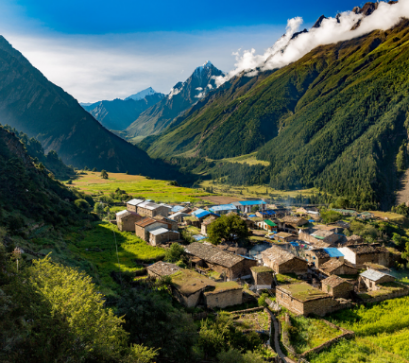
The Lake Sekong trek is known as an ideal day walk or short overnight trek, making it accessible for casual hikers as well as more seasoned walkers. Trails pass through remote villages where travellers can experience local Thakali culture and hospitality.

Culture and Local Significance
The region around Sekong is inhabited by ethnic groups whose lives are deeply connected with the rugged Himalayan environment. Villages nearby often rely on agriculture and animal husbandry, and encounters with local culture are a part of the trekking experience.
While detailed documented religious significance specific to Sekong itself is not widely noted in official sources, many high-Himalayan lakes in Nepal are associated with local spiritual beliefs and seasonal rituals. Unlike well-known pilgrimage sites such as Gosaikunda or other sacred lakes, Sekong’s cultural importance is more subtle and linked to local traditions.
Ecology and Conservation
Lake Sekong lies within a fragile mountainous ecosystem. The surrounding area supports typical Himalayan flora and fauna adapted to mid-altitude environments. Although the lake lacks formal conservation status comparable to national parks, its remote location has helped protect it from severe human impact.
As tourism interest grows, responsible trekking and environmental protection will be important to preserve the lake’s water quality and natural surroundings.
For trekkers exploring Nepal’s Annapurna region, Lake Sekong offers a peaceful alternative to busier highlights. Its tranquillity and scenic beauty make it a rewarding destination for those who venture off the main trekking highways.
PC: Jim Holmes
Also Read