
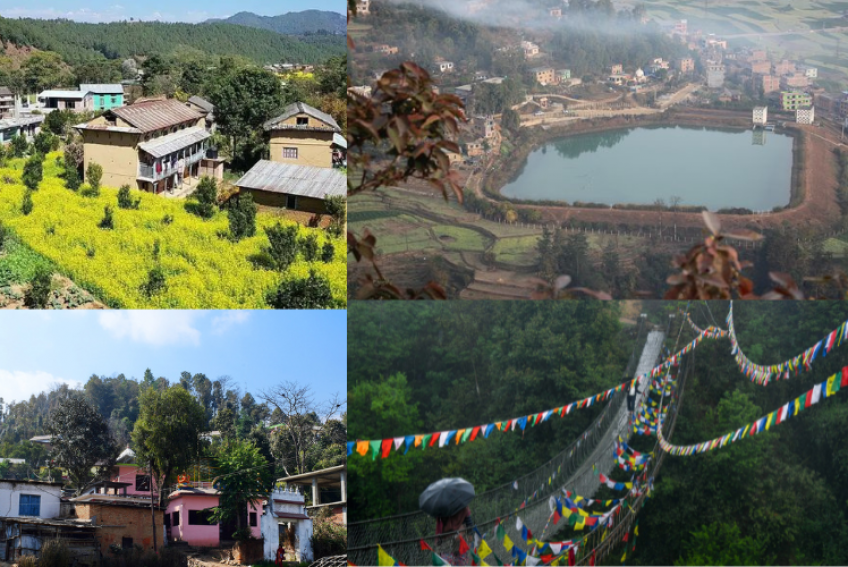
Just 35 kilometres east of Kathmandu lies Khopasi, a quiet yet historically significant settlement in Kavrepalanchok district. Set along the banks of the Roshi River, this rural landscape blends ancient heritage, pioneering hydropower history, and everyday agrarian life, making it one of the most understated yet meaningful countryside destinations near the capital.
Today part of Panauti Municipality, Khopasi remains a place where tradition and modern development quietly coexist.
Khopasi is believed to have evolved through several historical names and eras. Local historical accounts trace its origins back to the Lichhavi period, when it was known as "Kurpasi Gram", later evolving into "Kurpasi Drang" during the Kirat era, and gradually transforming into its present name over centuries of linguistic and cultural change.
This long historical continuity gives Khopasi a deeper cultural identity than its modest size suggests, linking it to early settlement patterns in the Kathmandu Valley’s extended river corridors.
Khopasi holds a special place in Nepal’s development history as the site of one of the country’s earliest hydropower projects.
The Panauti Hydropower Station (also known as Khopasi Hydropower Station) was commissioned in 1965 with assistance from the former Soviet Union. Built on the Roshi Khola, it became the first megawatt-scale hydropower plant in Nepal with an installed capacity of 2.4 MW.
This pioneering project marked a turning point in Nepal’s energy landscape, demonstrating the potential of harnessing Himalayan rivers for electricity generation. Even today, the facility remains a symbolic landmark of Nepal’s early industrial ambition.
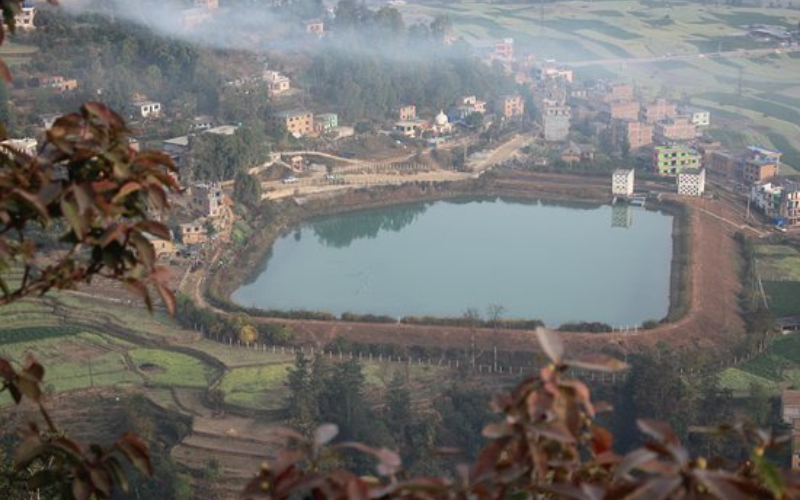
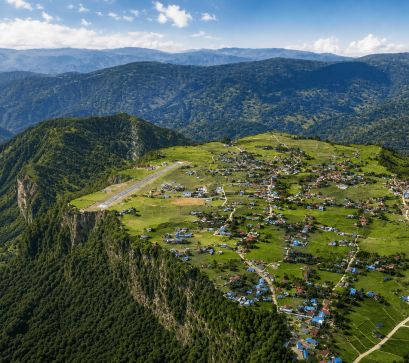
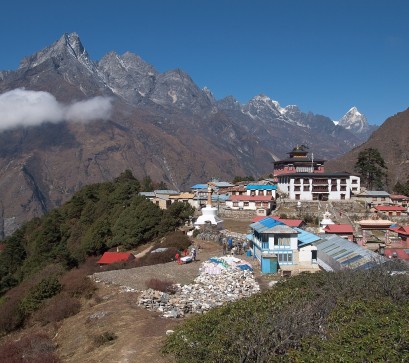
Khopasi is defined by its fertile river valley, terraced farmland, and traditional settlements. Agriculture remains the backbone of local life, with residents cultivating rice, maize, millet, and seasonal vegetables.
The Roshi River not only supports irrigation but also shapes the valley’s geography, creating a calm, scenic environment ideal for slow travel and countryside exploration.
Despite its proximity to urban centres, Khopasi retains a distinctly rural character where farming rhythms still define daily life.
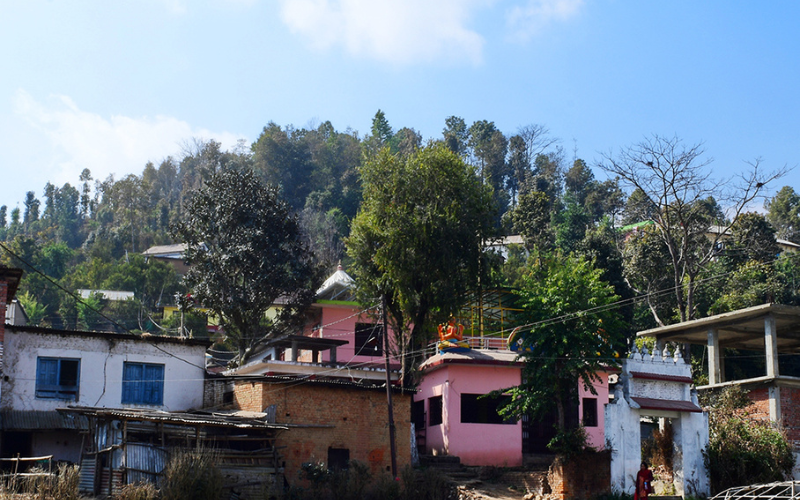
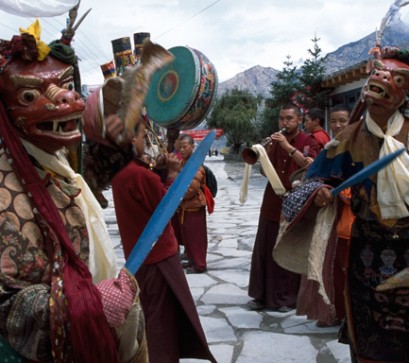
The region is culturally layered, with influences from Newar and hill communities. Small temples, local shrines, and traditional festivals continue to play an important role in community life.
Historical references also suggest connections to ancient routes and settlements linked to early Kathmandu Valley civilisation, adding a cultural depth beyond its physical landscape.
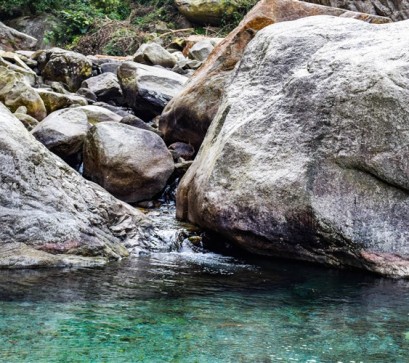
Khopasi offers simple yet rewarding nature experiences. Visitors can enjoy riverside walks along the Roshi Khola, short hikes into surrounding hills, and peaceful picnic spots away from city noise.
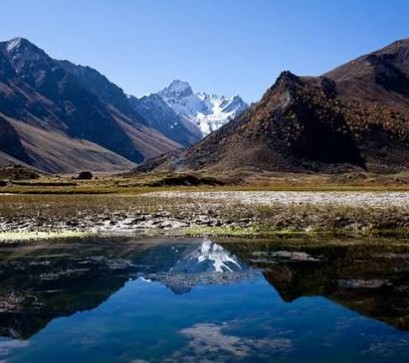
The surrounding hills provide panoramic views of terraced fields and distant ridgelines, making it especially appealing for photography and quiet reflection.
However, recent environmental concerns in the broader Roshi basin highlight the importance of sustainable land use and river conservation in the region.
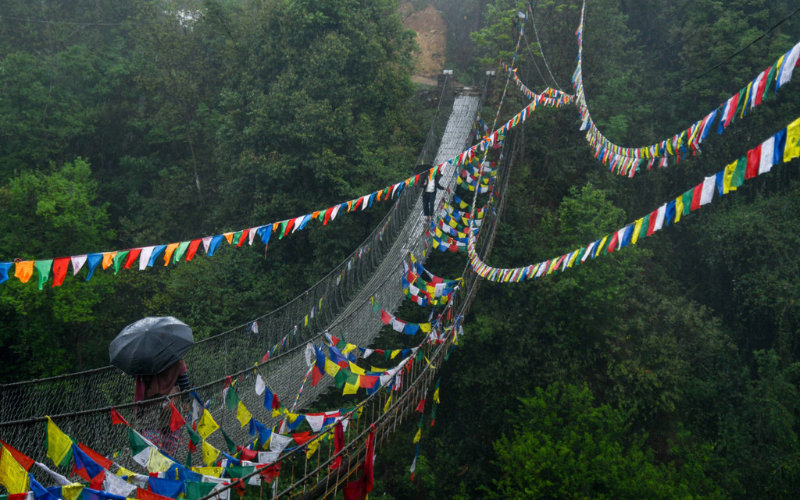
Khopasi is easily accessible from Kathmandu via Banepa and Panauti, with a driving distance of approximately 35-40 kilometres. The journey takes around 1.5 to 3 hours depending on traffic conditions.
The route offers scenic views of hills, rivers, and small towns, making it a pleasant short road trip from the capital.
The ideal seasons to visit Khopasi are spring (March-May) and autumn (September-November) when the weather is clear and the landscape is lush yet accessible. Winter provides crisp visibility, while monsoon transforms the valley into a green but rain-sensitive terrain.
Khopasi may not appear on mainstream tourist maps, but its importance lies in its quiet contributions to Nepal’s history; both as an ancient settlement and as the birthplace of one of the country’s earliest hydropower milestones.
For travellers seeking authenticity, heritage, and riverside calm within easy reach of Kathmandu, Khopasi offers a grounded and meaningful escape into Nepal’s mid-hill countryside.
PC: Tripadvisor, Himalayan Mentor, Orphaned Nation
Also Read

.jpg)
.jpg)