Situated on the southern bank of the Bagmati River, just a short distance from the revered Pashupatinath Temple, Guhyeshwari Temple is one of Nepal’s most important shrines to the Goddess. Steeped in Hindu mythology, Tantric tradition, and Buddhist reverence, it is a place of profound spiritual energy.
Mythological and Religious Significance
The name Guhyeshwari comes from the Sanskrit guhya (secret, hidden) and īśvarī (goddess), meaning “Secret Goddess”. In Hindu belief, the temple is among the Shakti Peethas—sacred sites where parts of Goddess Sati’s body fell as Lord Shiva wandered the cosmos in grief after her self-immolation. Scriptures identify this spot as where Sati’s rectum fell, giving it unique significance in Tantric worship.
Guhyeshwari is revered not only by Hindus but also by Vajrayana Buddhists, who associate it with Vajravarahi, a manifestation of the divine feminine.

History and Patronage
While the temple’s earliest origins are uncertain—some traditions place it in the Lichhavi era—its most prominent renovation was undertaken in the 17th century by King Pratap Malla of the Malla dynasty. Since then, it has remained a central pilgrimage site, closely tied to rituals at Pashupatinath.
Architecture and Sacred Symbolism
Built in the traditional Nepali pagoda style, the temple is crowned with gilded finials in the form of nagas (serpent deities). The sanctum does not contain a conventional idol; instead, worship centres on a kalasha (sacred water vessel) set above a natural spring. This spring is regarded as the life-essence of the Goddess, its waters believed to hold purifying and protective power.
Intricate woodwork and carvings adorn the temple structure, echoing the artistry of the Malla period. The courtyard’s serene atmosphere is complemented by the murmur of the nearby Bagmati River.

Rituals and Festivals
Guhyeshwari Temple is especially important in Tantric practice, with rituals performed by Karmacharya priests according to the Kaula tradition, alongside Vedic rites led by Rajopadhyaya Brahmins. It is mentioned in sacred texts such as the Kali Tantra, Chandi Tantra, and Shiva Tantra Rahasya.
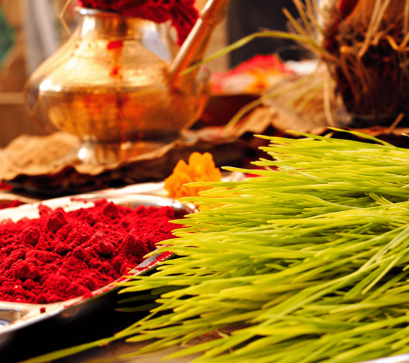
The temple draws large crowds during Dashain (Navaratri) and Maha Shivaratri, when devotees offer flowers, incense, and sacred water. Many pilgrims follow the tradition of visiting Guhyeshwari before proceeding to Pashupatinath, symbolising the union of Shakti (divine feminine) and Shiva (divine masculine).
Guhyeshwari Temple is not merely a place of worship but a living embodiment of Nepal’s spiritual and artistic heritage. Whether approached through Hindu devotion, Tantric ritual, or Buddhist reverence, the temple radiates an aura of mystery, sacredness, and deep cultural history.
PC: Wikimedia Commons, Flickr
Also Read