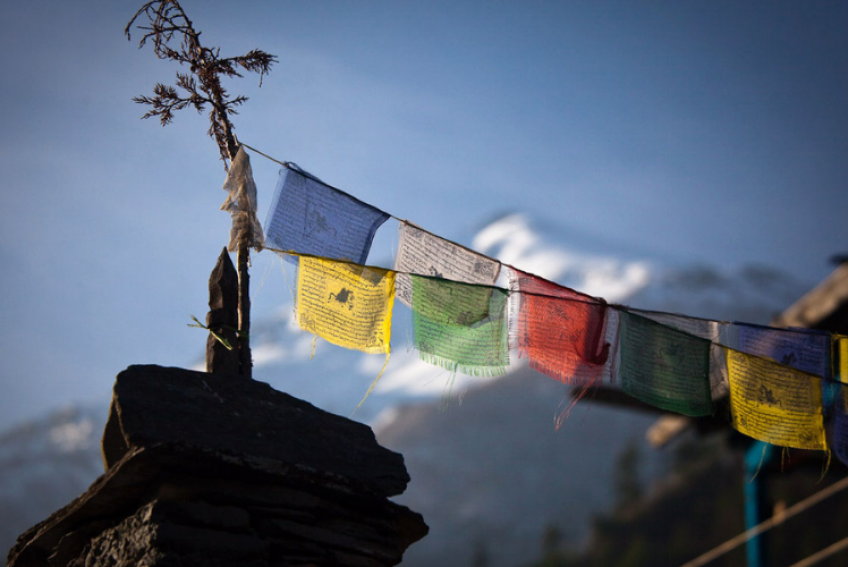
Nepal’s geography naturally encourages a slower rhythm of travel. With the Himalayas stretching across the northern horizon and lush hills cascading into river valleys, journeys here are rarely rushed.
Rather than highways and high-speed transport, travellers often move along mountain trails, terraced paths, and winding hill roads. Treks through regions such as the Annapurna and Langtang areas reveal landscapes that change gradually, rhododendron forests giving way to alpine meadows, and remote villages appearing like quiet islands in the mountains.
The pace of travel becomes part of the experience. Walking from one settlement to another, sharing tea with locals, and observing daily village life allows travellers to connect deeply with the land.
Villages Where Time Moves Differently
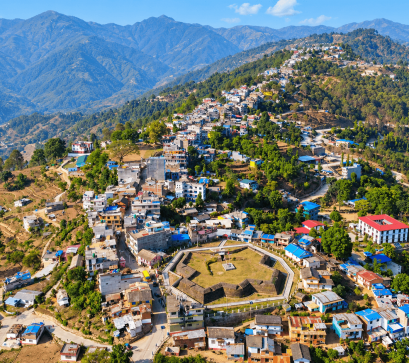
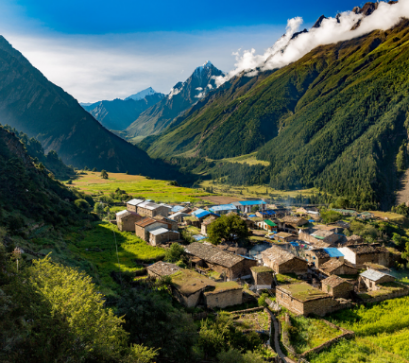
Slow travel in Nepal is perhaps best experienced in its villages. Communities scattered across the hills and valleys maintain lifestyles that have remained largely unchanged for generations.
Places like Jagat, traditional settlements of the Kathmandu Valley, and remote Himalayan hamlets offer visitors a glimpse into agricultural routines, local craftsmanship, and cultural traditions that unfold at their own pace. Days begin with the sound of temple bells and end with quiet mountain sunsets.
Travellers who stay longer in these villages often find themselves participating in everyday life: helping harvest crops, learning local recipes, or simply listening to stories shared over a cup of butter tea.
Ancient Trails and Walking Culture
Nepal’s long-standing walking culture makes it ideal for slow exploration. For centuries, traders, pilgrims, and villagers moved across the hills on foot, creating networks of trails that still serve as the backbone of travel in rural regions.
Many of today’s trekking routes follow these historic paths. Walking them allows travellers not only to appreciate Nepal’s natural beauty but also to witness cultural landscapes: stone staircases, prayer walls, mani stones, and centuries-old monasteries.
The journey becomes less about reaching a destination and more about the experiences encountered along the way.
Spiritual Spaces for Reflection
Nepal’s spiritual heritage naturally aligns with the philosophy of slow travel. Sacred sites such as Swayambhunath, Boudhanath, and mountain monasteries scattered across the Himalayas encourage reflection and mindfulness.
Visitors often spend hours observing prayer rituals, spinning prayer wheels, or simply sitting in quiet contemplation. The atmosphere around these spiritual centres invites travellers to pause, breathe, and engage with the deeper cultural rhythms of the country.
This sense of calm is one of the reasons many travellers describe Nepal not just as a destination, but as a place for personal reconnection.
Sustainable and Community-Based Travel
Slow travel in Nepal also aligns closely with sustainability. Many village homestays, community lodges, and local trekking initiatives allow travellers to support rural economies directly.
By staying longer in one place rather than rushing through multiple destinations, visitors reduce environmental impact while fostering meaningful connections with local communities. Experiences such as farm stays, village tours, and traditional craft workshops create travel that benefits both guests and hosts.
This approach reflects Nepal’s growing emphasis on responsible tourism and community empowerment.
A Journey That Stays With You
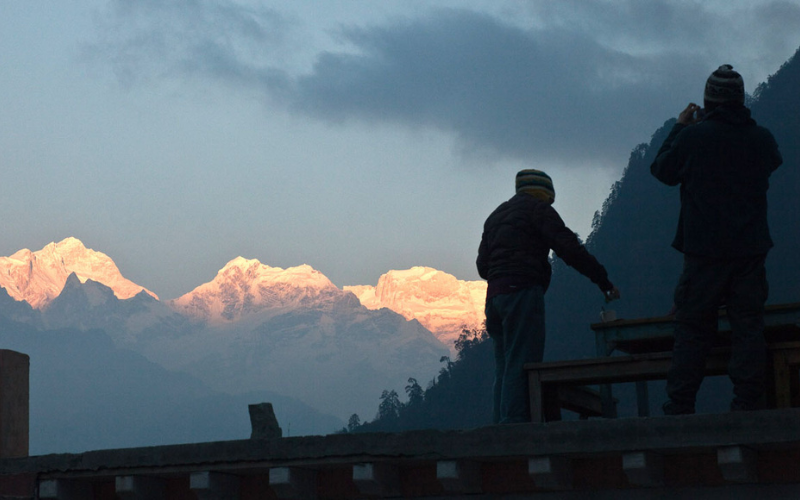
What makes Nepal truly special for slow travellers is not just its landscapes but the feeling of time expanding. Moments linger longer here, the warmth of a village welcome, the quiet rhythm of monastery chants, or the sight of the Himalayas glowing at sunrise.
In a world increasingly defined by speed, Nepal offers something rare: the chance to travel slowly, observe deeply, and experience a destination with genuine presence.
For those willing to slow down, Nepal reveals itself not in hurried snapshots but in meaningful, unforgettable journeys.
PC: Switchback Travel
Also Read