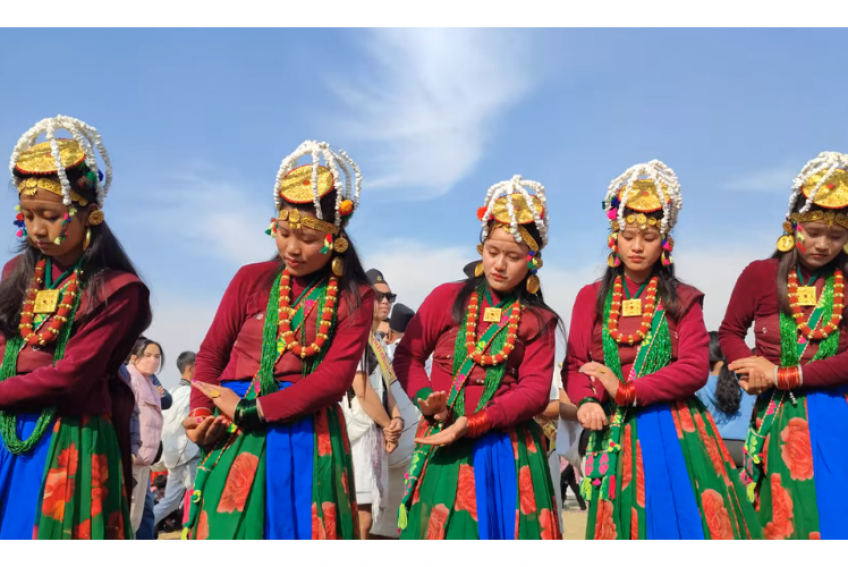
Deep in the mid-hills of Nepal, where terraced fields fold into forested ridges and villages wake to the sound of rivers rather than traffic, an ancient ritual quietly comes alive each spring. This is Ghatu Naach, one of the most spiritually profound cultural traditions of the Gurung community, performed not as entertainment, but as a living act of memory, myth, and devotion.
For travellers seeking more than landscapes, those drawn to Nepal’s intangible heritage, Ghatu Naach offers a rare window into a world where dance becomes belief, and performance becomes possession.
What is Ghatu Naach?
Ghatu Naach is a ritual dance-drama tradition of the Gurung community, performed primarily during Baisakh (April-May). It combines storytelling, music, trance, and spiritual invocation to retell ancient legends preserved entirely through oral tradition.
At its core, Ghatu Naach is not staged for an audience in the modern sense. It is performed as a ritual offering, believed to bring harmony, protection, and seasonal blessing to the community.

Where is Ghatu Naach performed?
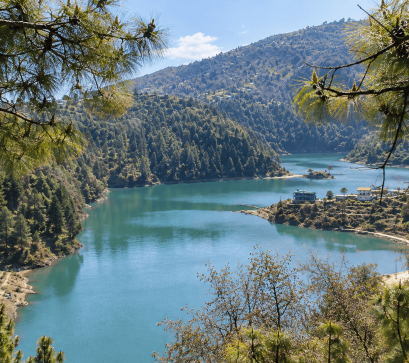
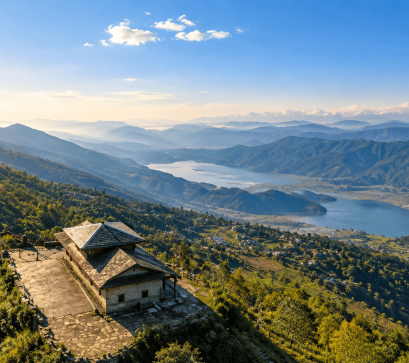
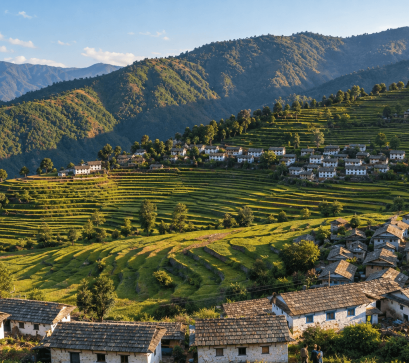
Ghatu Naach is traditionally performed in Gurung villages across Nepal’s mid-hills, especially in:
These performances usually take place in open village courtyards, community spaces, or near sacred natural sites such as riverbanks and groves.
Who performs Ghatu Naach?
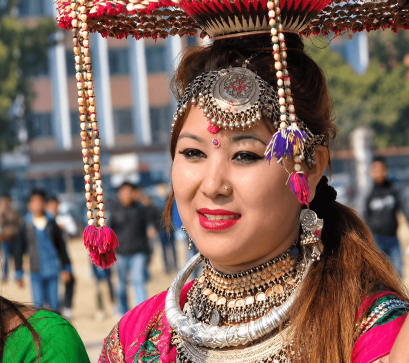
One of the most distinctive aspects of Ghatu Naach is its performers.
The selection of dancers is considered sensitive, often guided by community elders and ritual signs, rather than open participation.
Why is Ghatu Naach performed?
Ghatu Naach serves multiple intertwined purposes:
In essence, Ghatu Naach exists at the intersection of faith, ecology, and memory.
The Story Behind Ghatu Naach
At the heart of Ghatu Naach lies a mythic tale of a young king and queen, preserved entirely through song rather than written text. In most versions, the couple begins their life in harmony—symbolising prosperity, love, and balance within the kingdom—before fate intervenes and brings separation through journey, war, or divine will. What follows is the queen’s emotional journey of longing and devotion, which becomes the soul of the narrative. As the story is sung during the ritual performance (Ghatu geet), it is believed to come alive through the dancers, who gradually embody the characters and enter a trance-like state. With no single fixed version across villages, the story shifts in names and details, yet always retains its essence of love, loss, and spiritual transcendence.
How is Ghatu Naach performed?
The performance unfolds gradually over days or even weeks:
The trance element is central—it is considered proof that the ritual has spiritually succeeded.
What instruments are used?
Ghatu Naach is performed with traditional Nepali folk instruments, primarily:
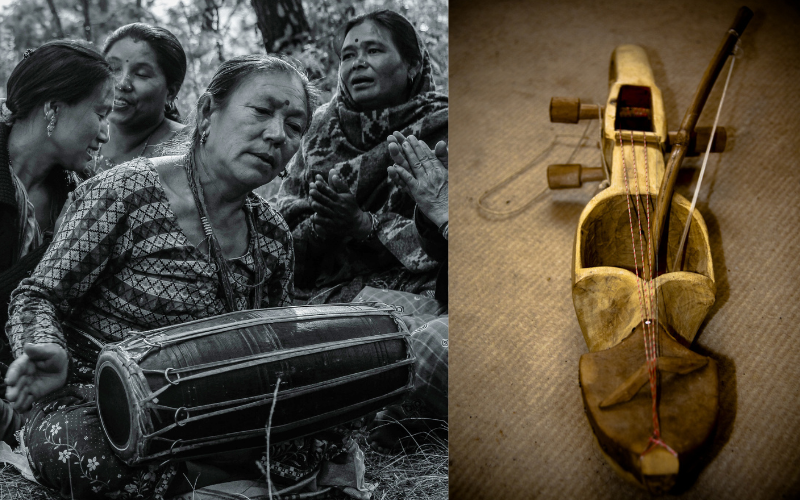
There are no modern instruments. The soundscape is intentionally minimal, allowing the voice and rhythm to guide the ritual.
When is Ghatu Naach performed?
The main season is:
The timing is deeply symbolic, marking the transition from winter dormancy to seasonal growth.
How can tourists experience Ghatu Naach?
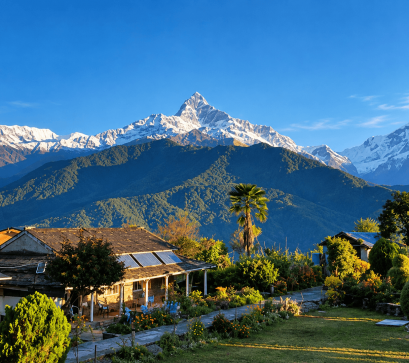
For culturally sensitive travellers, Ghatu Naach can occasionally be witnessed in rural Gurung villages, especially in the Annapurna region.
However, it is important to note:
The most authentic experiences happen when travellers visit with local guides or community-based tourism initiatives in regions like Lamjung or Kaski.
Cultural Importance Today
Despite modern influences and migration, Ghatu Naach continues to survive as a living heritage practice. However, it is becoming rarer due to:
Yet, in villages where it is still practised, Ghatu Naach remains a powerful symbol of identity and continuity.