Nepal is a landlocked country situated between India to the south, east and west, and China (Tibet) to the north. Despite its relatively small size, Nepal contains one of the greatest ranges of landscapes on Earth. Within a distance of less than 200 kilometres, the land rises dramatically from low, tropical plains to the highest mountain peaks in the world. This remarkable variation shapes the country’s climate, wildlife, culture and way of life.
The Terai: The Southern Lowlands
The southernmost region of Nepal is the Terai, a flat and fertile belt of lowland plains. This region is the agricultural heart of the country, supported by deep alluvial soils deposited by rivers flowing down from the Himalayas. Rice, wheat, maize, sugarcane and mustard are widely cultivated here.
The Terai is also rich in wildlife and forests. National parks such as Chitwan and Bardia protect subtropical sal forests, grasslands and wetlands. These habitats support endangered species including the one-horned rhinoceros, Bengal tiger, Asian elephant, gharial crocodile and hundreds of bird species. The warm climate, dense vegetation and abundant rivers make the Terai both Nepal’s main food-producing area and its most important wildlife zone.

The Hill Region: Valleys and Terraced Slopes
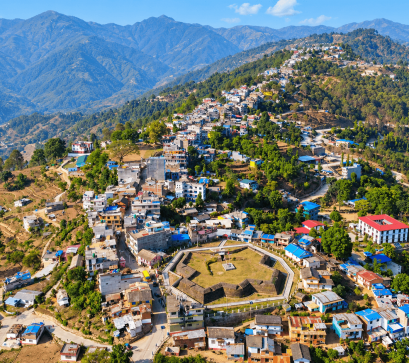
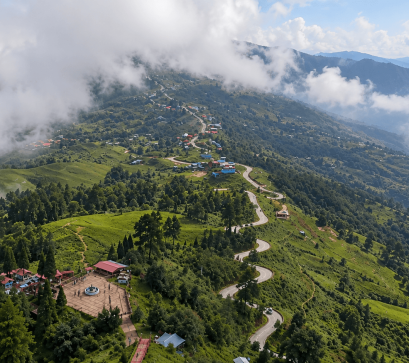
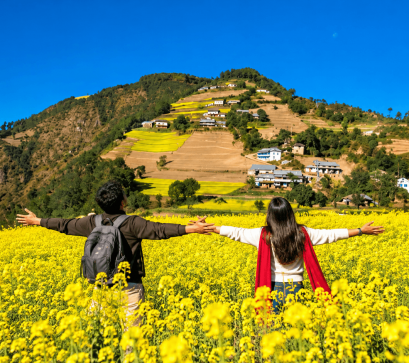
North of the Terai, the land rises into the Hill Region, often called the mid-hills. This zone consists of steep ridges, deep river valleys and fertile basins. Because flat land is scarce, farmers have carved terraces into the hillsides, creating striking step-like patterns used to grow rice, maize, millet, potatoes and vegetables.
Some of Nepal’s most important cities and historic centres lie in this region, including the Kathmandu Valley and the Pokhara Valley. These areas have long been centres of trade, religion and culture, containing ancient temples, palaces and traditional settlements. Rivers cut through narrow gorges, forming waterfalls and providing water for irrigation and daily life.
The Himalayan Region: The High Mountains
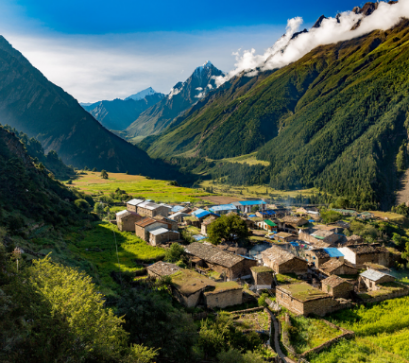
The northern part of Nepal is dominated by the Himalayas, the highest mountain range on Earth. Nepal is home to eight of the world’s fourteen peaks above 8,000 metres, including Mount Everest, the highest point on the planet. This region is characterised by snow-covered summits, glaciers, rocky ridges and high mountain passes.
Below the permanent snow line, forests of pine, fir and rhododendron cover the slopes. Above the tree line, alpine meadows bloom briefly during summer. Remote mountain communities such as Namche Bazaar, Manang and Lo Manthang maintain strong Tibetan-influenced traditions, with monasteries, prayer flags and ancient trade routes forming an important part of daily life.
Rivers, Lakes and Valleys
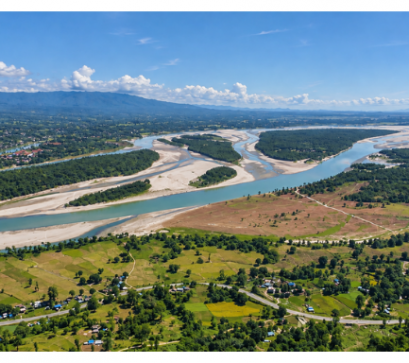
Nepal has thousands of rivers and streams, most of which originate in the Himalayas and flow southwards to the plains. Major river systems such as the Koshi, Gandaki and Karnali shape valleys, provide fertile soils and supply water for farming and hydroelectric power.
Lakes are scattered throughout the country. Rara Lake in the far west is the largest natural lake in Nepal, while Phewa, Begnas and Rupa Lakes in the Pokhara Valley are well known for their scenic beauty. Many of these lakes were formed through geological processes involving river activity and glacial deposits over long periods of time.
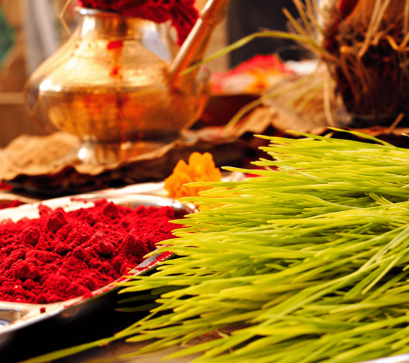
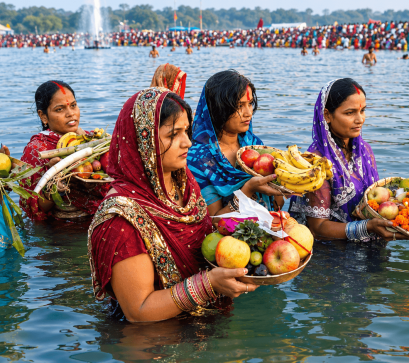
Rivers such as the Bagmati and Gandaki also hold deep religious significance and play an important role in Hindu and Buddhist rituals and traditions.

A Living Landscape
Nepal’s landscapes are closely tied to the lives of its people. Farmers, herders, monks and traders have adapted to their environments for centuries. Terraced hillsides, mountain trails, sacred rivers and forest shrines show how human life and natural geography are interwoven throughout the country.
From the tropical plains of the Terai to the icy summits of the Himalayas, Nepal displays an extraordinary range of landscapes within a remarkably small area. This diversity not only creates stunning natural beauty but also shapes the nation’s culture, economy and traditions. Nepal’s varied terrain makes it one of the most geographically remarkable countries in the world.
PC: Wikimedia Commons, Flickr
Also Read