Saraya Naach is a vibrant traditional folk dance from the hill regions of western Nepal, particularly associated with Gulmi District and Palpa District. Performed primarily during Dashain, the country’s most important festival, this energetic dance symbolises bravery, celebration, and strong communal bonds.
Recognised for its striking choreography featuring the iconic Nepali khukuri, Saraya Naach remains an important expression of western Nepal’s living folk traditions and cultural heritage.

Cultural Significance of Saraya Naach
Saraya Naach is traditionally performed by groups of men who dance while holding khukuri, the curved knives, swords (talwar), and khuda (a type of heavy sword) historically associated with Nepali warriors. In some performances, dancers also carry shields, creating a visual representation of martial readiness and courage.
The dance reflects the historic warrior traditions of the hill communities of western Nepal, among communities who have long inhabited the region. Through rhythmic movements and symbolic gestures, Saraya Naach celebrates strength, unity, and the spirit of victory.
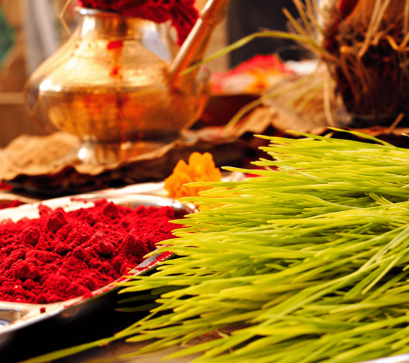
The performance also aligns with the celebratory atmosphere of Dashain, a festival that commemorates the triumph of good over evil and marks a time of family gatherings, community celebrations, and agricultural prosperity.
Music and Performance Style
Saraya Naach is performed to lively traditional music played on instruments such as the madal, a double-headed hand drum widely used in Nepali folk music, and jhyali, a pair of metal cymbals that create sharp rhythmic accents.
Dancers usually move in coordinated formations, often forming circles or advancing in groups while synchronising their steps with the rhythm of the music. The choreography may include stamping movements, turning sequences, and dramatic gestures with the khukuri, evoking both celebration and symbolic combat.
Chanting and traditional songs often accompany the dance, enhancing the communal atmosphere and encouraging audience participation.

Saraya Naach Today
Although Saraya Naach originates in rural hill communities, it continues to be widely performed during Dashain celebrations, village festivals, and cultural programmes across western Nepal. Community groups and cultural organisations have also begun showcasing the dance at heritage events and cultural festivals, helping preserve the tradition for younger generations.
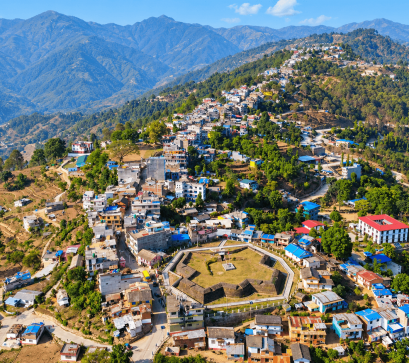
In districts such as Gulmi and Palpa, Saraya Naach remains an important element of local identity and is often performed in open community spaces where villagers gather to celebrate the festival together.
Beyond its energetic choreography, the dance reflects the historical resilience, martial heritage, and collective spirit of Nepal’s hill communities. Experiencing Saraya Naach provides visitors with a deeper understanding of how festivals, local history, and cultural identity remain closely intertwined in Nepal’s diverse cultural landscape.
Also Read