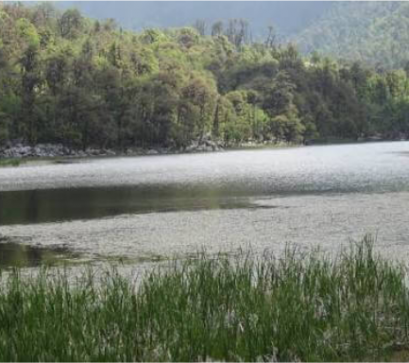
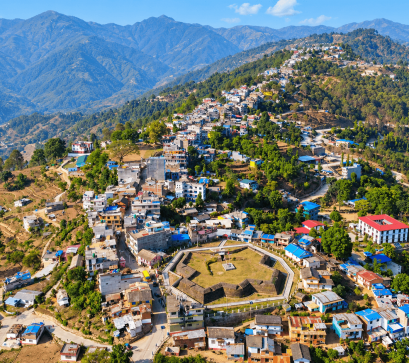
Located near the eastern entrance of the city, Siddha Pokhari, also known locally as Ta Pukhu, is one of the most prominent water reservoirs in Bhaktapur. With an approximate depth of three metres, the pond was constructed in the 15th century during the reign of Yaksha Malla.
The large rectangular pond served both practical and spiritual purposes for the city. Recognised as the largest man-made pond in Bhaktapur, it measures approximately 171 metres in length and 73 metres in width, which is why locals commonly refer to it as Ta Pukhu, meaning “the big pond.”
Historically, such ponds were crucial components of urban planning in the Kathmandu Valley. They supplied water, supported agriculture and acted as gathering places for the community. Over time, however, Siddha Pokhari became more than just a reservoir, it evolved into a place intertwined with local myths and sacred storytelling.
Today, pigeons gather along its edges, locals stroll beside its calm waters, and travellers often pause here to witness the reflections of Bhaktapur’s sky and heritage.
The Legend of the Serpent and the Tantric
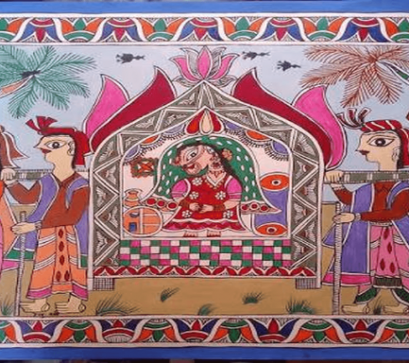
Among the most intriguing stories associated with Siddha Pokhari is a legend rooted in the mystical traditions of the valley.
According to local folklore, the pond was once believed to be inhabited by a powerful Naga, a serpent spirit regarded in Himalayan belief systems as the guardian of water sources. These mythical beings were said to control rainfall, fertility and the health of natural springs.
One tale recounts the story of a powerful tantric practitioner who decided to confront the Naga residing within Siddha Pokhari. Using his spiritual abilities, he transformed himself into a serpent to battle the mythical creature beneath the water.
Before beginning the confrontation, he instructed a trusted friend from the nearby town of Thimi to scatter enchanted grains of rice around the pond once the battle ended. The ritual was meant to break the spell and return him to human form.
However, as the fierce struggle unfolded beneath the waters, the friend grew terrified by the sight of two serpents battling violently. Overcome with fear, he fled without performing the ritual.
Without the magical rice to end the transformation, the tantric remained trapped in serpent form forever, becoming part of the pond’s spiritual lore.
Locals from Thimi traditionally avoided visiting Siddha Pokhari, believing that the pond might draw them in as revenge for abandoning the tantric.

Symbolism in Valley Folklore
Stories such as this reflect deeper aspects of Kathmandu Valley’s cultural beliefs. In Nepali tradition, Nagas are not merely mythical creatures but sacred guardians associated with water bodies, rainfall and agricultural prosperity.
The legend of Siddha Pokhari also highlights the strong presence of tantric traditions within Newar culture. During the medieval period, tantric practices were deeply intertwined with religious life, particularly in cities like Bhaktapur where Hindu and Buddhist traditions blended seamlessly.
Through such tales, natural spaces like ponds and springs were imbued with spiritual significance, reinforcing respect for the environment and the unseen forces believed to inhabit it.
Siddha Pokhari Today
Despite the mysterious folklore surrounding it, Siddha Pokhari today is one of Bhaktapur’s most peaceful public spaces. Visitors often come here to watch the changing colours of the sky mirrored in the still water, feed pigeons or simply enjoy a quiet moment away from the bustling squares.
Its reflective surface captures the essence of Bhaktapur, a city where history, architecture and myth coexist naturally.
For travellers exploring Bhaktapur’s ancient lanes, Siddha Pokhari offers not only a scenic pause but also a reminder that many places in Nepal carry stories beneath their surface: stories that continue to echo through generations.
PC: Wikimedia Commons
Also Read