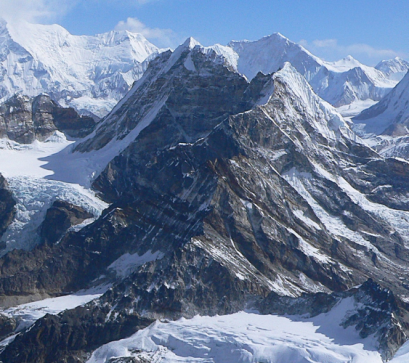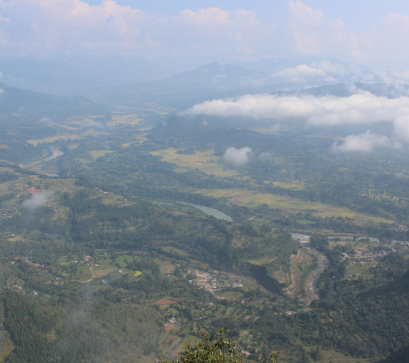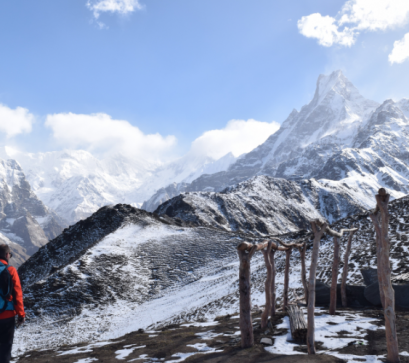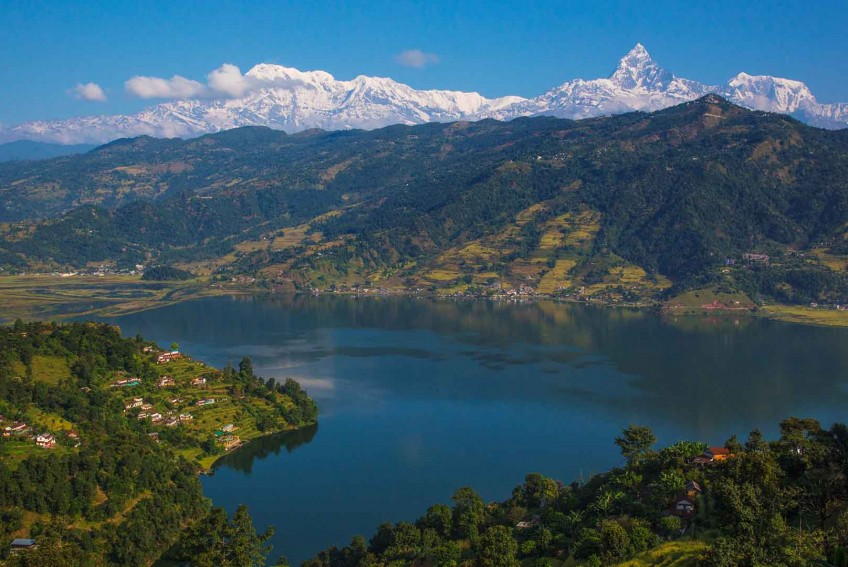
In the far northwest, cradled between forested ridges and snow-dusted peaks at nearly 3000 meters, sits the Rara lake —Nepal’s best kept secret. Rara is Nepal’s biggest lake, and on most days the quietest and the most tranquil place to share your existence with. The lake is turquoise in the morning, by afternoon, deepens to cobalt, and at dusk catches fire in colours that reflect the sun almost entirely.
The only way to truly arrive at Rara is to earn it. By flight, by foot, or — as I did, by road through the hidden Himalayas of Jumla. However you come, you will arrive the same way: dusty, tired, and entirely unprepared for what the lake looks like when you first see it. There’s no stalls, no souvenirs, no crowds. Just the still calmness of the lake and the forest, and sounds of birds you haven’t heard before.

Kathmandu recedes slowly— first, the traffic, the buildings, then the noise. The road west stretches ahead for hours, through the Terai flatlands, past roadside tea stalls, through towns whose names I hadn't heard before. This was not the Nepal of the guidebooks.
In any comfortable sense of the word, the Jumla road is not a road. It is a track carved into mountainsides, following the Karnali river as it cuts through gorges older than memory. The landscape kept changing. Green terraced fields to bare rock, pine forests thinned out into alpine scrub. The Karnali was always there– loud, cold, and indifferent.
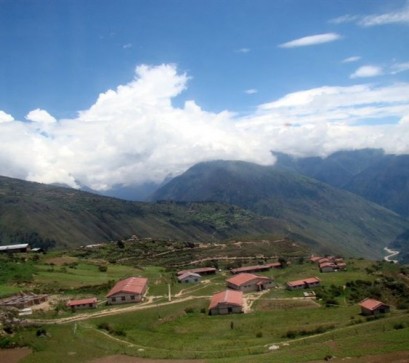
The villages along the Jumla roads, and through the Sinja valley feel like they belong to a different century. Small clusters of stone houses perched on hillsides, fields of barley and millet, children watching the jeep pass with open curiosity. People here live at the edge of what connectivity and government services can reach. I was reminded, not for the first time, that Nepal's real life happens in these quiet places where the mountains are not a backdrop but a fact of daily existence.
As darkness took over the clear skies, we halted overnight at a small hotel in Jumla. The heat of the sun was replaced by the cold winds of February.
We arrived at the lodge nearby Rara National Park, with Rara just a few hundred meters across, late at night– tired, sluggish, and all the while excited for the new adventure for the next day. The Marsi rice we ate at night restored our energy for our walk the next morning.
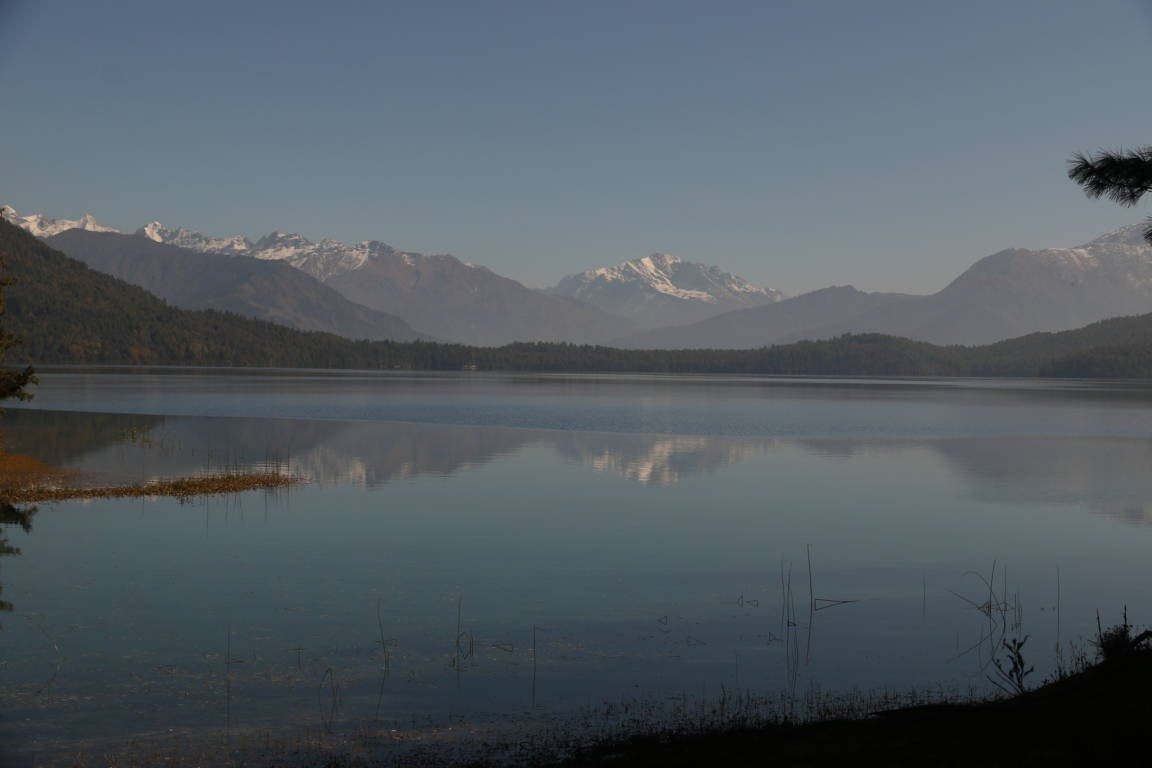
The next morning, at around 8 am, we took off for our walk to the lake, after collecting our tickets. After 3 days on the road, the walk was albeit a little difficult— though not something I was unprepared for. What I was indeed not prepared for was Rara. The lake appeared slowly— a wide flat mirror of turquoise between forested hills and snow-capped peaks. After the dust, the rattling jeep, and the noise, the silence and tranquility of water felt physical. The water was so clear you could see the bottom in the shallows. The surface of the lake reflects the mountains perfectly, as though the peaks are admiring themselves.
The return was the same road, the same bends, the same dust. But it all felt different.Going in, the impatience to reach had taken over. But returning back the same roads, it was easier to observe the landscape more carefully– finally realizing its worth.
The Jumla road to Rara gives you something that no flight can– the full sense of how far Rara really is. How remote. How untouched.
By the time you reach the lake, you will have crossed half of Nepal. You will have seen the country shift from its chaotic duty and dense population to quiet farmlands to empty mountains. You will have earned the silence.
Article by: Utshaha Thapa
Picture credits: Wikimedia Commons
Also Read