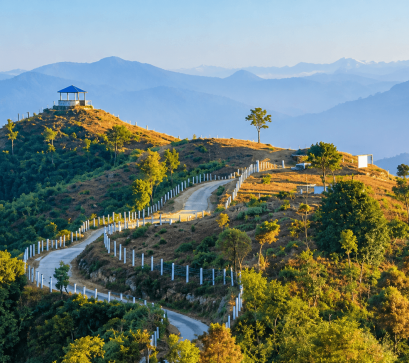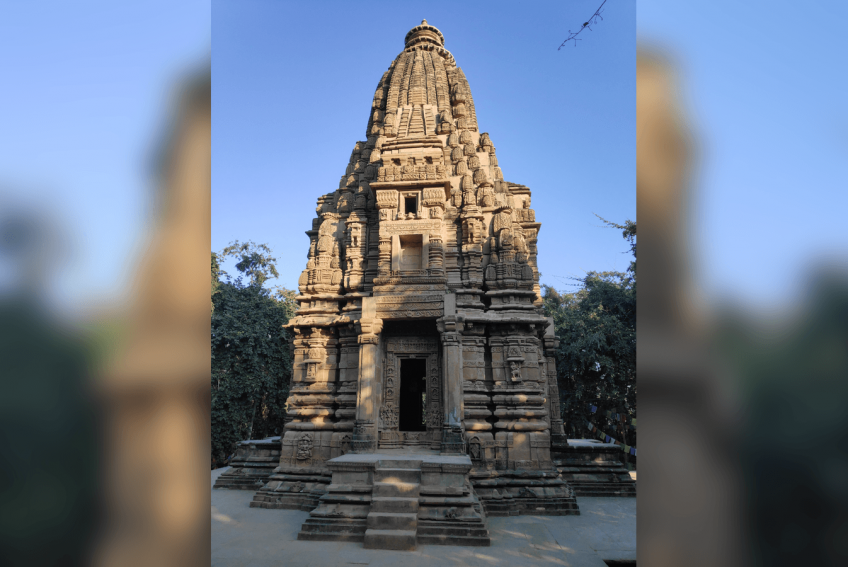
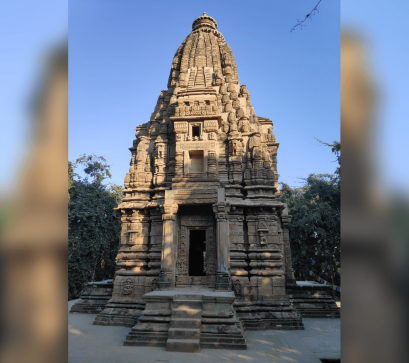
Kakrebihar gets far less attention than Nepal's better-known heritage sites, yet it is a major archaeological site in Karnali Province. It stands on Latikoili Hill in Birendranagar Municipality-9, inside a protected Sal forest of about 175 to 180 hectares. A signboard at the site credits King Ashok Challa of the Khasa Malla period with building it around the 12th century. Some experts say King Kraa Challa built it earlier, and one source gives 1268. The builder remains unconfirmed.
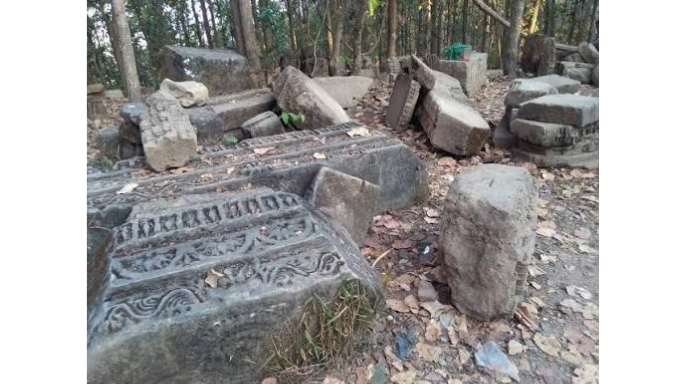
The name has two explanations. One says the hill resembles a cucumber. The other says the temple was built of sandstone or limestone, called kankar in Sanskrit, so Kankarbihar became Kakrebihar. Written records are scarce. According to researcher Jason Hawkes, the only early mention is the Abhisamayalankara manuscript at Tibet's Pon K'an monastery, copied from an original at Kakrebihar. Archaeologists say the temple was in ruins by the late 16th century. Proposed causes include an 1890 earthquake and followers of Shankaracharya, but neither is confirmed.
Guru Yogi Narharinath is credited with finding the site in 1950. King Birendra visited in the early 1970s, after which the hill was fenced and replanted. The Department of Archaeology began excavating in 2004 and recovered 2,028 artefacts, including conch shells, chariot wheels and sculptures. The 2015 earthquake caused more damage. Artisans from Bhaktapur rebuilt the temple using original stone remnants and concrete blocks, finishing in September 2021 BS.
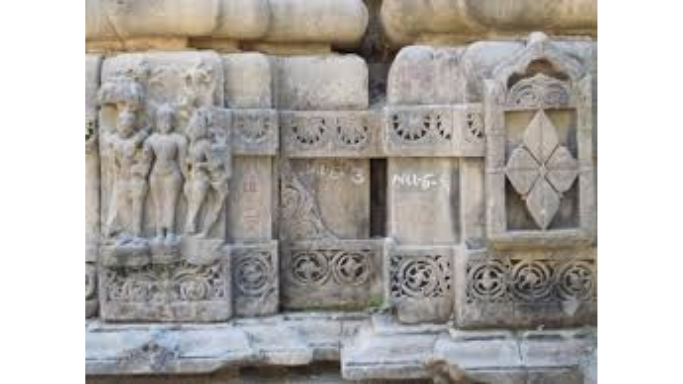
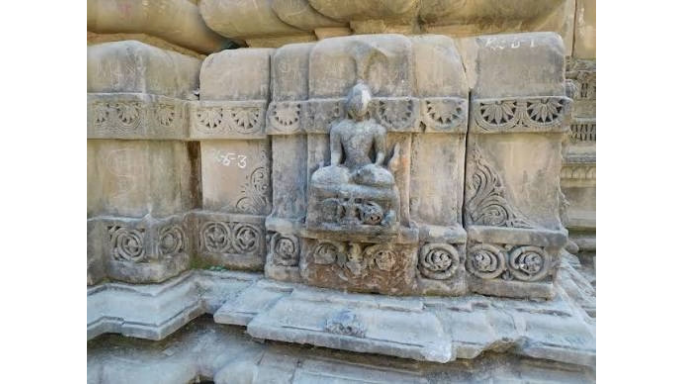
The temple mixes Buddhist and Hindu imagery. Stone reliefs show the life of the Buddha, and other slabs carry Tara, Jambhala, Saraswati, Ganesh, Shiva and Parvati. Reported height varies from six to 21 metres. Many recovered images are kept at the Birendranagar Regional Museum. Local Tharu tradition says the Pandava princes of the Mahabharata once lived here; this is folklore, not documented history.
The site is about 3 km from Birendra Chowk, roughly a 10-minute drive, followed by a walk through Sal forest. One visitor summary lists opening hours of 7:00 AM to 5:00 PM daily and free entry. October to April offers the best weather and views. Allow one to two hours. The visit can be combined with Bulbule Lake. Some sources describe restoration as ongoing, so expect work in places.
Carry water, wear comfortable shoes for the forest path, and check the site signboard for the dates the Department of Archaeology currently uses, as published figures differ.

.png)