Before hotels lined its streets, before cafés welcomed travellers from around the world, and before the sounds of traffic became part of everyday life, Gaurighat was a quiet lakeside settlement where nature set the pace of living.
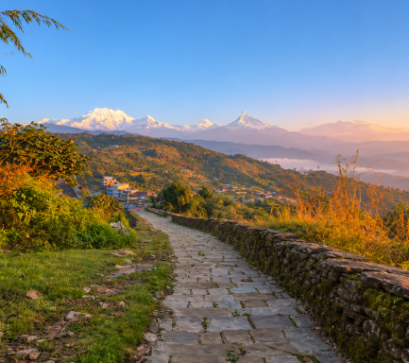
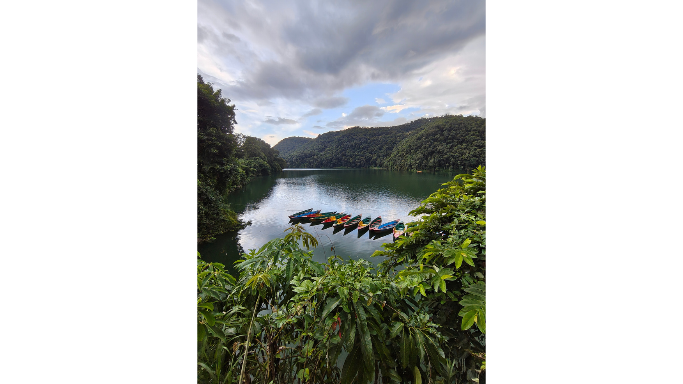
The majestic reflection of Machhapuchhre on Fewa Lake, the gentle movement of traditional wooden boats, and the shade of ancient banyan trees created a landscape of extraordinary simplicity.
There were no crowded streets or towering buildings, only a handful of local shops, scattered homes, agricultural fields and a community deeply connected to its surroundings. For those who remember those earlier days, Gaurighat was more than a beautiful place. It was a way of life.
The old Gaurighat was defined by its peaceful atmosphere. Large banyan trees stood beside unpaved roads, offering natural resting places for residents and occasional travellers. Beneath their spreading branches, people gathered for conversations, exchanged greetings or simply watched the lake.
Small tea stalls and grocery shops served the local community, while traditional dugout wooden boats rested along the shore. Hospitality was personal, and visitors were welcomed not as customers in a busy tourism market but as guests sharing a quiet corner of Pokhara.
Fewa Lake itself was a centre of everyday recreation. Travellers enjoyed boating, fishing and swimming in its clear waters. Local youths demonstrated their courage by jumping from the Gaurighat cliff and swimming towards Raniban, an adventure that became an unforgettable part of the neighbourhood's collective memory.
The water was once remembered for its remarkable clarity, reflecting the blue sky so vividly that some visitors affectionately referred to Fewa as the "Blue Lake."
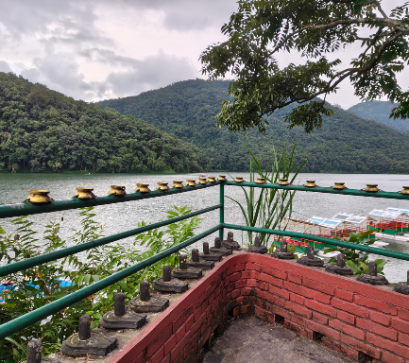
Across the water, the forested slopes of Raniban formed a magnificent green backdrop, while Machhapuchhre rose beyond the surrounding hills. Together, the lake, mountains and forest created a natural panorama that required little human intervention to impress visitors.
Transportation in old Gaurighat was equally simple. Motor vehicles were rare, bicycles were familiar, and walking was part of the lakeside experience.
Among the area's most memorable attractions was a beautifully decorated horse cart that carried visitors from present-day Shahid Chowk towards Barahi Ghat, passing through Gaurighat along approximately two kilometres of scenic lakeside surroundings.
The journey was not merely a means of transportation. It was an experience in itself, allowing travellers to appreciate the settlement, observe local life and enjoy the landscape at a leisurely pace.
As roads improved and motorised transport expanded, the horse cart gradually disappeared. Today, it survives largely in the memories of those who witnessed Gaurighat's early tourism years.
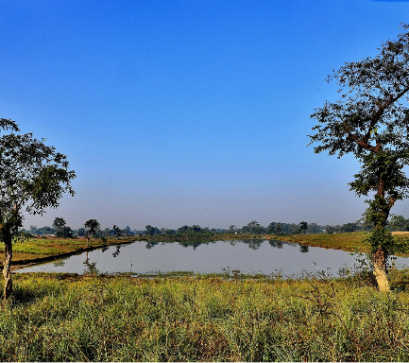
Behind the roadside shops, fields of maize and millet once stretched across the settlement. Agriculture and tourism existed side by side, creating a distinctive landscape where rural livelihoods met the natural beauty of Fewa Lake.
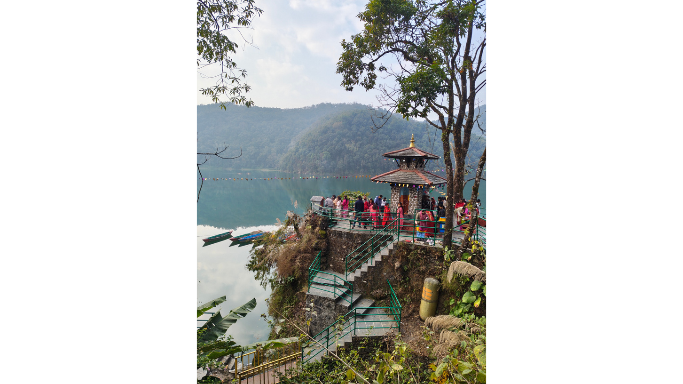
Gaurighat's wider lakeside surroundings also carry connections to Nepal's royal history.
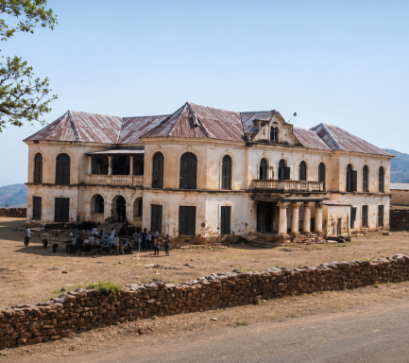
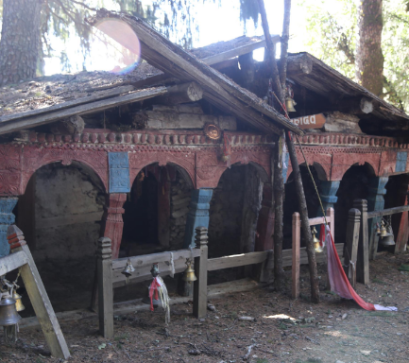
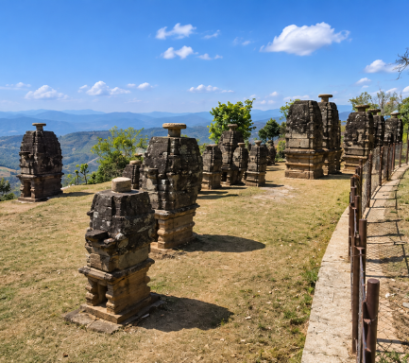
Ratna Mandir and Himagriha, two historic royal properties near Fewa Lake, reflect an important chapter of Pokhara's past. Their presence adds cultural and historical significance to a destination more commonly celebrated for its mountains, lake and adventure tourism.
Another fascinating part of early lakeside tourism was the popularity of postcards.
Small bookshops displayed photographs of traditional boats, Nepali villages, mountain landscapes and smiling local faces. For international visitors, these postcards were more than souvenirs. They offered a personal connection to Nepal and carried memories of Pokhara to distant countries.
At a time when tourism was less commercialised, a simple photograph, a friendly conversation or an afternoon beside the lake could become the most memorable part of a journey.
Over the decades, Gaurighat has undergone a remarkable transformation. Fields that once produced maize and millet gradually gave way to hotels, restaurants, cafés, shops and other tourism businesses. Quiet pathways developed into busy streets, while family-run establishments grew into hospitality enterprises serving both domestic and international visitors.
This transformation brought important economic opportunities. Tourism created employment, encouraged entrepreneurship and introduced new languages, cuisines and cultural influences into the neighbourhood.
Today, Gaurighat forms part of Pokhara's internationally recognised Lakeside tourism area, welcoming travellers who come to experience Fewa Lake and the surrounding landscape.
Yet development has also changed the atmosphere that made the neighbourhood special. The tranquility of its earlier years now competes with commercial activity, growing traffic and increasing pressure on public spaces.
The challenge is no longer simply how to attract more visitors, but how to protect the character that attracted them in the first place.
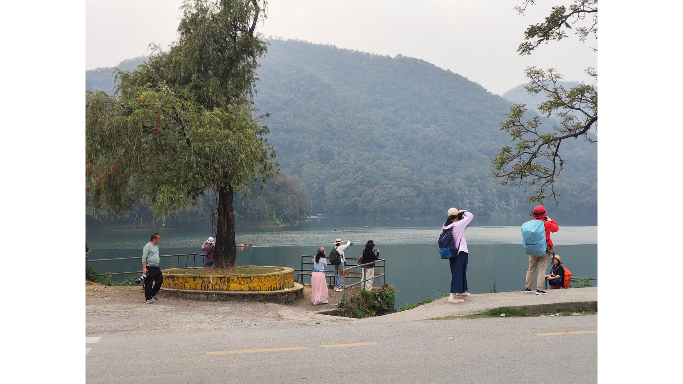
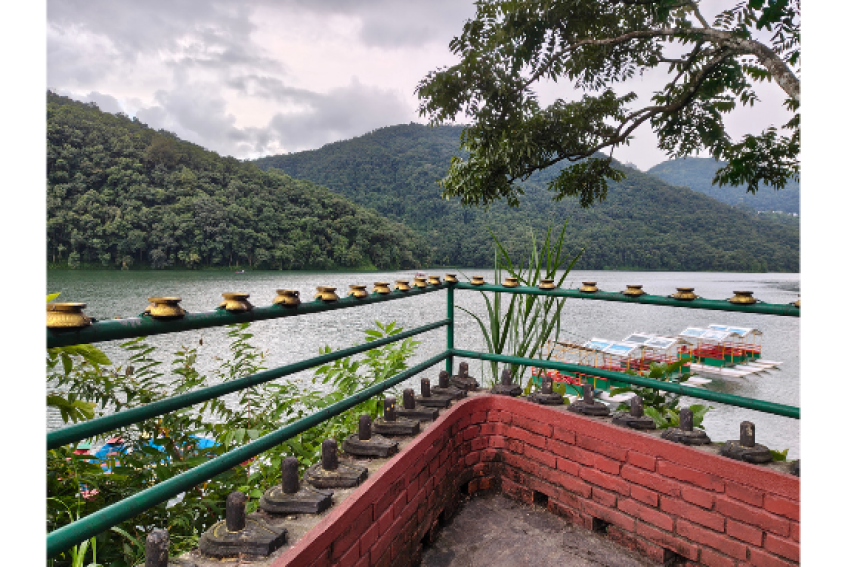
Despite its transformation, Gaurighat continues to offer experiences beyond commercial tourism. The wider lakeside area's religious spaces connect visitors with local beliefs and spiritual traditions. The relationship between faith, water and landscape adds another dimension to Pokhara's tourism identity.
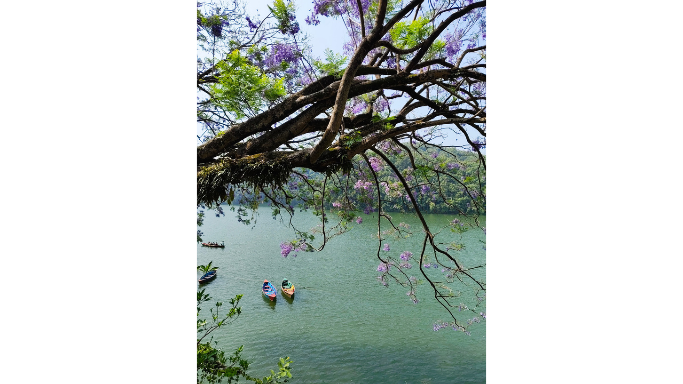
Gaurighat Park provides a welcome green space within the growing neighbourhood. Its jacaranda blossoms bring seasonal colour to the lakeside, creating an appealing environment for relaxation, photography and quiet recreation.
Nearby public spaces also demonstrate the potential of wellness and community-based tourism. Yoga and meditation activities complement Pokhara's peaceful natural setting, while spaces where residents gather to play chess preserve the value of everyday social interaction.
A chess game beneath the shade of a traditional chautari, a quiet morning walk beside the lake or a conversation with a longtime resident can reveal a side of Gaurighat that is often overlooked by conventional sightseeing.
These experiences remind us that tourism heritage does not exist only in historic buildings and monuments. It also lives in shared spaces, local traditions, ordinary conversations and the memories of a community.
Gaurighat's future depends on finding a thoughtful balance between tourism development and heritage conservation. Protecting the remaining green spaces, maintaining public parks, improving the lakeside environment and preserving historic properties should remain important priorities.
Equally valuable would be efforts to document the experiences of longtime residents, collect old photographs and record stories of the neighbourhood's early tourism days. The vanished horse cart, traditional dugout boats, banyan-shaded resting places and agricultural fields may no longer define the physical landscape, but their stories can still enrich Gaurighat's identity.
Heritage walks, photographic exhibitions and community storytelling initiatives could help younger generations and visitors understand how the neighbourhood evolved.
Such initiatives would not require Gaurighat to return to the past. Instead, they would allow the past to remain meaningfully connected to its present.
Gaurighat is more than a commercial extension of Pokhara's Lakeside. It is a living record of changing lifestyles, tourism development, cultural interaction and community resilience.
The hotels, restaurants and busy streets tell the story of its progress. The lake, Raniban forest, historic buildings and memories of its residents tell the story of its roots.
And perhaps the greatest responsibility of Gaurighat's future is to ensure that, amid the excitement of modern tourism, the quiet spirit that once made this lakeshore extraordinary is never forgotten.