A New Addition to Nepal’s Conservation Network
The Government of Nepal announced the establishment of Chhayanath National Park in 2025, marking a significant development in the country’s expanding network of protected areas.
Positioned in the remote district of Mugu in Karnali Province, the park represents a continued effort to strengthen conservation in Nepal’s high-altitude regions. While widely reported as the country’s newest national park, detailed official documentation remains limited, and several aspects of its designation are still emerging in the public domain.
What is clear, however, is its strategic importance within Nepal’s broader environmental framework.
Location and Landscape
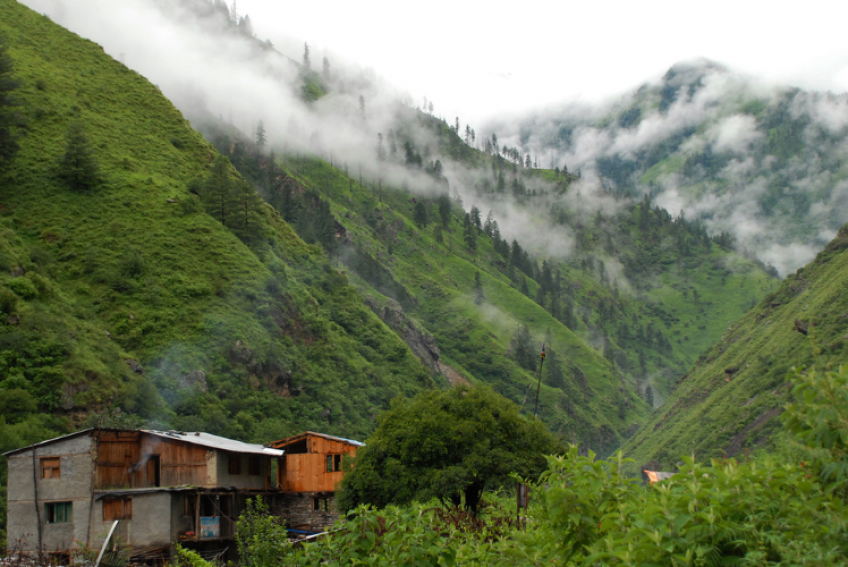
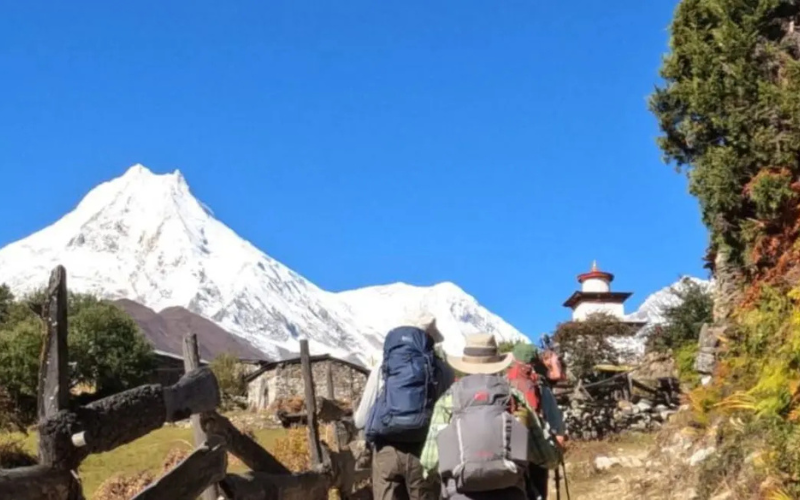
Chhayanath National Park lies within Mugum Karmarong Rural Municipality in north-western Nepal, close to the border with Tibet (China). The region is part of a Trans-Himalayan ecological zone, characterised by dry alpine terrain, high ridgelines, and sparsely populated valleys.
The administrative centre of Gamgadhi serves as the primary gateway to the wider Mugu region, although access remains logistically challenging due to limited infrastructure.
Prior to its designation, the area was managed within a broader conservation landscape associated with Shey Phoksundo National Park, one of Nepal’s largest protected areas.
Ecological Significance
The park falls within a high-altitude environment that is widely recognised for supporting fragile alpine and Trans-Himalayan ecosystems.
While detailed, park-specific biodiversity inventories have not yet been widely published, the broader region is considered suitable habitat for several high-altitude species typical of north-western Nepal. These include:
Avian life in similar habitats includes species such as the Himalayan monal, along with other highland pheasants and migratory birds.
These references are based on regional ecological patterns, rather than confirmed species listings specific to Chhayanath’s current administrative boundaries.
Flora and High-Altitude Resources
Vegetation across the region is dominated by alpine grasslands and sparse shrubland, shaped by altitude, aridity, and seasonal climatic variation.
The wider Mugu and Karnali region is known for the presence of medicinal and aromatic plants, including:
While these species are regionally documented, their exact distribution within the park remains to be formally mapped.
Cultural Landscape
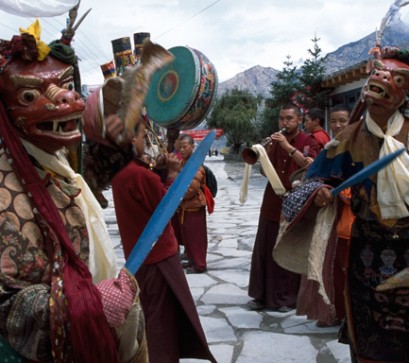
Chhayanath National Park lies within a culturally distinct Himalayan region where communities maintain traditions influenced by Tibetan heritage.
Local livelihoods are primarily based on:
Due to its remoteness, the area retains a strong connection between culture and landscape, with limited external influence compared to more accessible regions of Nepal.
Conservation Context and Significance
The creation of Chhayanath National Park reflects Nepal’s ongoing efforts to expand conservation coverage into ecologically sensitive and underrepresented regions.
Although detailed operational frameworks are still emerging, the designation is understood to support:
As with many newly established protected areas, its long-term impact will depend on management planning, community engagement, and ecological monitoring.
Tourism: A Future Prospect
At present, Chhayanath National Park is not an established tourism destination. There are no widely documented trekking routes, visitor infrastructure, or formal tourism circuits within the park.
However, its landscape characteristics suggest long-term potential for:
For now, it remains a conservation-first landscape, rather than a visitor-oriented destination.
Access and Remoteness
Reaching Mugu remains one of the more challenging journeys within Nepal. Travel typically involves a combination of air and overland routes, often subject to weather and logistical constraints.
This remoteness has contributed both to the preservation of the region’s ecosystems and to the limited availability of verified field data.
A Landscape Still Taking Shape
Chhayanath National Park represents a newly defined chapter in Nepal’s conservation story—one that is still evolving in both administrative and ecological terms.
While much about the park remains to be formally documented, its significance lies in its location: a remote, high-altitude environment with recognised ecological value and strong cultural continuity.
Rather than a fully established destination, Chhayanath is best understood as a protected landscape in transition, where conservation priorities currently outweigh tourism development.
PC: Heaven Himalaya, Tiger Encounter
Also Read

.jpg)
.jpg)