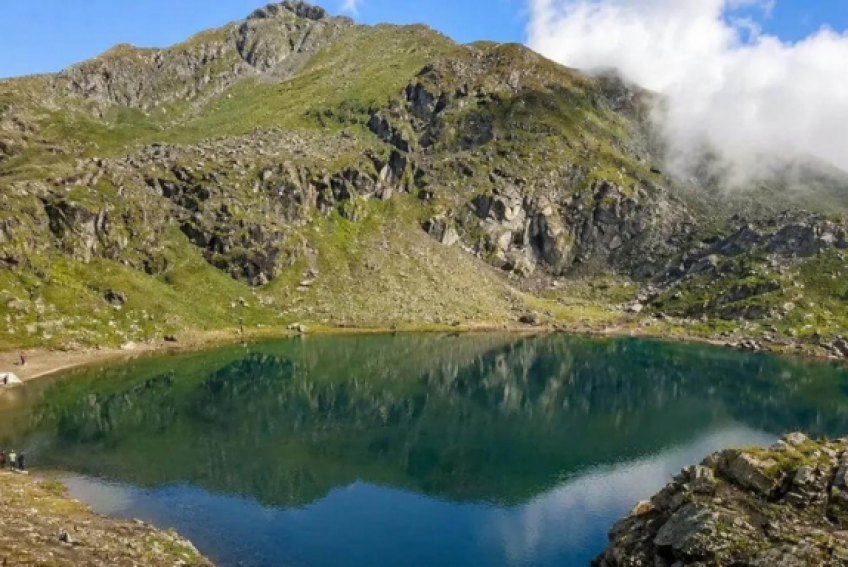
Nepal’s mountains are often associated with the busy trails of Everest and Annapurna, but far beyond these popular routes are places that remain quiet, remote and deeply connected to local culture. Budhinanda Lake in Bajura District is one of them. Hidden in the rugged landscape of Sudurpashchim Province, this sacred alpine lake offers a journey into a side of Nepal that relatively few travelers experience.
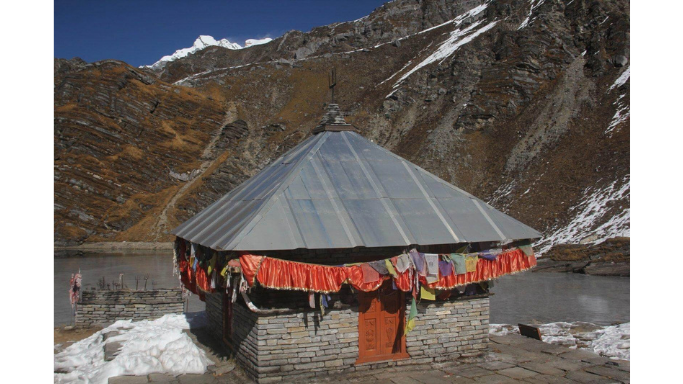
Budhinanda Lake is more than a beautiful high-altitude destination. It is also an important pilgrimage site connected with local Hindu traditions. Every year, devotees make the demanding journey through the mountains to reach this sacred area.
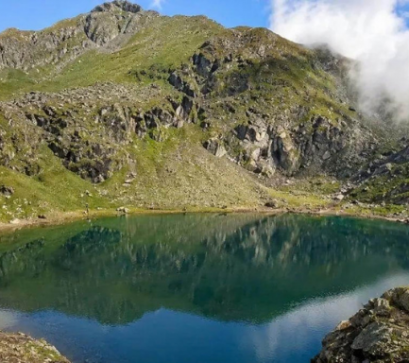
The lake lies at roughly 4,000 metres above sea level, while parts of the wider trekking route can reach around 4,600 metres. Surrounded by rocky slopes, open ridges, alpine landscapes and distant mountain views, Budhinanda feels far removed from Nepal’s more developed tourist destinations.
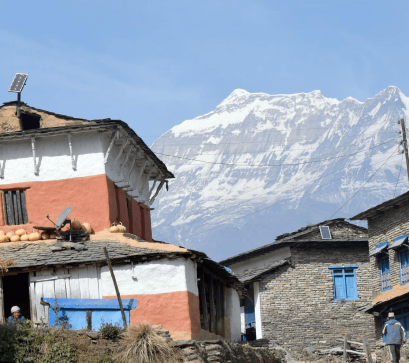
Reaching Budhinanda is not a simple sightseeing trip. Kolti, the administrative centre of Budhinanda Municipality, serves as an important gateway to the region and has Bajura Airport. From there, travelers must continue into increasingly remote mountain terrain.
Budhinanda is also connected with the wider Kolti–Budhinanda–Badimalika trail, creating an opportunity to experience several important natural and religious destinations of Bajura in one journey.
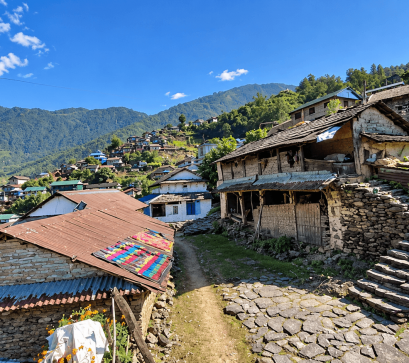
Unlike popular trekking regions filled with teahouses and lodges, the upper sections around Budhinanda have very limited tourist infrastructure. Camping equipment, food, warm clothing, water arrangements and other essential supplies need to be planned carefully.
Autumn, particularly September to November, is generally one of the better periods for trekking in the region because of clearer skies and more stable mountain weather. Spring, from March to May, can also be suitable.
Winter can bring severe cold and snow at higher elevations, while monsoon rain may make remote trails muddy and difficult.
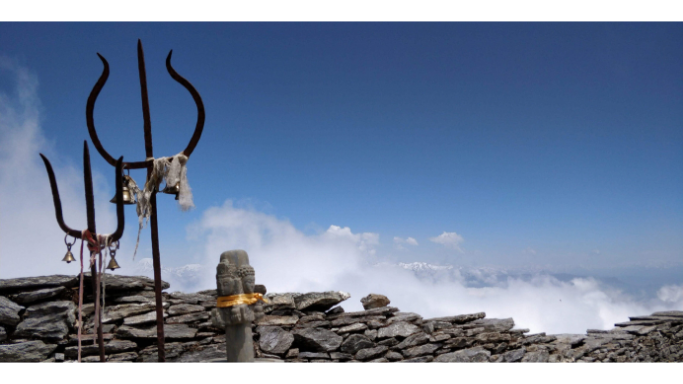
Budhinanda’s greatest attraction may be what it does not have: crowds, commercial trekking streets and heavily developed tourism infrastructure. Instead, visitors encounter remote landscapes, local communities, pilgrimage traditions and the silence of Nepal’s far-western mountains.
The journey, however, requires serious preparation. High altitude, unpredictable weather, limited communication and restricted emergency services make a knowledgeable local guide highly recommended.
For travelers willing to go beyond Nepal’s familiar trekking map, Budhinanda offers something increasingly rare a Himalayan journey where adventure, spirituality and isolation still exist together.
Perhaps Budhinanda does not need to become the next Everest or Annapurna. Its real value lies in remaining what it already is: a quiet sacred lake that reveals a lesser-seen side of Nepal.
.png)