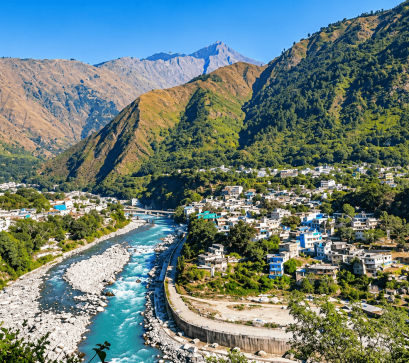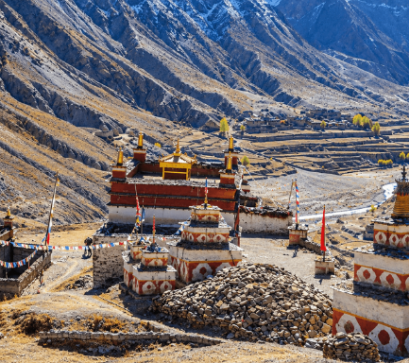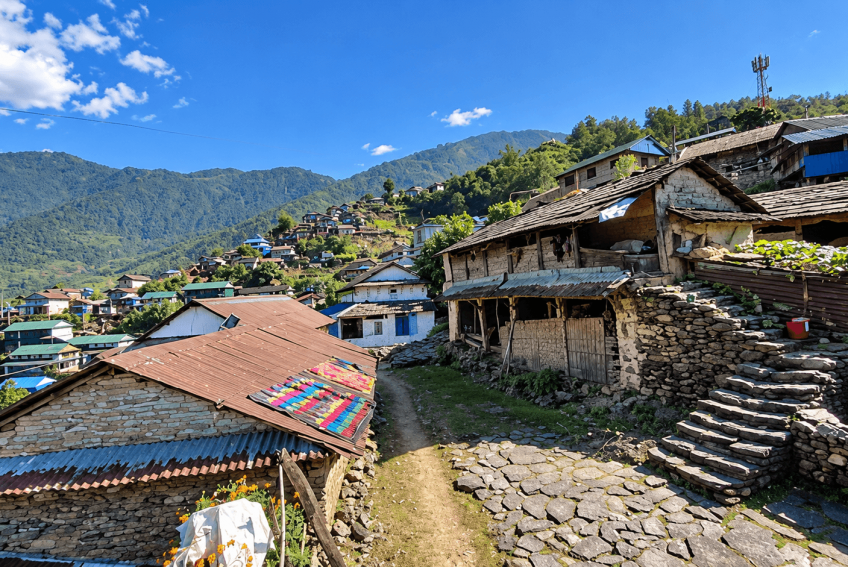
In the steep mid-hills of Lamjung District, terraced slopes tumble toward the Marsyangdi and Madi rivers, and villages cling to the hillsides as they have for centuries. This is the ancestral homeland of the Gurung (Tamu) people, and today its cliffside settlements are proving that cultural preservation and rural prosperity can walk hand in hand.
Bhujung, the region's largest and most compact Gurung village, sits at roughly 1,650 metres and packs over 500 slate-roofed houses along narrow cobblestone alleys. Often called a living museum of Gurung culture, it has welcomed homestay guests since 2007.
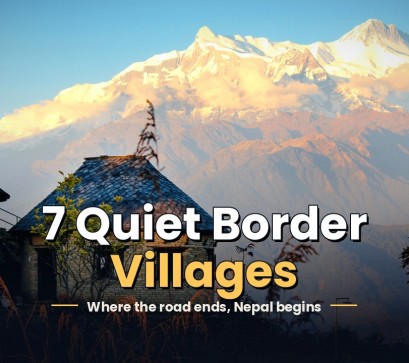
Higher up, at about 2,100 metres, Ghalegaun is recognised as one of South Asia's model rural tourism destinations, with sweeping views of Annapurna, Manaslu, Lamjung Himal and Himalchuli. Further afield, Siurung rests beneath the Manaslu range, overlooking the winding Marsyangdi.
Gurung villages once centred on the Rodhi, a communal house where young people gathered each evening to sing, dance and pass customs to the next generation. Foreign employment and changing lifestyles weakened the tradition, but its spirit of togetherness now underpins the hospitality of community homestays.
Rural tourism here began in Ghalegaun in 2000 and has since spread to Pasgaun, Ghanpokhara, Khasur, Ghermu and other villages. Mothers' groups lead the way, welcoming guests, cooking millet, buckwheat, wild ferns and mushrooms, and organising cultural programmes.
In Pasgaun, visitors can watch the Ghatu, Sorathi, Jhyaure and Krishna Charitra dances, accompanied by Sarangi music. Younger villagers are returning to work as guides, entrepreneurs and digital promoters, while dairy farmers, vegetable growers and artisans also share in the benefits.
The newly explored Gurung Heritage Trekking Trail offers a quieter alternative to the busy Annapurna Circuit. Mapped by the Gurung Tourism Entrepreneurs' Association of Nepal in June 2024, it is believed to follow the migration route of the Gurung people into Kaski, Lamjung and beyond.
Along the way lie the 1,200-year-old ruins of Kwholasothar, regarded as an early settlement site, and remnants of the old salt-trade route from Manang Bhot. Ambitious trekkers can continue to Dudh Pokhari, a sacred lake where pilgrims gather at Bhadau Purnima to wash away their sins.
Itineraries vary. The lower cultural route through Ghalegaun, Bhujung and Pasgaun reaches about 2,250 metres and suits first-time trekkers, while the higher route toward Dudh Pokhari climbs far higher and is more demanding, so check which version you are booking.
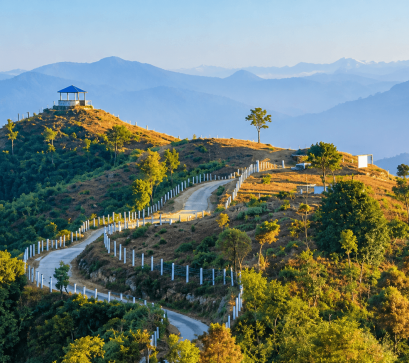
Most journeys start with a drive from Kathmandu or Pokhara to Besisahar, followed by a four-wheel-drive ride up rugged ridge roads. Expect simple stone-house homestays rather than hotels. Spring (March to May) brings rhododendron blooms, while autumn (September to November) offers the clearest mountain panoramas.
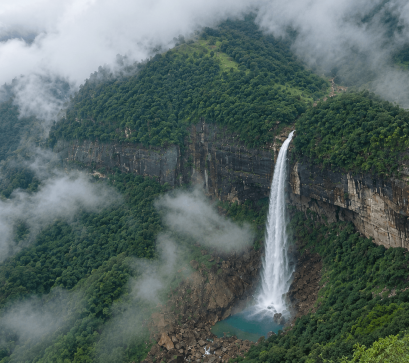
Challenges remain, including monsoon road blockages, limited infrastructure, labour shortages from overseas migration, and the pressure of modern life on tradition. Local governments are investing in trails, parks and waterfall conservation, and entrepreneurs are calling for stronger promotion and coordination.
Still, Lamjung's example is encouraging. By turning heritage into livelihood, the Gurung community has shown that the surest way to keep ancient footsteps alive is to invite others to walk beside them.
.png)