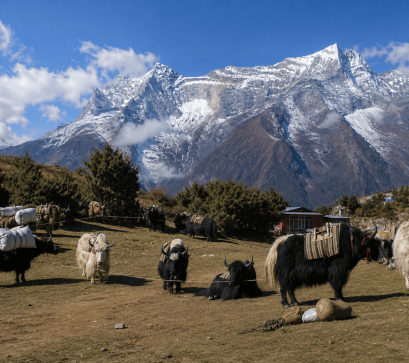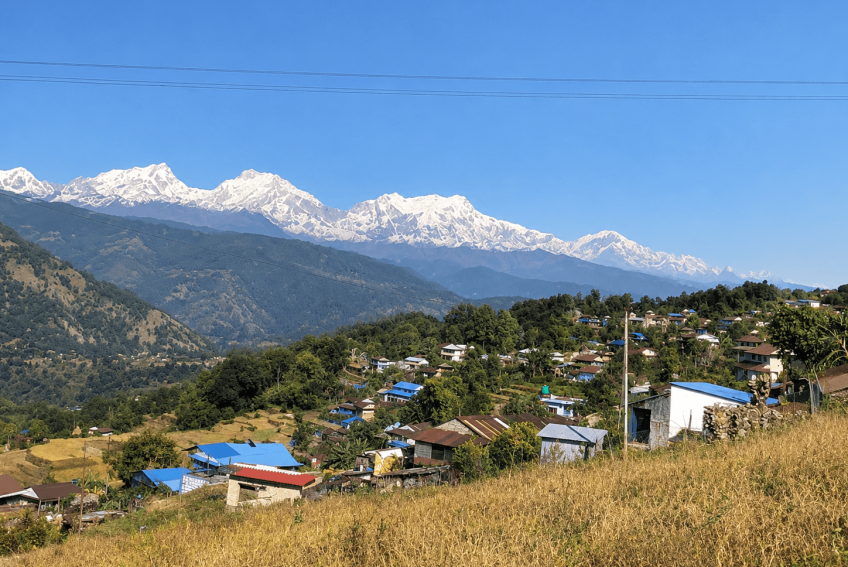
Most travellers heading to Rara Lake fly into Jumla and start walking without knowing much about the villages they'll pass through on day one. Patmara is one of them, and it's worth pausing at rather than rushing past. The village sits in Ward 7 of Patarasi Rural Municipality, Jumla District, Karnali Province, at roughly 3,088 metres above sea level. It lies along the shortest trail out of Khalanga Bazar, just past the smaller settlement of Urthuchautara, and forms part of the region often called Jumla's apple belt.
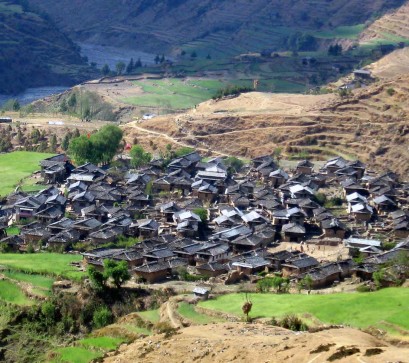
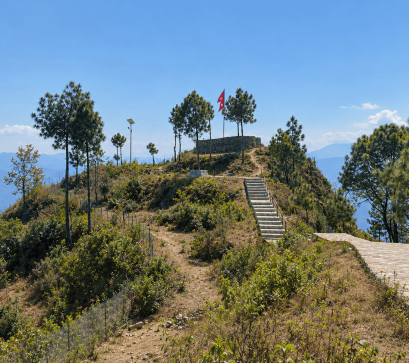
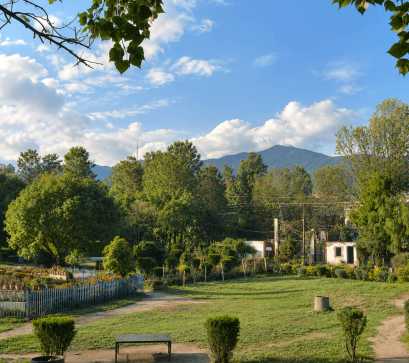
The climate here is monsoon-influenced subarctic heavy snow in winter, green and wet through the monsoon months. Pine forest covers the surrounding hills, and the village looks out toward the Patmara Bisauni ridge, which climbs to about 4,200 metres and gives wide views over the Jumla basin. Houses are built from stacked local stone with pine timber beams, a style suited to insulating against the cold winters at this elevation.
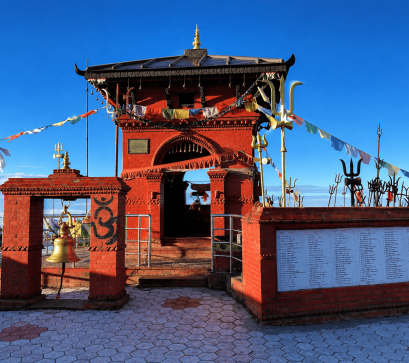
The people of Patmara are Pawai Matwali Chhetris, a subgroup of the old Khasa lineage. Their religious practice, known as the Masto tradition, blends animism, nature worship, and early forms of Hinduism. Local shamans called Dhamis lead rituals that can include goat or sheep sacrifice, alongside Deuda, a circle dance with call-and-response singing that's common across the Karnali region. In recent years, women in the village have also led a grassroots campaign, backed by the National Human Rights Commission, that ended child marriage locally and stopped the practice of banishing menstruating women to sheds.
Six women started Patmara's homestay programme, and it has since become the village's main income source outside farming. Participating households now earn between roughly Rs. 300,000 and Rs. 400,000 a year. The hosts studied hospitality on trips to Ghale Gaun and Pokhara and still hold monthly meetings to review guest feedback and hygiene standards. Meals are local and organic: cracked corn or millet porridge called Chyangkhla, buckwheat pancakes called Chilro, wild hemp-seed chutney, local beans, and Jumli Marshi red rice.
The walk from Khalanga to Patmara covers about 10 kilometres and takes four to five hours, climbing steadily from 2,480 metres to 3,088 metres through pine forest and past grazing pastures. June through October is the best window for trekking, when trails are clear. If you're going in July or August, expect slippery ground and leeches along the route. Bring layers for cold nights even in summer, and expect simple, home-cooked meals rather than restaurant menus the homestays run on what the village grows and raises itself.

.jpg)