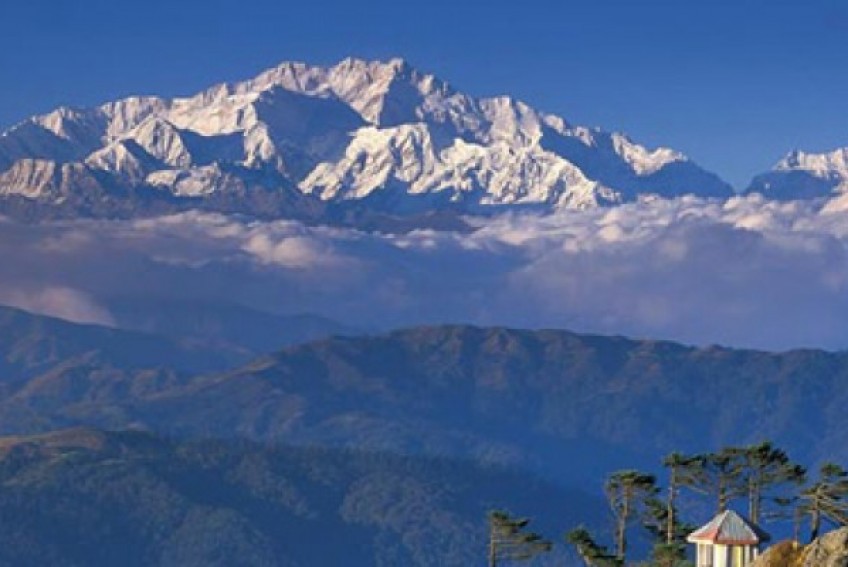
At 8,586 metres, Kanchenjunga is the third highest mountain on earth, and in the far east of Nepal, it is not treated as just another peak to be conquered. For the Limbu people of Taplejung, it is Sewalungma, roughly "the mountain we offer greeting to," and it is believed to be the home of Yuma Sammang, an ancestral guardian spirit still honored through festivals held across the year.
The reverence goes beyond ritual. When Kanchenjunga was first climbed in 1955 by Joe Brown and George Band, the pair stopped a few feet short of the true summit, out of respect for local belief that the peak itself should remain untouched. That gesture was not a one-time courtesy. Climbers attempting Kanchenjunga have continued the practice since, pausing just below the highest point rather than standing on it. It is one of the few places in high altitude mountaineering where a summit has been, by informal agreement, left alone for decades.
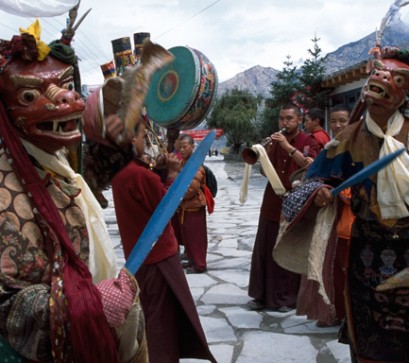
The belief is not confined to the Limbu community either. Across the border in Sikkim, where the mountain is equally sacred, it is known as the abode of Dzö-nga, a guardian deity honored each year during the Pang Lhabsol festival with masked dances and offerings. The Lepcha people of Sikkim have their own layer of myth, describing the mountain as the birthplace of the first man and woman, formed from its snow. Different communities, different names, but the same instinct: this mountain is not to be treated lightly.
What makes the Nepal side of the story distinct is how ordinary the reverence feels on the ground. In villages like Ghunsa and Lelep, inside the Kanchenjunga Conservation Area, the guardian spirit is not spoken of as ancient history. It shapes how locals relate to the mountain day to day, from which routes are considered acceptable to how offerings are made before treks and expeditions begin.
For travelers heading toward Kanchenjunga Base Camp or Pangpema, this context changes the walk. The trail is often sold on its remoteness and rhododendron forests, and rightly so, but the mountain at the end of it carries a weight that has nothing to do with altitude. Locals do not expect visitors to share the belief. They do, generally, expect it to be respected.
Kanchenjunga has kept its summit unclaimed by human feet for seventy years, not because no one could reach it, but because most who got close chose not to. Few mountains anywhere can claim that kind of restraint.

.jpg)
.jpg)