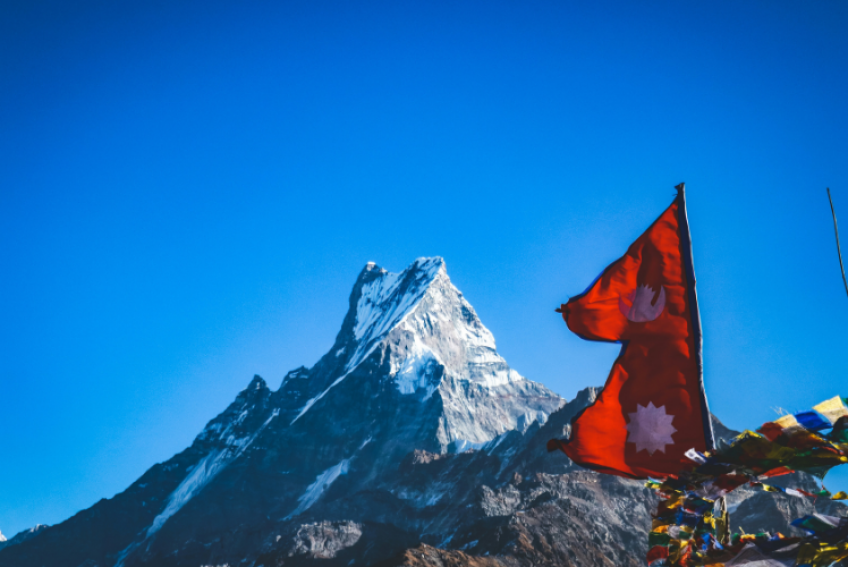
Nepal has long been a favourite among backpackers, offering everything from bustling heritage cities to some of the world’s most dramatic mountain landscapes. Yet travelling well here requires more than a sturdy rucksack. Preparation, patience and cultural sensitivity are just as important as your trekking boots.
Whether you are heading for the Annapurna trails or simply exploring Kathmandu’s historic streets, here are the essentials every traveller should know before backpacking Nepal.
Time Your Visit Carefully
For the best weather and clear Himalayan views, plan your trip during spring (March-May) or autumn (September-November). These peak seasons bring stable conditions, moderate temperatures and safer trekking routes.
The monsoon months (June-August) can make trails slippery and travel unpredictable, while winter often brings heavy snow to high passes.

Understand Nepal’s Visa Process
Most international travellers can obtain a visa on arrival at Tribhuvan International Airport in Kathmandu. Be sure to carry:
Completing the online arrival form in advance can significantly reduce airport queues. Always check the latest entry requirements before departure, as regulations may change.
Choose the Right Trekking Region
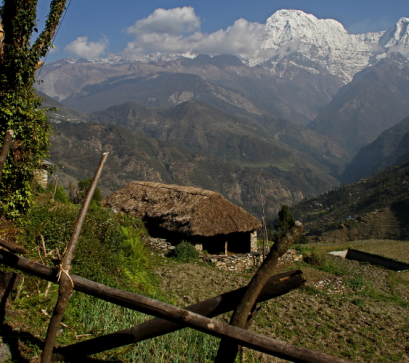
Nepal’s trekking options are vast, but two regions remain the most popular among first-time travellers:
Trekking permits are mandatory in Nepal, and travellers should ensure they arrange the correct documentation before setting out. Most routes require your passport details and an official protected-area entry permit, such as the Annapurna Conservation Area Permit (ACAP) or the Sagarmatha National Park Permit.

In the Everest region, trekkers also need a local municipality entry permit, while certain remote areas such as Upper Mustang, Manaslu or Dolpo require Restricted Area Permits, which are typically issued only through registered agencies and may require a licensed guide.
Because regulations and enforcement can vary by region, it is always wise to confirm the latest requirements in Kathmandu or through authorised trekking offices before beginning your journey.
Fuel Up the Nepali Way
No backpacking experience in Nepal is complete without dal bhat; the classic combination of rice, lentils and seasonal vegetables. Often accompanied by a source of protein, it is a nourishing, energy-rich meal that keeps trekkers fuelled and healthy on the trail.
Nutritious, affordable and widely available along trekking routes, it remains the backbone of mountain meals and a cultural experience in itself.
Expect Contrasts Between Kathmandu and Pokhara
Travelling between Kathmandu and Pokhara highlights Nepal’s remarkable diversity.
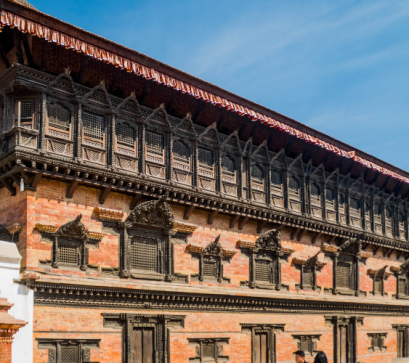
Kathmandu is vibrant and historic, alive with temple bells, markets and layered traditions. Pokhara, by contrast, offers lakeside calm, mountain reflections and a slower pace with Bali vibes often serving as the gateway to Annapurna treks.

Pack Smart, Not Heavy
In Nepal, mountain weather can shift within hours. Instead of bulky luggage, prioritise practical layers:
Packing light makes travel easier on buses, trails and domestic flights.
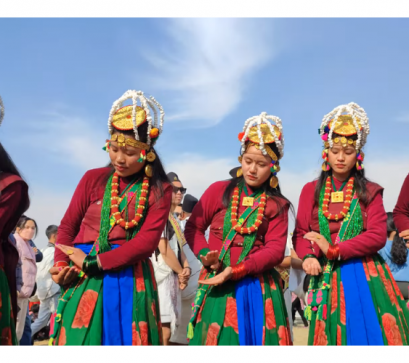
Practise Cultural Awareness
Nepal’s spiritual traditions shape daily life. Travellers are encouraged to:
Respectful behaviour fosters genuine connections and a more meaningful journey.

Build Flexibility Into Your Itinerary
Road travel in Nepal often takes longer than expected due to terrain and infrastructure. Avoid tight schedules and allow buffer days for weather delays, especially when flying to mountain airstrips or trekking at altitude.
A slower pace is both safer and far more rewarding.
Take Altitude Seriously
Altitude sickness can affect anyone, regardless of fitness. Ascend gradually, stay hydrated and include acclimatisation days in your trek.
If symptoms such as persistent headache, dizziness or nausea worsen, descend immediately and seek medical advice. No viewpoint is worth risking your health.
Travel Responsibly
Nepal’s natural beauty depends on mindful tourism. Support sustainable travel by:
Responsible choices help preserve the Himalayas for generations to come.

Backpacking Nepal is as much about awareness as adventure. With thoughtful preparation and respect for local culture and environment, travellers can experience the country not merely as visitors, but as participants in a landscape both powerful and profoundly human.
Also Read