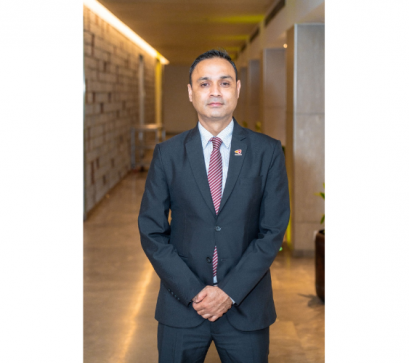
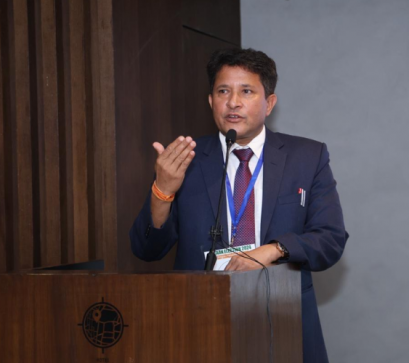
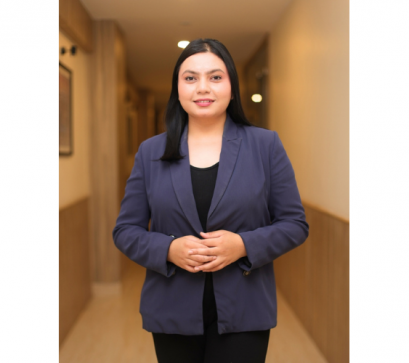
Manita Tandukar, Director of Sales at Hotel Crowne Imperial, brings with her several years of experience across sales, marketing, and operations within leading four-star and boutique hotels in Kathmandu and beyond the valley.Having worked across both leisure and corporate segments, she brings a well-rounded perspective and a unique approach to the hospitality business. Her approach is centred on driving revenue, strengthening brand positioning, and cultivating long-term relationships, while fostering a collaborative team culture focused on delivering exceptional guest experiences.
What first sparked your interest in hospitality, and did you always see yourself in sales?
What initially drew me to hospitality was its dynamic nature. It is an industry where you meet different people every day, experience diverse cultures, and no two days are ever the same.
I did not originally envision a career in sales; however, as I progressed, I realised how central sales is to hospitality. It is where guest expectations are shaped and experiences begin. The ability to understand a guest’s needs and translate them into meaningful experiences is what I find most engaging and rewarding.
How do you adapt your sales approach for different traveller segments: leisure, corporate, or MICE?
Each segment requires a tailored approach. For leisure travellers, it is about storytelling; helping them envision the experience, the culture, and the uniqueness of Nepal.
For corporate clients, the focus shifts to efficiency, reliability, and value, as they prioritise seamless and dependable service.
MICE, on the other hand, is centred on precision and coordination. It demands flexibility, detailed planning, and the ability to customise solutions.
Across all segments, the key lies in understanding the client’s needs and aligning Hotel Crowne Imperial's offerings accordingly.
What are your core priorities as a Director of Sales in driving business for the property?
My priorities are centred on sustainable growth and long-term positioning. I focus on diversifying markets to avoid overdependence on a few segments, while strengthening relationships with agents, DMCs, and corporate clients.
Revenue optimisation through strategic pricing and planning is equally important. I also ensure that our brand is accurately represented in the market and that what is promised in sales is consistently delivered by operations.
Building a strong team is another key priority: supporting colleagues, encouraging collaboration, and contributing to management decisions that serve the overall success of the hotel.

What has been a defining achievement in your career so far, and what did it teach you?
One of the defining moments in my career was successfully repositioning a property in international markets and securing strong group and corporate business, particularly during challenging times.
This experience taught me the importance of resilience, adaptability, and relationship-building. Most importantly, it reinforced that professionalism must always be guided by integrity and ethical practices; because, in the long run, trust is what truly builds a successful career.
What trends in traveller behaviour are most influencing your sales strategies today?
Today’s travellers are far more informed and experience-driven than before. They seek authentic, personalised experiences rather than simply a place to stay.
There is also a noticeable shift towards smaller groups and customised travel. Sustainability is becoming increasingly important, and the trend of combining business with leisure continues to grow.
At the same time, travellers are more price-conscious, expect flexibility, and often make quicker decisions influenced by digital platforms. This requires us to remain adaptable, creative, and consistently focused on delivering value.
Which destinations or experiences in Nepal do you see as untapped opportunities for attracting more guests?
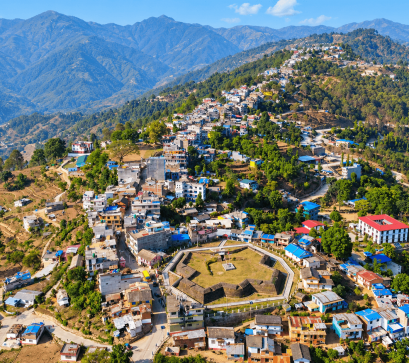
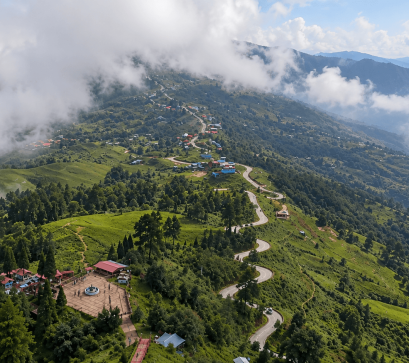
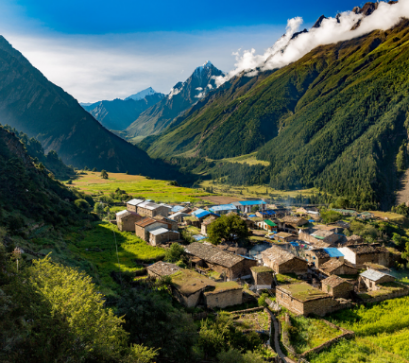
Nepal holds immense untapped potential beyond its traditional routes. Countryside properties with scenic landscapes are ideal for developing wellness tourism, such as holistic healing, Ayurveda, and recovery retreats which are gaining popularity among global travellers. The Nepal Tourism Board has also been prioritising this segment in its international strategy.
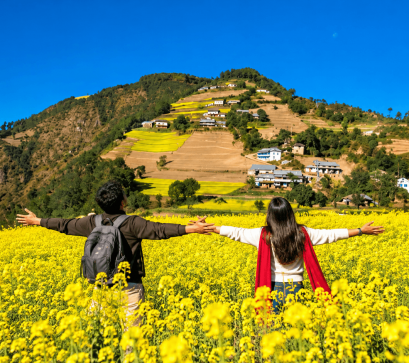
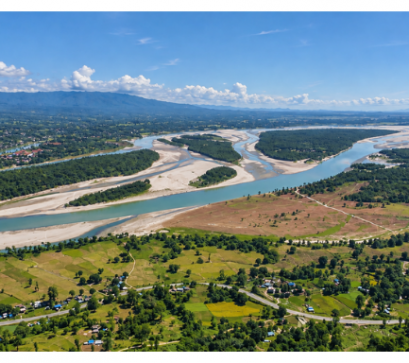
Beyond key destinations like Kathmandu, Pokhara, and Chitwan, there is significant scope to promote immersive and offbeat experiences: authentic cultural interactions, soft adventures, and nature-based activities that foster deeper connections for guests.
At the same time, niche and high-value products can elevate Nepal’s appeal. Experiences such as heli-charter flights with breakfast at Mount Everest, exclusive mountain lodges, private guided journeys, and bespoke cultural immersions can attract the premium segment.
Additionally, segments like gastronomy, destination weddings, MICE, sports tourism (trekking, trail running, mountain biking, adventure races), and special interest tours such as fishing, birdwatching, and wildlife offer strong opportunities to diversify the market.
With the right positioning, Nepal can present itself as a destination that seamlessly blends authenticity with exclusivity, offering far more than its current perception.
Also Read