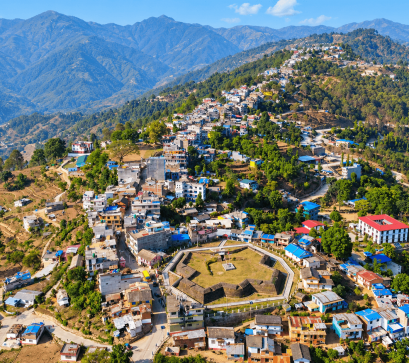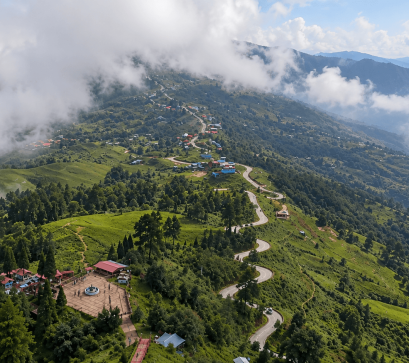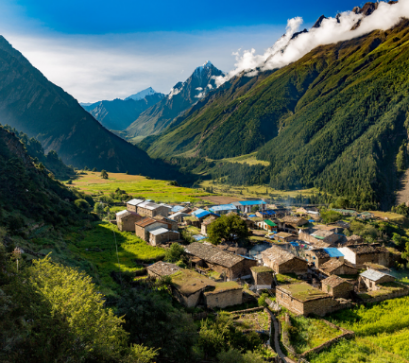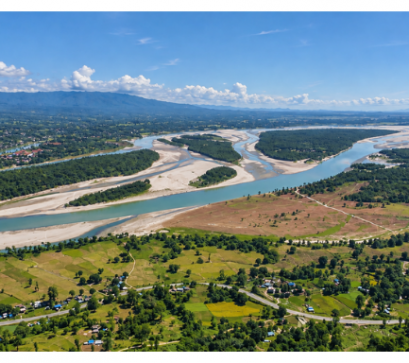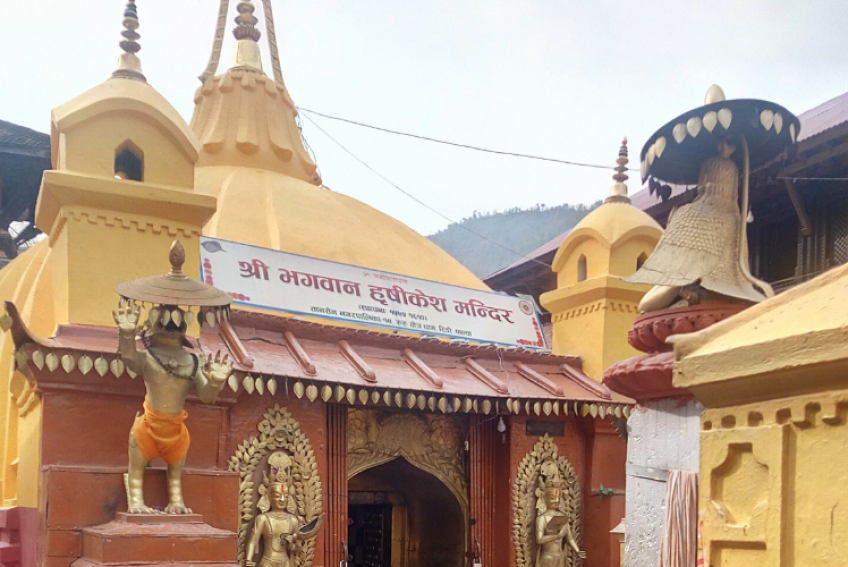
At the tri-junction of Gulmi, Palpa, and Syangja where the sacred waters of the Kali Gandaki meet the Ridi Khola, lies Ruru Kshetra, also known as Ridi. This ancient pilgrimage landscape is one of Nepal’s most important yet often overlooked spiritual destinations, deeply rooted in Hindu tradition and living cultural practice.
According to Nepal’s official tourism records, Ruru Kshetra is a Hindu pilgrimage site located at the confluence of the Kali Gandaki River and Ridi Khola, and is widely revered for its association with Lord Vishnu and the presence of saligram fossils.
Ridi’s spiritual identity is inseparable from its geography. The Kali Gandaki River is considered sacred in Hinduism, particularly due to its unique deposits of saligram: ammonite fossils worshipped as manifestations of Lord Vishnu.
At Ruru Kshetra, this river meets the Ridi Khola, forming a traditional pilgrimage confluence where devotees perform ritual bathing, especially during auspicious periods such as Maghe Sankranti.
Local belief holds that bathing here and worshipping at the Rishikesh Temple brings spiritual merit and is associated with the pursuit of moksha (liberation).
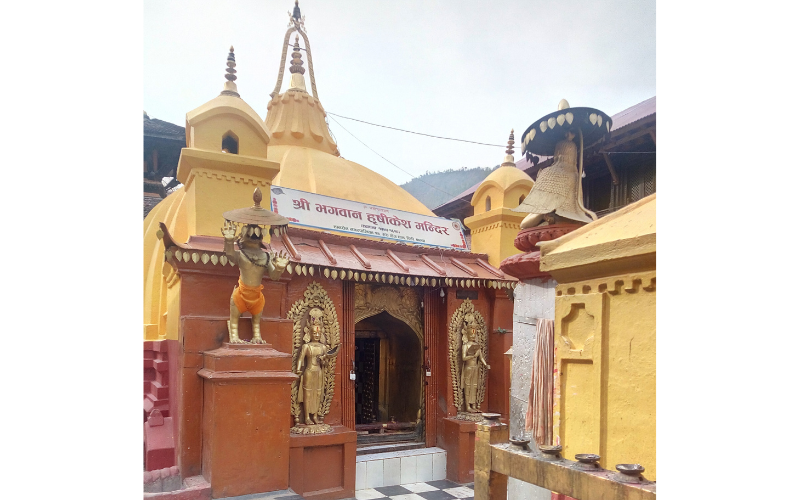
The spiritual centre of the complex is the Rishikesh Temple, a revered shrine dedicated to Lord Vishnu in his Rishikesh form.
The wider Rishikesh Complex of Ruru Kshetra contains architectural and cultural layers dating back to the medieval period and the Sen dynasty (15th-18th century).
Key features include:
The settlement of Ridi itself retains a strong medieval character and continues to function as a living pilgrimage town.
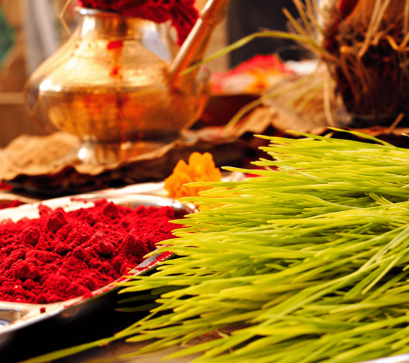
Ruru Kshetra remains an active centre of Hindu worship. Vedic rituals, daily pujas, and seasonal festivals continue without interruption, preserving centuries-old religious traditions.
The site is also known for the presence of female mendicants (Bhaktini Amas), who contribute to its unique spiritual fabric.
Every year during Maghe Sankranti, Ruru Kshetra hosts the Ridi Mela, a major pilgrimage gathering that draws thousands of devotees.
Pilgrims take ritual baths in the Kali Gandaki River and worship at the Rishikesh Temple, a practice widely believed to bring spiritual purification and merit.
The fair transforms Ridi into a vibrant spiritual hub, blending devotion, trade, and community gathering.
One of Ruru Kshetra’s defining spiritual elements is the presence of saligram fossils found along the Kali Gandaki River.
These naturally occurring ammonite fossils are regarded as sacred symbols of Lord Vishnu and are widely worshipped in Hindu households across Nepal and beyond.
The Rishikesh Complex of Ruru Kshetra was included in Nepal’s UNESCO World Heritage Tentative List in 2008 as a cultural site of outstanding value.
The listing highlights:
Unlike heavily commercialised pilgrimage centres, Ruru Kshetra retains a quiet, deeply rooted spiritual atmosphere. It remains both a ritual space and a lived cultural landscape, where faith, geography, and tradition continue to coexist.
For pilgrims and culturally curious travellers alike, Ruru Kshetra offers an experience shaped not by spectacle, but by continuity.
PC: Wikimedia Commons
Also Read